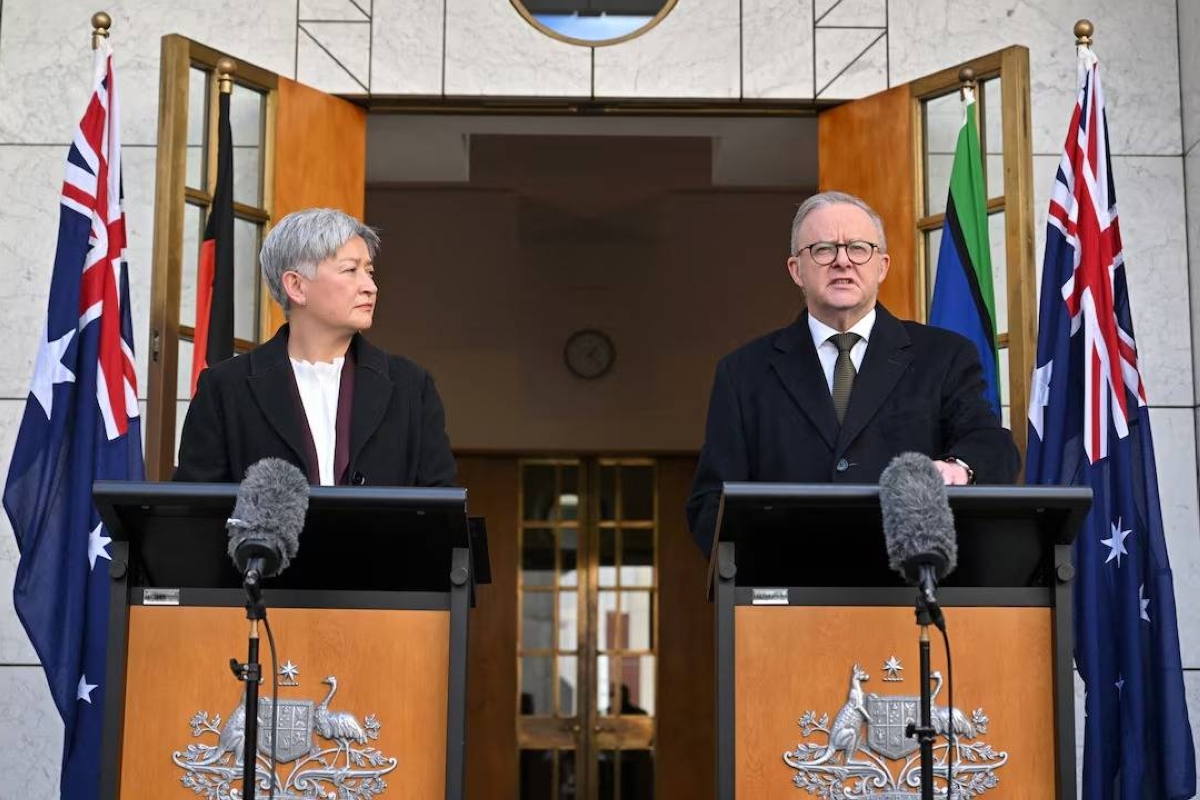
أعلن رئيس الوزراء الأسترالي أنطوني ألبانيزي، اليوم (الإثنين)، أن أستراليا ستعترف بدولة فلسطين خلال الدورة الثمانين للجمعية العامة للأمم المتحدة في سبتمبر، في خطوة تزيد الضغط الدولي على إسرائيل، عقب قرارات مماثلة من فرنسا وبريطانيا وكندا.
وأكد ألبانيزي، أن هذا الاعتراف يهدف إلى دعم حل الدولتين، لتحقيق وقف إطلاق النار في غزة، والإفراج عن الرهائن.
وأوضح أن القرار مشروط بالتزامات السلطة الفلسطينية باستبعاد حركة حماس من أي دور في الحكومة المستقبلية، إلى جانب إصلاحات في الحوكمة وإجراء انتخابات عامة.
وخلال مؤتمر صحفي في كانبرا، شدد ألبانيزي، على أن حل الدولتين هو الأمل الأكبر لإنهاء دائرة العنف في الشرق الأوسط ومعالجة الصراع والمعاناة في غزة.
وأشار إلى محادثاته مع رئيس الوزراء الإسرائيلي بنيامين نتنياهو، مؤكدًا ضرورة حل سياسي بدلاً من العمليات العسكرية.
كما انتقد ألبانيزي، خطة إسرائيل للسيطرة العسكرية على غزة، وتوسع المستوطنات غير القانونية، معتبرًا أن سياسات نتنياهو تقوض فرص حل الدولتين.
وأضاف ألبانيزي، في بيان مشترك مع وزيرة الخارجية بيني وونغ، أن التزامات السلطة الفلسطينية ومطالب جامعة الدول العربية بإنهاء سيطرة حماس على غزة تتيح فرصة لعزل الحركة.
من جانبها، أبلغت وونغ وزير الخارجية الأمريكي ماركو روبيو بقرار أستراليا، بينما انتقد الرئيس الأمريكي دونالد ترمب قرار كندا المماثل، واعتبر روبيو خطوة فرنسا «متهورة».
في المقابل، عبر السفير الإسرائيلي في أستراليا، أمير ميمون، عن استيائه من القرار عبر منصة «إكس»، معتبرًا أنه يقوض أمن إسرائيل ومفاوضات الرهائن.
وأشارت وزير الدولة للشؤون الخارجية في السلطة الفلسطينية، فارسين أغابيكيان، إلى أن القرار يمنح الفلسطينيين أملًا للمستقبل، مع التأكيد على أولوية وقف إطلاق النار.
وأكد أستاذ القانون الدولي في الجامعة الوطنية الأسترالية، دونالد روثويل، أن الاعتراف سيسمح لأستراليا بتقديم مساعدات مباشرة لغزة ودعم إعادة إعمارها.
Australian Prime Minister Anthony Albanese announced today (Monday) that Australia will recognize the State of Palestine during the 80th session of the United Nations General Assembly in September, in a move that increases international pressure on Israel, following similar decisions from France, Britain, and Canada.
Albanese confirmed that this recognition aims to support the two-state solution, to achieve a ceasefire in Gaza and the release of hostages.
He clarified that the decision is conditional on the Palestinian Authority's commitments to exclude Hamas from any role in the future government, alongside governance reforms and holding general elections.
During a press conference in Canberra, Albanese emphasized that the two-state solution is the greatest hope for ending the cycle of violence in the Middle East and addressing the conflict and suffering in Gaza.
He referred to his talks with Israeli Prime Minister Benjamin Netanyahu, stressing the need for a political solution instead of military operations.
Albanese also criticized Israel's plan for military control over Gaza and the expansion of illegal settlements, considering that Netanyahu's policies undermine the chances for a two-state solution.
He added, in a joint statement with Foreign Minister Penny Wong, that the commitments of the Palestinian Authority and the demands of the Arab League to end Hamas's control over Gaza provide an opportunity to isolate the movement.
For her part, Wong informed U.S. Secretary of State Marco Rubio of Australia's decision, while U.S. President Donald Trump criticized Canada's similar decision, and Rubio deemed France's step "reckless."
In contrast, the Israeli ambassador to Australia, Amir Maimon, expressed his discontent with the decision via the "X" platform, considering it undermines Israel's security and hostage negotiations.
The Palestinian Authority's Minister of State for Foreign Affairs, Farseen Agabikian, noted that the decision gives Palestinians hope for the future, emphasizing the priority of a ceasefire.
Donald Rothwell, a professor of international law at the Australian National University, confirmed that recognition will allow Australia to provide direct aid to Gaza and support its reconstruction.