


احتجت وزارة الخارجية العراقية رسميا، اليوم (الأحد)، على تصريحات السفير البريطاني عرفان صديق بشأن «الحشد الشعبي». وعبرت عن اعتراضها الشديد على التصريحات الإعلامية الأخيرة، مؤكدة أنها «مخالفة للأعراف الدبلوماسية وتدخل في الشؤون الداخلية للدولة».
وأعرب وكيل الوزارة للشؤون الثنائية السفير محمد حسين بحر العلوم، في اجتماع استدعى خلاله السفير البريطاني، وعُقد في مقر الوزارة، عن قلق الحكومة العميق، مؤكدا أن «هذا السلوك يتعارض مع أحكام اتفاقية فيينا للعلاقات الدبلوماسية، التي تُلزم الممثلين الدبلوماسيين باحترام قوانين وأنظمة الدولة المضيفة، والامتناع عن التدخل في شؤونها الداخلية».
ودعت حكومة العراق سفير المملكة المتحدة إلى الامتناع عن أي تصريحات أو أنشطة أخرى من هذا النوع، والتصرف بما يدعم العلاقات الودية بين البلدين.
وأكدت وزارة الخارجية في بيان صحفي، ضرورة الالتزام بالتواصل الدبلوماسي البنّاء، والتمسك بمبادئ الاحترام المتبادل وعدم التدخل في الشؤون الداخلية للدول.
وكان السفير البريطاني لدى العراق قال في لقاء تلفزيوني، الجمعة، إن الحاجة إلى الحشد الشعبي في العراق انتفت.
ودعا رئيس الحكومة العراقية محمد شياع السوداني، أمس (السبت)، العشائر العراقية إلى دعم سلطة القانون والقضاء العراقي، مشددا على أنه لا مبرر لوجود أي سلاح خارج المؤسسات الحكومية.
وقال خلال حضوره تجمعا عشائريا إن «العراق يمر بتحديات داخلية وخارجية وهناك جملة مبادئ ننطلق منها وأن حصر السلاح بيد الدولة، وسلطة القانون، ومكافحة الفساد، مفردات تنادي بها المرجعية، والفعاليات الاجتماعية والشعبية، ولا يمكن التهاون في تطبيقها، ولا تعني استهداف جهة أو فرد».
وأضاف السوداني أنه في ظل الوضع المستقر، لا مبرر لوجود أي سلاح خارج المؤسسات، وعلى العشائر دعم سلطة القانون والقضاء وأن الحكومة التزمت في برنامجها بإنهاء وجود التحالف الدولي لمحاربة داعش، بعد انتفاء الحاجة له.
وشدد على أن الحكومة العراقية لا تريد للعراق أن تكون له قطيعة مع دول المنطقة والعالم، ولا يمكن وضع العراق في عزلة.
وشدد على دور المجتمع وفي مقدمته العشائر العراقية في صياغة الحياة السياسية، وإنهاء المعاناة وهذا الدور يتنامى في كل المجالات الاجتماعية، والتصدي للنزاعات العشائرية والمظاهر الخطيرة مثل المخدرات.
العراق: تصريحات سفير بريطانيا تدخل في الشأن الداخلي
10 أغسطس 2025 - 14:39
|
آخر تحديث 10 أغسطس 2025 - 14:39
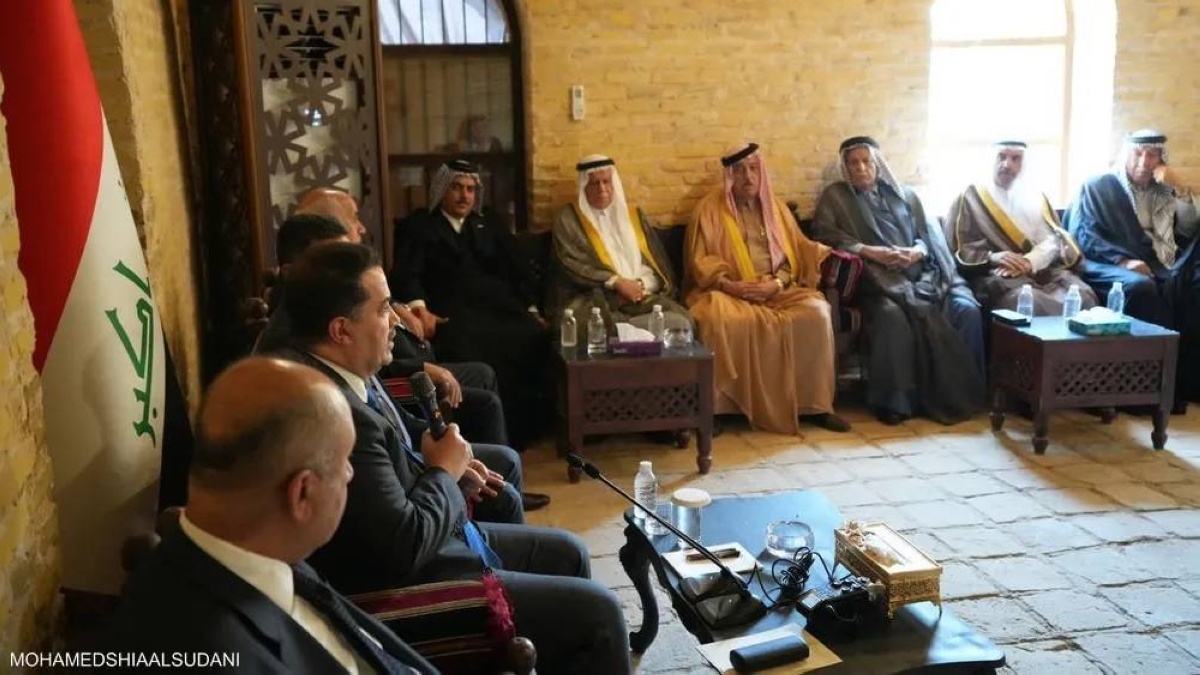
السوداني خلال لقاء العشائر


تابع قناة عكاظ على الواتساب
«عكاظ» (بغداد) okaz_online@
The Iraqi Ministry of Foreign Affairs officially protested today (Sunday) against the statements made by British Ambassador Irfan Siddiq regarding the "Popular Mobilization Forces." It expressed its strong objection to the recent media statements, emphasizing that they "violate diplomatic norms and interfere in the internal affairs of the state."
The Undersecretary for Bilateral Affairs, Ambassador Muhammad Hussein Bahr al-Uloom, expressed the government's deep concern during a meeting in which the British ambassador was summoned, held at the ministry's headquarters, confirming that "this behavior contradicts the provisions of the Vienna Convention on Diplomatic Relations, which obliges diplomatic representatives to respect the laws and regulations of the host country and to refrain from interfering in its internal affairs."
The Iraqi government called on the UK ambassador to refrain from any such statements or activities and to act in a manner that supports friendly relations between the two countries.
The Ministry of Foreign Affairs emphasized in a press statement the necessity of adhering to constructive diplomatic communication and upholding the principles of mutual respect and non-interference in the internal affairs of states.
The British ambassador to Iraq stated in a television interview on Friday that the need for the Popular Mobilization Forces in Iraq has ceased.
Iraqi Prime Minister Muhammad Shia' al-Sudani called on Iraqi tribes yesterday (Saturday) to support the rule of law and the Iraqi judiciary, stressing that there is no justification for the existence of any weapons outside government institutions.
During his attendance at a tribal gathering, he stated that "Iraq is facing internal and external challenges, and there are a set of principles from which we start, including the restriction of weapons to the hands of the state, the rule of law, and combating corruption, which are demands echoed by the religious authority and social and popular activities, and we cannot be lenient in applying them, nor do they mean targeting any entity or individual."
Al-Sudani added that in light of the stable situation, there is no justification for the existence of any weapons outside institutions, and that tribes should support the rule of law and the judiciary, noting that the government has committed in its program to ending the presence of the international coalition to fight ISIS after the need for it has ceased.
He emphasized that the Iraqi government does not want Iraq to have a rupture with the countries of the region and the world, and that Iraq cannot be placed in isolation.
He stressed the role of society, especially Iraqi tribes, in shaping political life and ending suffering, and that this role is growing in all social fields, addressing tribal disputes and dangerous phenomena such as drugs.
The Undersecretary for Bilateral Affairs, Ambassador Muhammad Hussein Bahr al-Uloom, expressed the government's deep concern during a meeting in which the British ambassador was summoned, held at the ministry's headquarters, confirming that "this behavior contradicts the provisions of the Vienna Convention on Diplomatic Relations, which obliges diplomatic representatives to respect the laws and regulations of the host country and to refrain from interfering in its internal affairs."
The Iraqi government called on the UK ambassador to refrain from any such statements or activities and to act in a manner that supports friendly relations between the two countries.
The Ministry of Foreign Affairs emphasized in a press statement the necessity of adhering to constructive diplomatic communication and upholding the principles of mutual respect and non-interference in the internal affairs of states.
The British ambassador to Iraq stated in a television interview on Friday that the need for the Popular Mobilization Forces in Iraq has ceased.
Iraqi Prime Minister Muhammad Shia' al-Sudani called on Iraqi tribes yesterday (Saturday) to support the rule of law and the Iraqi judiciary, stressing that there is no justification for the existence of any weapons outside government institutions.
During his attendance at a tribal gathering, he stated that "Iraq is facing internal and external challenges, and there are a set of principles from which we start, including the restriction of weapons to the hands of the state, the rule of law, and combating corruption, which are demands echoed by the religious authority and social and popular activities, and we cannot be lenient in applying them, nor do they mean targeting any entity or individual."
Al-Sudani added that in light of the stable situation, there is no justification for the existence of any weapons outside institutions, and that tribes should support the rule of law and the judiciary, noting that the government has committed in its program to ending the presence of the international coalition to fight ISIS after the need for it has ceased.
He emphasized that the Iraqi government does not want Iraq to have a rupture with the countries of the region and the world, and that Iraq cannot be placed in isolation.
He stressed the role of society, especially Iraqi tribes, in shaping political life and ending suffering, and that this role is growing in all social fields, addressing tribal disputes and dangerous phenomena such as drugs.


