أكد رئيس مجلس النواب العراقي محمود المشهداني عدمَ صحة الجلسة التي عقدها البرلمان الثلاثاء الماضي والتي شهدت اشتباكات بالأيدي ولكمات بين أعضاء المجلس، وتطايرت خلالها «الأحذية» و«قناني الماء».
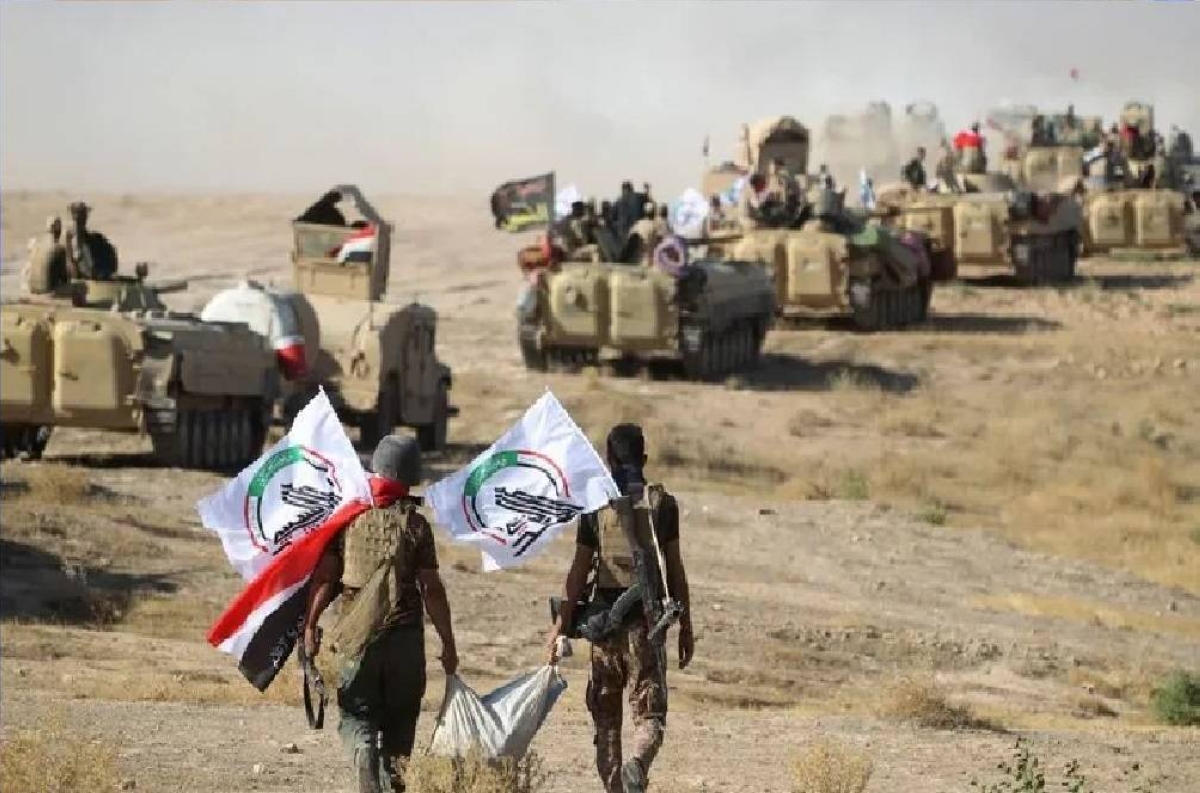
وتُشير عدة أسباب يرجح أنها دفعت إلى «عراك النواب» ورفع الجلسة بعد أقل من نصف ساعة في مقدمتها أزمة «قانون الحشد الشعبي» الذي تتسع جبهة معارضيه.
وقد يفتح التصويت على قانون الحشد الذي حذّرت واشنطن من تشريعه أكثر من مرة الباب أمام اتهامات لجماعات مسلحة بالاستحواذ على «مبالغ هائلة» وفق وصف سياسيين نتيجة التلاعب بأملاك وأراض داخل العراق.
مسؤول عراقي كبير أكد لـ«عكاظ» أن الولايات المتحدة الأمريكية باتت تربط مواقفها تجاه العراق بقانون الحشد الشعبي وأنها ما زالت حتى الآن تواصل الضغط لعدم إقرار قانون الحشد، لافتا إلى أن واشنطن قد تلجأ للأسلوب الذي اتبعته مع لبنان عندما منحت بيروت مهلة زمنية محددة لسحب سلاح حزب الله.
وفي تطورات الموقف أظهرت مسودة موازنة الإنفاق العسكري الأمريكية لعام 2026 تحولا لافتا في طبيعة الدعم الأمريكي للعراق مع توقف واشنطن عن تمويل رواتب قوات البيشمركة وتقليص المساعدات الموجهة لوزارة الدفاع العراقية في مقابل مضاعفة تمويل جهاز مكافحة الإرهاب، في خطوة توصف بأنها إعادة تموضع إستراتيجي لمصالح الولايات المتحدة في العراق.
وبحسب موازنة الإنفاق العسكري الأمريكي فإن الإدارة الأمريكية قررت التوقف عن تمويل رواتب البيشمركة، وتحويل هذه المسؤولية إلى الحكومة العراقية بدءاً من العام القادم بعد سنوات من تغطية واشنطن لهذا الملف المالي الحيوي لإقليم كردستان.
وأظهرت المسودة أن المساعدات المخصصة لوزارة الدفاع العراقية ستتراجع بشكل كبير، من 189.1 مليون دولار في موازنة عام 2025 إلى 48.2 مليون دولار فقط في موازنة عام 2026.
في المقابل، حصل جهاز مكافحة الإرهاب العراقي على زيادة لافتة في تمويله، إذ ارتفع الدعم الأمريكي له من 9.3 مليون دولار إلى 63.6 مليون دولار.
وأوضحت الشبكة أن هذا التحول يعكس رؤية أمريكية للجهاز كـ«قوة موازنة» في مواجهة الفصائل المسلحة المرتبطة بإيران داخل العراق.
وأكد التقرير أن هذا التحول في تمويل المؤسسات الأمنية العراقية يأتي في سياق تغييرات أوسع في السياسة الأمريكية تجاه التوازنات الأمنية في العراق وسورية، إذ لا يزال الدعم مستمراً لقوات «قسد» الكردية في سورية، التي تنظر إليها واشنطن كشريك في مواجهة تنظيم داعش الإرهابي.
في موازاة هذه التحولات المالية، عبرت الخارجية الأمريكية عن قلقها العميق من المساعي التشريعية في البرلمان العراقي لإقرار قانون جديد لتنظيم هيئة الحشد الشعبي، محذرة من أن هذه الخطوة قد تغيّر طبيعة الشراكة الأمنية الثنائية بين بغداد وواشنطن.
وقالت المتحدثة باسم وزارة الخارجية، تامي بروس، إن الولايات المتحدة تعارض بشدة تشريع قانون يعزز من نفوذ جماعات مرتبطة بإيران ومنظمات إرهابية، في إشارة إلى بعض فصائل الحشد الشعبي.
ويأتي هذا التصريح في وقت يشهد المكون الشيعي خلافاً واسعاً بشأن الصيغة النهائية للقانون، ولا سيما في ما يتعلق بهيكلة الحشد وقيادته، وسط معلومات عن تأجيل طرحه للتصويت في البرلمان بسبب عدم التوصل إلى توافق سياسي.
وكان معهد واشنطن لسياسات الشرق الأدنى قد نشر تقريراً حذر فيه من تمرير هذا القانون، معتبراً أنه يمنح غطاءً قانونياً لفصائل تعمل خارج سلطة الدولة، ويدعو الإدارة الأمريكية إلى اتخاذ إجراءات مضادة، تشمل فرض عقوبات على قادة الحشد الذين لهم ارتباطات خارجية، وتجميد بعض أوجه التعاون الأمني مع بغداد.
وسبق أن عبرت السفارة الأمريكية في بغداد عن هذا القلق أيضاً، مؤكدة أن تشريعاً من هذا النوع سيرسخ التدخلات الخارجية ويقوض سيادة العراق.
ووفق بيان رسمي، فقد أبلغ وزير الخارجية الأمريكي ماركو روبيو رئيس الوزراء محمد شياع السوداني خلال اتصال هاتفي أن تمرير مشروع قانون الحشد بصيغته الحالية يمثل تهديداً مباشراً للسيادة العراقية، كونه يمنح شرعية لجماعات مدرجة على قوائم الإرهاب الأمريكية.
في سياق متصل، سلّطت واشنطن الضوء على التصعيد الأخير الذي شهدته مناطق في إقليم كردستان، مع تنفيذ أكثر من 20 هجوما بطائرات مسيرة استهدفت مواقع للطاقة، ما أعاد إلى الواجهة ملف الفصائل المسلحة المدعومة خارجياً ودور الحكومة العراقية في كبح جماحها.
وأشار تقرير أمريكي إلى أن سلطات الإقليم حملت الحشد الشعبي مسؤولية هذه الهجمات، وهو تقييم تؤيده واشنطن، التي طالبت بغداد مراراً بمحاسبة الجناة ومنع تكرار هذه الهجمات، في ظل تزايد الإحباط داخل الكونغرس من استمرار تمويل الحكومة العراقية رغم ما يعتبره مشرّعون أمريكيون تواطؤا ضمنياً مع المليشيات.
وأوضح التقرير أن العراق يمتلك القدرة على لجم هذه الجماعات لكنه يمتنع عن ذلك، في حين تتخذ طهران ووكلاؤها من هذه الفصائل أداة للضغط على واشنطن وحلفائها داخل العراق، خصوصاً في كوردستان، حيث تتمركز القوات الأمريكية ضمن عملية العزم الصلب لمواجهة فلول تنظيم داعش.
وأضاف أن عضو الكونغرس الجمهوري جو ويلسون دعا إلى حظر التمويل عن الحكومة العراقية، متهما إياها باستخدام أموال دافعي الضرائب الأمريكيين لدعم مليشيات إرهابية تهاجم حلفاء واشنطن.
وأشار إلى أن المليشيات لم تعد قادرة على السيطرة الكاملة، وأن المجتمع الدولي والولايات المتحدة، تنظر إلى هذا الظرف كفرصة لإعادة رسم قواعد الشراكة الأمنية مع العراق، على أساس احترام سيادة الدولة واحتكار السلاح الرسمي.
The President of the Iraqi Parliament, Mahmoud al-Mashhadani, confirmed the inaccuracy of the session held by the parliament last Tuesday, which witnessed physical altercations and punches between council members, during which "shoes" and "water bottles" were thrown.
Several reasons are believed to have led to the "fight among the deputies" and the suspension of the session after less than half an hour, primarily the crisis surrounding the "Popular Mobilization Law," which is facing increasing opposition.
The vote on the Popular Mobilization Law, which Washington has warned against legislating multiple times, may open the door to accusations against armed groups for seizing "huge amounts" of money, as described by politicians, due to manipulation of properties and lands within Iraq.
A senior Iraqi official confirmed to "Okaz" that the United States has begun to link its positions towards Iraq with the Popular Mobilization Law and that it continues to pressure against the approval of the law, noting that Washington may resort to the approach it took with Lebanon when it granted Beirut a specific timeframe to disarm Hezbollah.
In developments regarding the situation, a draft of the U.S. military spending budget for 2026 showed a significant shift in the nature of American support for Iraq, with Washington halting funding for the salaries of the Peshmerga forces and reducing aid directed to the Iraqi Ministry of Defense, in contrast to doubling funding for the Counter-Terrorism Service, in a move described as a strategic repositioning of U.S. interests in Iraq.
According to the U.S. military spending budget, the U.S. administration has decided to stop funding the salaries of the Peshmerga and transfer this responsibility to the Iraqi government starting next year, after years of Washington covering this vital financial file for the Kurdistan Region.
The draft indicated that aid allocated to the Iraqi Ministry of Defense would significantly decrease, from $189.1 million in the 2025 budget to only $48.2 million in the 2026 budget.
In contrast, the Iraqi Counter-Terrorism Service received a notable increase in its funding, with American support rising from $9.3 million to $63.6 million.
The network clarified that this shift reflects an American view of the service as a "counterbalance" against armed factions linked to Iran within Iraq.
The report confirmed that this shift in funding for Iraqi security institutions comes in the context of broader changes in U.S. policy regarding security balances in Iraq and Syria, as support continues for the Kurdish "SDF" forces in Syria, which Washington views as a partner in combating the ISIS terrorist organization.
Alongside these financial transformations, the U.S. State Department expressed deep concern over legislative efforts in the Iraqi parliament to pass a new law regulating the Popular Mobilization Authority, warning that this step could alter the nature of the bilateral security partnership between Baghdad and Washington.
State Department spokesperson, Tami Bruce, stated that the United States strongly opposes legislation that enhances the influence of groups linked to Iran and terrorist organizations, referring to some factions of the Popular Mobilization.
This statement comes at a time when the Shiite component is experiencing significant disagreements regarding the final form of the law, particularly concerning the structure and leadership of the Popular Mobilization, amid reports of a delay in bringing it to a vote in parliament due to a lack of political consensus.
The Washington Institute for Near East Policy previously published a report warning against passing this law, considering it provides legal cover for factions operating outside the authority of the state, and calls on the U.S. administration to take countermeasures, including imposing sanctions on Popular Mobilization leaders with external connections and freezing some aspects of security cooperation with Baghdad.
The U.S. embassy in Baghdad has also expressed this concern, emphasizing that legislation of this kind would entrench external interventions and undermine Iraq's sovereignty.
According to an official statement, U.S. Secretary of State Marco Rubio informed Prime Minister Mohammed Shia' al-Sudani during a phone call that passing the Popular Mobilization Law in its current form represents a direct threat to Iraqi sovereignty, as it legitimizes groups listed on U.S. terrorism lists.
In a related context, Washington highlighted the recent escalation witnessed in areas of the Kurdistan Region, with over 20 drone attacks targeting energy sites, bringing back to the forefront the issue of externally supported armed factions and the role of the Iraqi government in curbing them.
An American report indicated that the authorities in the region held the Popular Mobilization responsible for these attacks, a assessment supported by Washington, which has repeatedly urged Baghdad to hold the perpetrators accountable and prevent the recurrence of these attacks, amid growing frustration within Congress over the continued funding of the Iraqi government despite what American lawmakers consider implicit collusion with the militias.
The report clarified that Iraq has the capacity to rein in these groups but refrains from doing so, while Tehran and its proxies use these factions as a tool to pressure Washington and its allies within Iraq, especially in Kurdistan, where U.S. forces are stationed as part of Operation Inherent Resolve to combat remnants of ISIS.
Additionally, Republican Congressman Joe Wilson called for a funding ban on the Iraqi government, accusing it of using American taxpayers' money to support terrorist militias that attack Washington's allies.
He noted that the militias are no longer able to maintain complete control, and that the international community and the United States view this situation as an opportunity to redraw the rules of security partnership with Iraq, based on respect for state sovereignty and the monopoly of official weapons.