كان يمكن أن يكون اتفاق العاشر من مارس الماضي بين الرئيس السوري أحمد الشرع وقائد قوات سورية الديموقراطية مظلوم عبدي اتفاقاً ناجحاً، خصوصاً أنه جاء في لحظة أحداث الساحل والزخم الإعلامي العاصف الذي أحاط بالحكومة السورية، وشكل هذا الاتفاق نقلة نوعية على طريق التفاهمات السياسية في سورية، في مرحلة كان العالم يختبر تحركات ونوايا الإدارة الجديدة بقيادة الشرع.
لكن تطورات الأحداث أخذت هذا الاتفاق إلى مناطق سياسية وعرة، وكانت الضربة الأولى له الاتفاق بعد الإعلان الدستوري في 19 مارس، وبعد ساعات من الإعلان الدستوري شنت الإدارة الذاتية في شمال شرق سورية هجوماً على هذا الإعلان واعتبرت أنه «مماثل لسياسات حزب البعث السابقة»، ويفتقر إلى معايير التنوع الوطني السوري، ويخلو من بصمة أبناء سورية من الأكراد والعرب والسريان والآشوريين وغيرهم من المكونات.
كان هذا الإعلان الضربة الأولى في مسار التفاهم بين دمشق وشمال شرق سورية، والنقطة الفاصلة في مسار التفاوض، إذ بدت قسد «الإدارة الذاتية» أكثر حذراً وأكثر براغماتية في التعامل مع دمشق، والأكثر من ذلك أن ما يقال إنه تيار ضد مظلوم عبدي بدأ يحمّل عبدي المندفع إلى دمشق مسؤولية هذا الاتفاق، وهذا بدوره أضعف عبدي داخل الدوائر الكردية الصغيرة.
بعد أيام وفي نهاية شهر مارس، أعلن الرئيس الشرع تشكيل الحكومة السورية الجديدة وخلت من أي منصب للإدارة الذاتية، في خطوة جعلت مظلوم عبدي ضعيفاً في تبريره للتفاهم مع دمشق وزادت من الفجوة بين دمشق والإدارة الذاتية، وبدت الساحة الكردية أكثر تخوفاً من مواقف دمشق وأكثر قلقاً على مكتسبات الكرد، على الرغم من أن قيادة دمشق القديمة لا تمتلك ذات الرؤية الإقصائية للكرد وهي تتعامل بشكل سياسي لا قومجي مع المسألة الكردية، لكن هذا دفع الكرد وبدعم من الزعيم مسعود برزاني إلى توحيد الموقف الكردي، وبالفعل للمرة الأولى منذ العام 2011 يلتقي المجلس الوطني الكردي المقرب من الحزب الديمقراطي الكردستاني (أربيل)، مع حزب الاتحاد الديموقراطي في سورية الذي يدير إلى حد كبير مناطق شمال شرق سورية، وتشكل تحالف أو اندماج كردي على مستوى واسع في جبهة يمكن أن تسمى جبهة مواجهة دمشق سياسياً، وهذا أضاف خطوة تباعد جديدة بين الطرفين نتيجة غياب التفاهم والحوار على الرغم من تشكيل لجان مشتركة بين الطرفين، إلا أن هذه اللجان سرعان ما اختفت دون معرفة الأسباب.
أمام هذا المشهد المعقد وضيق الأفق بالتوصل إلى تفاهمات نهائية وذوبان اتفاق 10 مارس من الناحية العملية، دخل المبعوث الأمريكي توم براك على خط الأزمة وظهر بتصريحات عالية المستوى لدفع «قسد» إلى الاندماج في الحكومة السورية، بقوله على الأكراد أن ينسوا الفيدرالية، فبدأ الوسيط مزعجاً لـ«قسد»، إلى درجة أن البعض قال إن الوسيط الأمريكي يوبخ «قسد» ويدعم دمشق. وعلى الرغم من ذلك انصاعت «قسد» للوسيط الأمريكي وعقدت جولة مفاوضات في 9 يوليو، كانت ضربة أخرى للعلاقة بين دمشق و«قسد»، لم تخرج بأية نتيجة، بل خرج المبعوث الأمريكي غاضباً من سلوك «قسد» ومطالبها المتكررة باللامركزية السياسية وفي أدنى حد اللامركزية الإدارية، هنا تعثر الطريق من القامشلي إلى دمشق وبدت الأمور خارج السيطرة ولا بد من تغيير المسار، فكانت باريس هي الطريق إلى دمشق.
• حوار جديد بين الطرفين
اتجه وزير الخارجية السورية إلى العاصمة الفرنسية نهاية الشهر الماضي من أجل وضع اللمسات لحوار جديد بين القيادة السورية (دمشق) و«قسد» على أن يبحث في جوهر الخلافات المتمثلة بدمج قوات «قسد» والحديث عن إدارة الموارد الاقتصادية والحوكمة والدخول في حديث اللامركزية الإدارية، ونتيجة لأن الراعي الفرنسي أكثر ميولاً إلى «قسد»، قرر حضور الراعي الأمريكي والفرنسي معاً ومنح المزيد من الوقت للطرفين اللذين ما زالا على ضفتين متباعدتين، لكن طريق باريس بكل تأكيد زاد من التباعد بين الطرفين وأصبحت سورية في مربع خارجي، أصبحت القضية خارج الجغرافية السورية، وهذا ما اعتاد عليه السوريون طوال عقد ونصف من الحرب التي رفعت من مستوى الاحتياج إلى الخارج.
كان يمكن أن يقدم كل طرف قليلاً من التنازلات برعاية «سورية- سورية»، إذ اعتقدت «قسد» أن باريس قد تكون أكثر حرصاً من دمشق على حماية المكتسبات الكردية.
طالما كانت المسألة شاغلة للعراقيين والسوريين على حد سواء، تعامل صدام حسين مع هذا الملف ببراغماتية تارة وبعنف تارة أخرى لكنها كانت القضية الأكثر حضوراً على مائدة القصر الجمهوري في بغداد، ولأن بغداد «القومية» كانت تتجاهل هذه القضية انفجرت بشدة بعد الغزو الأمريكي للعراق وتأسيس إقليم كردستان العراق، وحتى هذه اللحظة تعض بغداد الأصابع على هذه المكافأة الأمريكية لما للعلاقة المتوترة بين بغداد والإقليم على المستوى السيادي والاقتصادي.
في سورية، اعتمد حافظ الأسد سياسة الإنكار التام للقضية الكردية، الأسد الذي يعتقد أنه من أصول كردية، كان يرى سورية عربية بالكامل، وأن الحالة الكردية حالة غريبة على المجتمع السوري.
• وحدة سورية الشعار العريض للحكومة الجديدة
لم تعتمد حكومة الشرع أي أساس عرقي في المقاربة مع شمال شرق سورية، وكان هذا واضحاً في الإعلان الدستوري الذي اعتبر الشعب الكردي مكوناً أصيلاً من النسيج السوري، على عكس الحقبة البعثية التي طمست أية معالم كردية، وحتى الحقوق الثقافية الكردية حاضرة في الإعلان الدستوري، إلا أن العقدة في المكاسب السياسية والحوكمة التي تريد «قسد» تعميمها على كل سورية، وهي اللامركزية السياسية، وهو نموذج يصيب دمشق بالجنون مجرد سماعه على الإعلام، ذلك أن وحدة سورية هي الشعار العريض للحكومة السورية الجديدة.
هذا التباعد المتزايد بين الطرفين في ظل الأحداث التي تمر بها سورية بدءاً من أحداث السويداء وتداعياتها على الأوضاع السياسية والأمنية، إلى تباطؤ رفع العقوبات ووطأة الوضع الاقتصادي وهشاشة الدولة من الناحية الأمنية، له تداعيات خطيرة على مستقبل سورية، لذلك لا بد من إيجاد آليات سياسية أكثر فاعلية، ونوع من المساومة (التنازلات)، حتى تعبر سورية إلى ضفة لا حرب فيها ولا خصام، دون ذلك ما من شيء يدعو للتفاؤل على هذا المسار ما دامت المواقف على حالها دون مقاربة وطنية صادقة وعادلة.
قصة الخلاف بين الحكومة و«قسد»..
الطريق إلى دمشق يمر من باريس
6 أغسطس 2025 - 23:37
|
آخر تحديث 6 أغسطس 2025 - 23:37
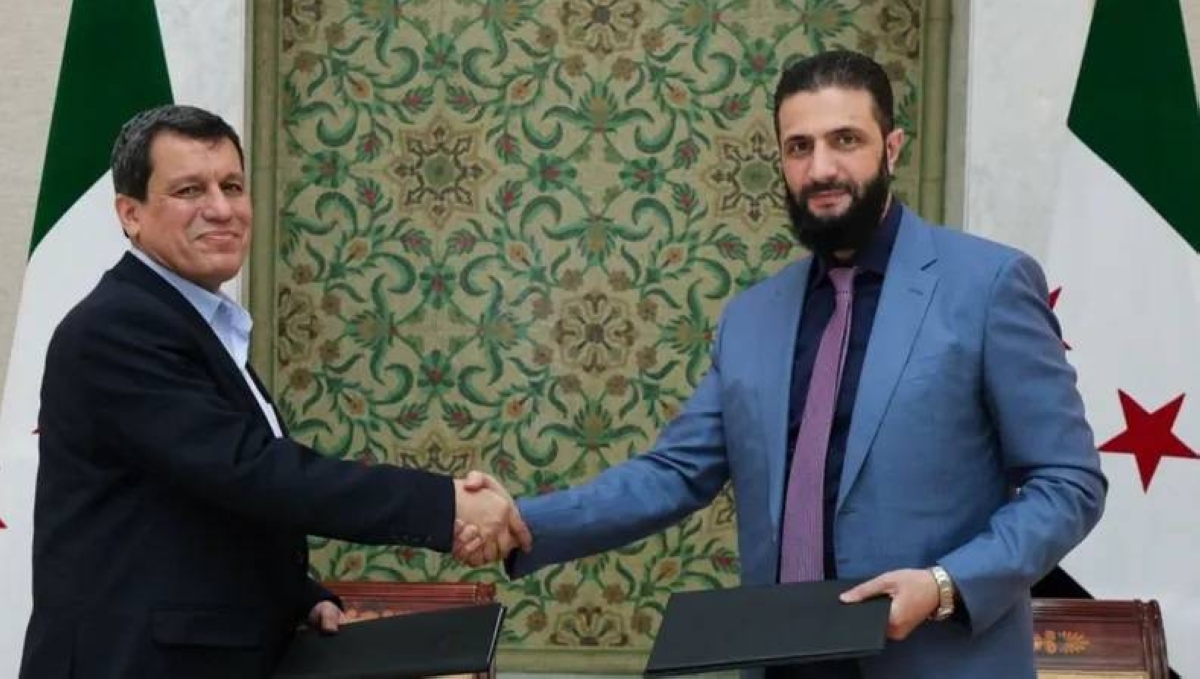
الشرع ومظلوم


تابع قناة عكاظ على الواتساب
عبدالله الغضوي (دمشق) GhadawiAbdullah@
The agreement of March 10 between Syrian President Ahmad al-Shara and the commander of the Syrian Democratic Forces, Mazloum Abdi, could have been a successful one, especially as it came at a moment of coastal events and the stormy media momentum surrounding the Syrian government. This agreement represented a qualitative leap towards political understandings in Syria, at a time when the world was testing the movements and intentions of the new administration led by al-Shara.
However, developments took this agreement into politically rugged areas, and the first blow to it came after the constitutional announcement on March 19. Just hours after the constitutional announcement, the Autonomous Administration in northeastern Syria launched an attack on this announcement, considering it "similar to the previous policies of the Baath Party," lacking the standards of Syrian national diversity and devoid of the imprint of the Syrian people, including Kurds, Arabs, Assyrians, and others from various components.
This announcement was the first blow to the understanding between Damascus and northeastern Syria and marked a turning point in the negotiation process. The Syrian Democratic Forces (SDF) appeared more cautious and pragmatic in dealing with Damascus. Moreover, what is said to be a current against Mazloum Abdi began to hold him responsible for this agreement, which in turn weakened Abdi within the small Kurdish circles.
Days later, at the end of March, President al-Shara announced the formation of a new Syrian government, which did not include any position for the Autonomous Administration. This step made it difficult for Mazloum Abdi to justify the understanding with Damascus and widened the gap between Damascus and the Autonomous Administration. The Kurdish arena appeared more fearful of Damascus's positions and more concerned about Kurdish gains, despite the fact that the old leadership in Damascus does not possess the same exclusionary vision towards the Kurds and deals politically rather than nationally with the Kurdish issue. However, this prompted the Kurds, with the support of leader Masoud Barzani, to unify the Kurdish stance. Indeed, for the first time since 2011, the Kurdish National Council, close to the Kurdistan Democratic Party (Erbil), met with the Democratic Union Party in Syria, which largely manages northeastern Syria. This formed a Kurdish alliance or merger on a broad level in a front that could be called a political confrontation front against Damascus, adding a new step of distance between the two parties due to the absence of understanding and dialogue, despite the formation of joint committees between them. However, these committees soon disappeared without knowing the reasons.
In light of this complex scene and the narrow horizon for reaching final understandings and the practical dissolution of the March 10 agreement, U.S. envoy Tom Barak entered the crisis and appeared with high-level statements to push the SDF to integrate into the Syrian government, stating that the Kurds should forget federalism. The mediator began to annoy the SDF to the extent that some said the U.S. mediator was reprimanding the SDF and supporting Damascus. Nevertheless, the SDF complied with the U.S. mediator and held a round of negotiations on July 9, which was another blow to the relationship between Damascus and the SDF, yielding no results. The U.S. envoy left angry at the SDF's behavior and their repeated demands for political decentralization, at the very least administrative decentralization. Here, the road from Qamishli to Damascus stumbled, and things appeared out of control, necessitating a change in course, with Paris being the route to Damascus.
• A new dialogue between the two parties
The Syrian foreign minister headed to the French capital at the end of last month to finalize a new dialogue between the Syrian leadership (Damascus) and the SDF, aiming to address the core disagreements represented by the integration of SDF forces and discussions about managing economic resources, governance, and entering into talks about administrative decentralization. Because the French sponsor is more inclined towards the SDF, it was decided that both the American and French sponsors would attend together and grant more time to the two parties, who are still on two distant banks. However, the Paris route undoubtedly increased the distance between the two parties, and Syria became in an external square, with the issue moving outside the Syrian geography, which is something Syrians have become accustomed to over a decade and a half of war that has heightened the need for external support.
Each party could have made some concessions under the auspices of "Syrian-Syrian" dialogue, as the SDF believed that Paris might be more keen than Damascus to protect Kurdish gains.
The issue has long occupied both Iraqis and Syrians alike. Saddam Hussein dealt with this file with pragmatism at times and with violence at others, but it was the most present issue on the table of the presidential palace in Baghdad. Because Baghdad's "nationalism" ignored this issue, it exploded severely after the American invasion of Iraq and the establishment of the Kurdistan Region of Iraq. To this day, Baghdad bites its fingers over this American reward due to the tense relationship between Baghdad and the region at the sovereign and economic levels.
In Syria, Hafez al-Assad adopted a policy of complete denial of the Kurdish issue. Assad, who believes he has Kurdish origins, saw Syria as entirely Arab and considered the Kurdish situation as strange to Syrian society.
• The broad slogan of Syrian unity for the new government
The al-Shara government did not adopt any ethnic basis in its approach to northeastern Syria, which was clear in the constitutional announcement that considered the Kurdish people an integral component of the Syrian fabric, in contrast to the Baathist era that erased any Kurdish features. Even Kurdish cultural rights are present in the constitutional announcement. However, the knot lies in the political gains and governance that the SDF wants to generalize across all of Syria, which is political decentralization—a model that drives Damascus crazy just hearing it in the media, as Syrian unity is the broad slogan of the new Syrian government.
This increasing distance between the two parties in light of the events unfolding in Syria, starting from the events in Sweida and their repercussions on the political and security situation, to the slow lifting of sanctions, the burden of the economic situation, and the fragility of the state from a security perspective, has serious implications for the future of Syria. Therefore, it is essential to find more effective political mechanisms and a kind of compromise (concessions) to help Syria cross to a shore without war or conflict. Without that, there is nothing to encourage optimism on this path as long as the positions remain unchanged without a sincere and just national approach.
However, developments took this agreement into politically rugged areas, and the first blow to it came after the constitutional announcement on March 19. Just hours after the constitutional announcement, the Autonomous Administration in northeastern Syria launched an attack on this announcement, considering it "similar to the previous policies of the Baath Party," lacking the standards of Syrian national diversity and devoid of the imprint of the Syrian people, including Kurds, Arabs, Assyrians, and others from various components.
This announcement was the first blow to the understanding between Damascus and northeastern Syria and marked a turning point in the negotiation process. The Syrian Democratic Forces (SDF) appeared more cautious and pragmatic in dealing with Damascus. Moreover, what is said to be a current against Mazloum Abdi began to hold him responsible for this agreement, which in turn weakened Abdi within the small Kurdish circles.
Days later, at the end of March, President al-Shara announced the formation of a new Syrian government, which did not include any position for the Autonomous Administration. This step made it difficult for Mazloum Abdi to justify the understanding with Damascus and widened the gap between Damascus and the Autonomous Administration. The Kurdish arena appeared more fearful of Damascus's positions and more concerned about Kurdish gains, despite the fact that the old leadership in Damascus does not possess the same exclusionary vision towards the Kurds and deals politically rather than nationally with the Kurdish issue. However, this prompted the Kurds, with the support of leader Masoud Barzani, to unify the Kurdish stance. Indeed, for the first time since 2011, the Kurdish National Council, close to the Kurdistan Democratic Party (Erbil), met with the Democratic Union Party in Syria, which largely manages northeastern Syria. This formed a Kurdish alliance or merger on a broad level in a front that could be called a political confrontation front against Damascus, adding a new step of distance between the two parties due to the absence of understanding and dialogue, despite the formation of joint committees between them. However, these committees soon disappeared without knowing the reasons.
In light of this complex scene and the narrow horizon for reaching final understandings and the practical dissolution of the March 10 agreement, U.S. envoy Tom Barak entered the crisis and appeared with high-level statements to push the SDF to integrate into the Syrian government, stating that the Kurds should forget federalism. The mediator began to annoy the SDF to the extent that some said the U.S. mediator was reprimanding the SDF and supporting Damascus. Nevertheless, the SDF complied with the U.S. mediator and held a round of negotiations on July 9, which was another blow to the relationship between Damascus and the SDF, yielding no results. The U.S. envoy left angry at the SDF's behavior and their repeated demands for political decentralization, at the very least administrative decentralization. Here, the road from Qamishli to Damascus stumbled, and things appeared out of control, necessitating a change in course, with Paris being the route to Damascus.
• A new dialogue between the two parties
The Syrian foreign minister headed to the French capital at the end of last month to finalize a new dialogue between the Syrian leadership (Damascus) and the SDF, aiming to address the core disagreements represented by the integration of SDF forces and discussions about managing economic resources, governance, and entering into talks about administrative decentralization. Because the French sponsor is more inclined towards the SDF, it was decided that both the American and French sponsors would attend together and grant more time to the two parties, who are still on two distant banks. However, the Paris route undoubtedly increased the distance between the two parties, and Syria became in an external square, with the issue moving outside the Syrian geography, which is something Syrians have become accustomed to over a decade and a half of war that has heightened the need for external support.
Each party could have made some concessions under the auspices of "Syrian-Syrian" dialogue, as the SDF believed that Paris might be more keen than Damascus to protect Kurdish gains.
The issue has long occupied both Iraqis and Syrians alike. Saddam Hussein dealt with this file with pragmatism at times and with violence at others, but it was the most present issue on the table of the presidential palace in Baghdad. Because Baghdad's "nationalism" ignored this issue, it exploded severely after the American invasion of Iraq and the establishment of the Kurdistan Region of Iraq. To this day, Baghdad bites its fingers over this American reward due to the tense relationship between Baghdad and the region at the sovereign and economic levels.
In Syria, Hafez al-Assad adopted a policy of complete denial of the Kurdish issue. Assad, who believes he has Kurdish origins, saw Syria as entirely Arab and considered the Kurdish situation as strange to Syrian society.
• The broad slogan of Syrian unity for the new government
The al-Shara government did not adopt any ethnic basis in its approach to northeastern Syria, which was clear in the constitutional announcement that considered the Kurdish people an integral component of the Syrian fabric, in contrast to the Baathist era that erased any Kurdish features. Even Kurdish cultural rights are present in the constitutional announcement. However, the knot lies in the political gains and governance that the SDF wants to generalize across all of Syria, which is political decentralization—a model that drives Damascus crazy just hearing it in the media, as Syrian unity is the broad slogan of the new Syrian government.
This increasing distance between the two parties in light of the events unfolding in Syria, starting from the events in Sweida and their repercussions on the political and security situation, to the slow lifting of sanctions, the burden of the economic situation, and the fragility of the state from a security perspective, has serious implications for the future of Syria. Therefore, it is essential to find more effective political mechanisms and a kind of compromise (concessions) to help Syria cross to a shore without war or conflict. Without that, there is nothing to encourage optimism on this path as long as the positions remain unchanged without a sincere and just national approach.