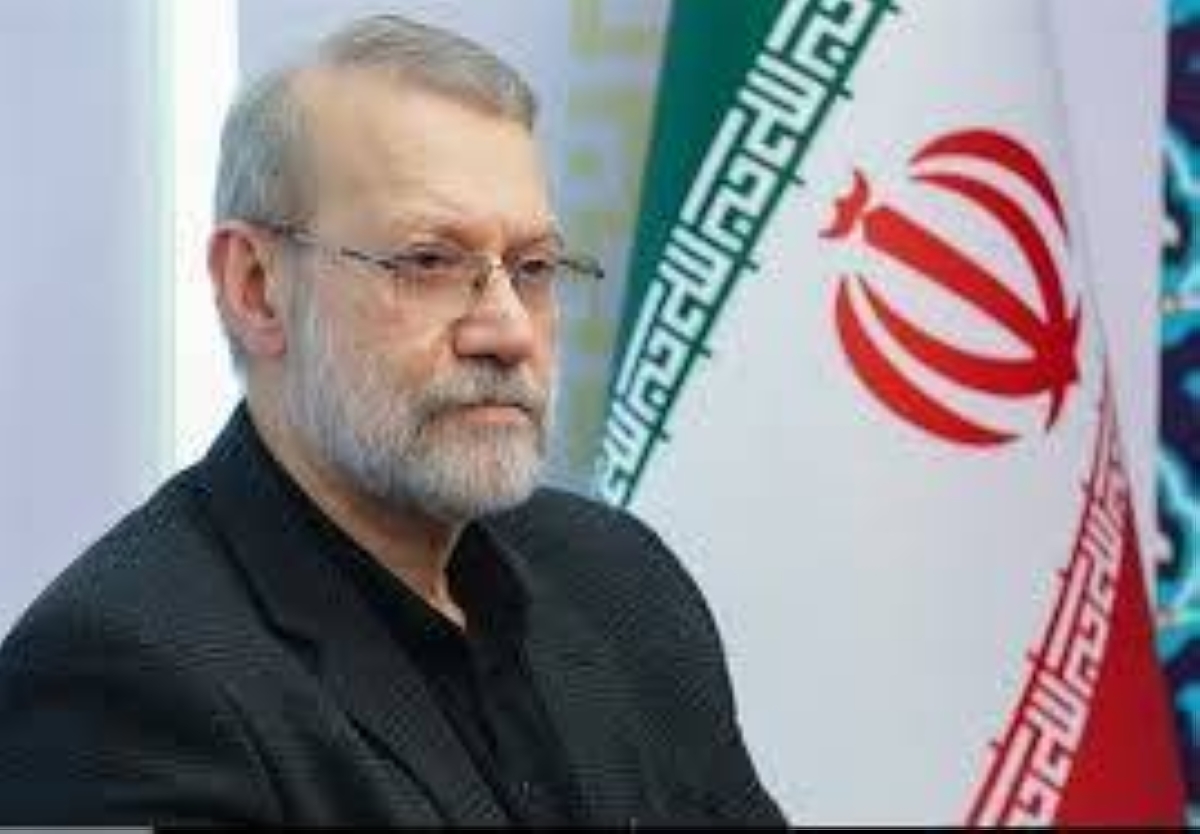
عين الرئيس الإيراني مسعود بزشكيان، اليوم (الثلاثاء)، علي لاريجاني أميناً عاماً للمجلس الأعلى للأمن القومي، خلفاً للجنرال علي أكبر أحمديان، وبحسب وسائل إعلام إيرانية فإن هذا التعيين يشكل عودة رسمية للاريجاني إلى المناصب السيادية في البلاد.
ويُعدّ لاريجاني من كبار مستشاري المرشد الإيراني علي خامنئي وشخصية محورية في النظام الإيراني وسبق له أن شغل منصب الأمين العام للمجلس الأعلى للأمن القومي بين عامي 2005 و2007، وكان أول من قاد التفاوض مع الغرب حول البرنامج النووي، كما شغل منصب رئيس البرلمان لفترة طويلة، ويُعرف بعلاقاته المتوازنة مع مختلف التيارات السياسية، ما قد يُفسَّر كمؤشر على رغبة الإدارة الجديدة بقيادة بزشكيان في اعتماد نهج أكثر براغماتية وانفتاحاً في التعامل مع الملفات الأمنية الحساسة.
وأُعلن تأسيس مجلس الدفاع الوطني هيئةً جديدةً ضمن بنية مجلس الأمن القومي، يضطلع بمهمات التخطيط الدفاعي الشامل، ويترأسه الرئيس مسعود بزشكيان، بمشاركة رؤساء السلطات الثلاث وكبار القادة العسكريين، في خطوة اعتُبرت محاولة لإعادة هيكلة آليات اتخاذ القرار الدفاعي، وتعزيز التكامل بين المؤسستين المدنية والعسكرية.
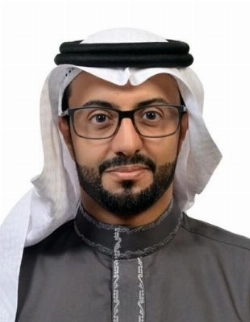
ورغم إعفاء أحمديان من منصبه أميناً للمجلس إلا أنه من المتوقع أن يواصل أداء دور مؤثر داخل المنظومة الأمنية، ويتولى قيادة ملفات استراتيجية داخل مجلس الدفاع الوطني، ويحتفظ بعضويته في مجلس الأمن القومي بحكم منصبه الجديد.
The Iranian President, Masoud Bezhaskian, appointed Ali Larijani today (Tuesday) as the Secretary-General of the Supreme National Security Council, succeeding General Ali Akbar Ahmadian. According to Iranian media, this appointment marks Larijani's official return to sovereign positions in the country.
Larijani is considered one of the senior advisors to Iranian Supreme Leader Ali Khamenei and a pivotal figure in the Iranian system. He previously held the position of Secretary-General of the Supreme National Security Council from 2005 to 2007 and was the first to lead negotiations with the West regarding the nuclear program. He also served as the Speaker of Parliament for a long time and is known for his balanced relationships with various political currents, which may be interpreted as an indication of the new administration under Bezhaskian's leadership seeking a more pragmatic and open approach to dealing with sensitive security issues.
The establishment of the National Defense Council was announced as a new body within the structure of the National Security Council, tasked with comprehensive defense planning. It is chaired by President Masoud Bezhaskian, with the participation of the heads of the three branches of government and senior military leaders. This step is seen as an attempt to restructure the mechanisms of defense decision-making and enhance integration between the civilian and military institutions.
Despite Ahmadian's dismissal from his position as Secretary of the Council, he is expected to continue playing an influential role within the security system, leading strategic files within the National Defense Council, and retaining his membership in the National Security Council by virtue of his new position.