


استبعدت مصادر مقربة من الكرملين احتمالات أن ينصاع الرئيس الروسي فلاديمير بوتين لتهديد نظيره الأمريكي دونالد ترمب بفرض عقوبات في حالة انقضاء مهلة الأيام الـ 10 التي حددها له لإنهاء الحرب في أوكرانيا. وتوقعت المصادر أن يتمسك بوتين بالسيطرة التامة على 4 مناطق في أوكرانيا.
وحسب المصادر المطلعة على مناقشات في الكرملين، فإن «تصميم بوتين على الاستمرار ينبع من إيمانه بأن روسيا ستنتصر، واعتقاده بأن أي عقوبات جديدة لن يكون لها تأثير كبير بعد موجات متتالية من العقوبات الاقتصادية منذ بدء الحرب قبل أكثر من ثلاث سنوات. وأفادت المصادر بأن الزعيم الروسي لا يريد إغضاب ترمب، ويدرك أنه قد يهدر فرصة لتحسين العلاقات مع واشنطن والغرب، لكن أهدافه الحربية لها الأولوية.
وأفصحت أن هدف الرئيس الروسي هو السيطرة الكاملة على مناطق دونيتسك ولوغانسك وزابوريجيا وخيرسون من أوكرانيا، التي تقول روسيا إنها أراضيها، ثم بعد ذلك مناقشة اتفاقية سلام.
واعتبرت أن المحادثات الحالية التي التقى فيها المفاوضون الروس والأوكرانيون 3 مرات منذ شهر مايو الماضي، مجرد محاولة من موسكو لإقناع ترمب بأن بوتين لا يرفض السلام. وأكدت المصادر أن المحادثات كانت خالية من أي مضمون حقيقي باستثناء مناقشات عمليات التبادل الإنسانية.
من جانبها، أفادت المتحدثة باسم البيت الأبيض آنا كيلي، بأن الرئيس ترمب يريد وقف عمليات القتل، ولهذا السبب يبيع أسلحة أمريكية الصنع لأعضاء حلف شمال الأطلسي ويهدد بوتين برسوم جمركية وعقوبات قاسية إذا لم يوافق على وقف إطلاق النار.
من جهته، أعرب الرئيس الأمريكي عن اعتقاده أن انخفاض أسعار الطاقة يمكن أن يضغط على بوتين لوقف الحرب في أوكرانيا. وقال في مقابلة مع «سي إن بي سي»: «إذا انخفضت أسعار الطاقة بما فيه الكفاية، سيتوقف بوتين عن قتل الناس.. إذا انخفضت أسعار الطاقة 10 دولارات أخرى للبرميل الواحد لن يكون لديه خيار آخر لأن اقتصاده يئن».
وكان ترمب هدّد بفرض عقوبات جديدة على روسيا، وفرض رسوم جمركية 100%على الدول التي تشتري نفطها، وأكبرها الصين والهند، ما لم يوافق بوتين على وقف إطلاق النار في أوكرانيا.
مع قرب انتهاء مهلة الـ10 أيام
الكرملين يستبعد تغيير موقف بوتين
5 أغسطس 2025 - 17:04
|
آخر تحديث 5 أغسطس 2025 - 17:04
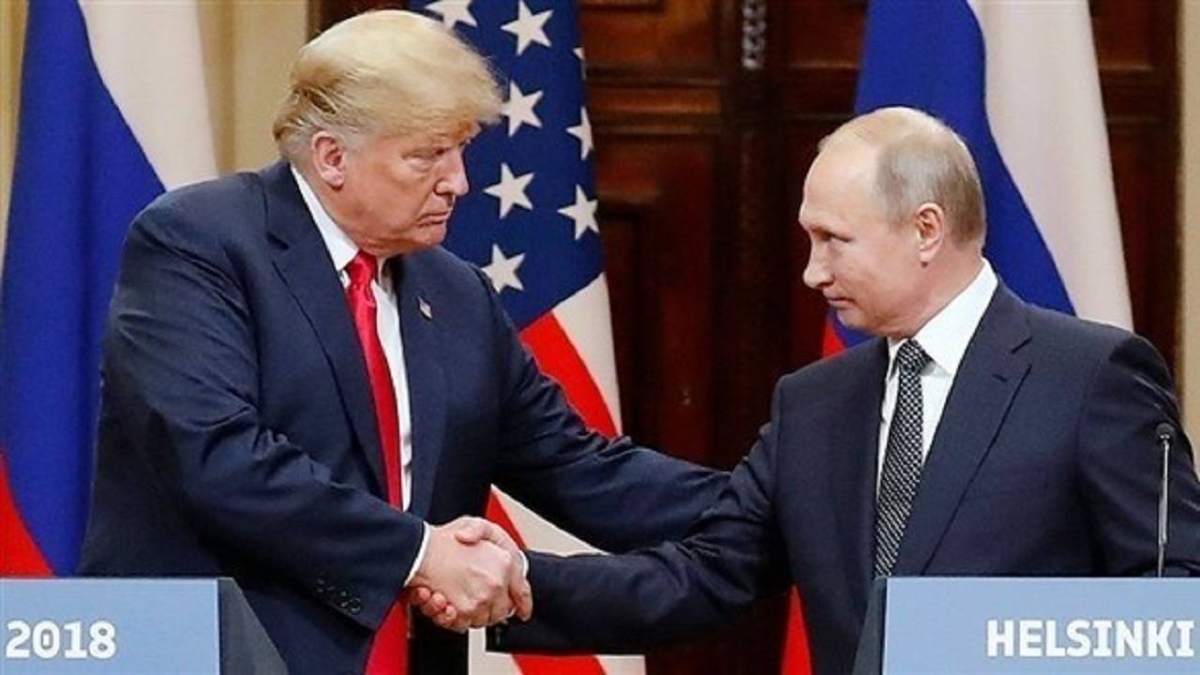
بوتين وترمب يتصافحان خلال لقاء سابق


تابع قناة عكاظ على الواتساب
«عكاظ» وكالات (موسكو، جدة) okaz_online@
Sources close to the Kremlin have dismissed the possibility that Russian President Vladimir Putin will comply with the threat from his American counterpart, Donald Trump, to impose sanctions if he does not end the war in Ukraine within the 10-day deadline set for him. The sources expect that Putin will insist on complete control over four regions in Ukraine.
According to sources familiar with discussions in the Kremlin, "Putin's determination to continue stems from his belief that Russia will prevail, and his conviction that any new sanctions will have little significant impact after successive waves of economic sanctions since the war began more than three years ago." The sources indicated that the Russian leader does not want to anger Trump and realizes he might squander an opportunity to improve relations with Washington and the West, but his military objectives take precedence.
They revealed that the Russian president's goal is complete control over the Donetsk, Luhansk, Zaporizhzhia, and Kherson regions of Ukraine, which Russia claims as its territory, and then to discuss a peace agreement.
They considered that the current talks, in which Russian and Ukrainian negotiators have met three times since May, are merely an attempt by Moscow to convince Trump that Putin does not reject peace. The sources confirmed that the discussions were devoid of any real substance except for talks on humanitarian exchanges.
For her part, White House spokesperson Anna Kelly stated that President Trump wants to stop the killings, which is why he is selling American-made weapons to NATO members and threatening Putin with tariffs and harsh sanctions if he does not agree to a ceasefire.
For his part, the American president expressed his belief that falling energy prices could pressure Putin to end the war in Ukraine. He said in an interview with CNBC: "If energy prices drop enough, Putin will stop killing people... If energy prices drop another $10 a barrel, he will have no other choice because his economy is suffering."
Trump had threatened to impose new sanctions on Russia and to impose a 100% tariff on countries that buy its oil, the largest being China and India, unless Putin agrees to a ceasefire in Ukraine.
According to sources familiar with discussions in the Kremlin, "Putin's determination to continue stems from his belief that Russia will prevail, and his conviction that any new sanctions will have little significant impact after successive waves of economic sanctions since the war began more than three years ago." The sources indicated that the Russian leader does not want to anger Trump and realizes he might squander an opportunity to improve relations with Washington and the West, but his military objectives take precedence.
They revealed that the Russian president's goal is complete control over the Donetsk, Luhansk, Zaporizhzhia, and Kherson regions of Ukraine, which Russia claims as its territory, and then to discuss a peace agreement.
They considered that the current talks, in which Russian and Ukrainian negotiators have met three times since May, are merely an attempt by Moscow to convince Trump that Putin does not reject peace. The sources confirmed that the discussions were devoid of any real substance except for talks on humanitarian exchanges.
For her part, White House spokesperson Anna Kelly stated that President Trump wants to stop the killings, which is why he is selling American-made weapons to NATO members and threatening Putin with tariffs and harsh sanctions if he does not agree to a ceasefire.
For his part, the American president expressed his belief that falling energy prices could pressure Putin to end the war in Ukraine. He said in an interview with CNBC: "If energy prices drop enough, Putin will stop killing people... If energy prices drop another $10 a barrel, he will have no other choice because his economy is suffering."
Trump had threatened to impose new sanctions on Russia and to impose a 100% tariff on countries that buy its oil, the largest being China and India, unless Putin agrees to a ceasefire in Ukraine.


