


أبدى النائب عن كتلة الإعمار والتنمية النيابية حميد الشبلاوي دعم كتلته التي يقودها رئيس الوزراء محمد شياع السوداني لخطوات حصر السلاح بيد الدولة، مؤكدا أهمية منع الجهات المسؤولة عن الفصائل من الترشح في الانتخابات.
وقال الشبلاوي لـ«عكاظ»: «الكتلة تدعم خطوات الحكومة بإجراءات حصر السلاح بيد الدولة، لكن المواطن يحتاج إلى خطوات حقيقية وجدية تشعره بوجود إجراءات أكثر واقعية، منها منع الجهات والشخصيات المسؤولة عن الفصائل المسلحة من الترشيح في الانتخابات».
وأضاف: «العمل الذي تقوم به الحكومة الحالية عمل شاق وشبه مستحيل، نتيجة التراكمات السابقة، إلا أن الحكومة الحالية تعمل بجدية وأنقذت البلاد من أزمة خارجية وحرب أهلية داخلية لفترات محددة».
في غضون ذلك، حذر تقرير أمريكي اليوم (الخميس) من المخاطر المتواصلة التي يواجهها العراق رغم مرور سنوات على هزيمة تنظيم داعش الإرهابي ميدانياً، داعياً إلى ضرورة الكف عن التعامل مع البلد كساحة صراع جيوسياسي، والنظر إليه كشريك يتمتع بالسيادة وقادر على رسم مساره نحو الاستقرار.
وذكر موقع «أوراسيا ريفيو» الأمريكي في تقرير له أن شبح داعش ما زال يلوح في الأفق، رغم تراجع ظهوره الإعلامي ضمن الاهتمامات الدولية.
وأكد التقرير أن العديد من المراقبين الأجانب اعتقدوا أن العراق طوى صفحة الفوضى بعد هزيمة داعش في 2017، إلا أن هناك هجمات محدودة للتنظيم حدثت خلال الأشهر الماضية، خصوصاً في مناطق ديالى وكركوك وجبال حمرين، التي تستهدف في أحيان كثيرة قوات الأمن ونقاط التفتيش وحتى المدنيين.
وتطرق التقرير إلى تطور دور قوات الحشد الشعبي في مرحلة ما بعد داعش، كونها باتت منخرطة في الإطار الأمني الرسمي العراقي، لكنها لا تزال مثار جدل بسبب قضايا تتعلق بالمساءلة، وتسلسل القيادة الموازي، والتأثيرات الإقليمية، موضحاً أن بعض السرديات الغربية تتناول هذا الملف بطريقة مبسطة ومجتزأة، تتجاهل التعقيدات التاريخية والسياسية التي تشكل طبيعة المنظومة الأمنية في العراق، وتتغاضى عن مفاهيم السيادة الوطنية.
وفي السياق ذاته، أشار التقرير إلى أن انسحاب القوات القتالية الأمريكية من العراق لاقى ترحيباً شعبياً واسعاً، لكنه كشف أيضاً ثغرات في تبادل المعلومات الاستخباراتية واللوجستية، في وقت يعاني فيه الجيش العراقي من ضغوطات مرتبطة بتراجع الموازنات والاختلالات السياسية وانخفاض ثقة الجمهور بالمؤسسات الرسمية.
وحذّر التقرير من أن استمرار الأزمة السياسية في البلاد، المتمثلة في الجمود وضعف تقديم الخدمات، يشكل بيئة خصبة لعودة التطرف، لاسيما في ظل تنامي مشاعر الإحباط الاجتماعي، وارتفاع معدلات البطالة بين الشباب، وتدهور البنية التحتية.
ونوه التقرير إلى أن استقرار العراق يجب أن ينطلق من احترام سيادته، والعمل عبر الحوار والتعاون لا التدخل والضغط الخارجي، مؤكداً أن السياسات الأجنبية التي تعتمد على التدخل العسكري تقوّض الشرعية الداخلية وتؤجج مشاعر الغضب الشعبي.
ودعا التقرير المجتمع الدولي، خصوصاً الدول الغربية، إلى الاستثمار في الإنسان العراقي، وعدم الاكتفاء بمقاربات مكافحة الإرهاب، مشدداً على أن الفرصة الحقيقية تكمن في دعم مؤسسات الدولة، وتعزيز صمود المواطنين، والتعاون الإقليمي، بدلاً من إبقاء العراق ساحة لتصفية الحسابات الجيوسياسية.
تحالف رئيس الوزراء العراقي يؤيد حصر السلاح بيد الدولة
31 يوليو 2025 - 18:27
|
آخر تحديث 31 يوليو 2025 - 18:27
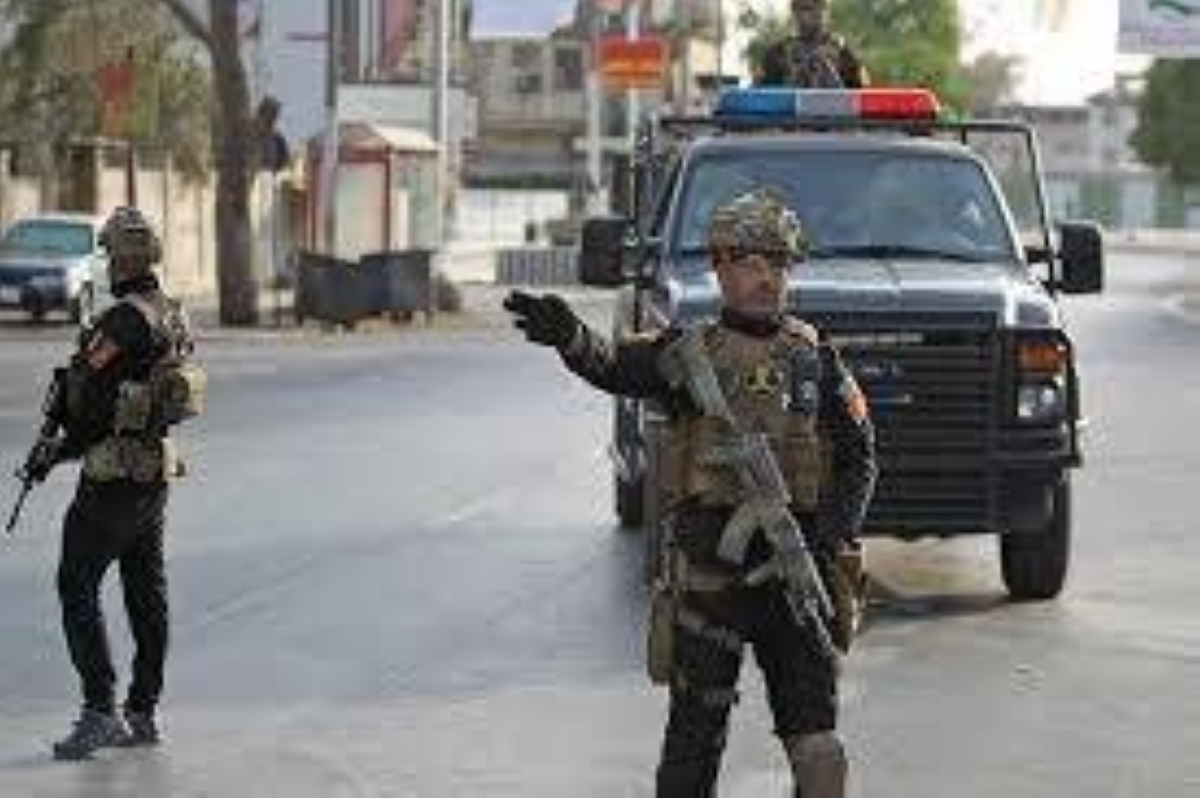
قوات الأمن العراقية.


تابع قناة عكاظ على الواتساب
رياض منصور (بغداد) riyadmansour@
The representative of the Reconstruction and Development parliamentary bloc, Hamid Al-Shiblawi, expressed his bloc's support, led by Prime Minister Muhammad Shia al-Sudani, for steps to restrict arms to the state, emphasizing the importance of preventing responsible parties from armed factions from running in elections.
Al-Shiblawi told "Okaz": "The bloc supports the government's steps to restrict arms to the state, but the citizen needs real and serious steps that make him feel the presence of more realistic measures, including preventing the parties and individuals responsible for armed factions from running in the elections."
He added: "The work being done by the current government is arduous and almost impossible due to previous accumulations, yet the current government is working seriously and has saved the country from an external crisis and an internal civil war for specific periods."
Meanwhile, an American report warned today (Thursday) of the ongoing risks facing Iraq despite the years that have passed since the military defeat of the ISIS terrorist organization, calling for an end to treating the country as a geopolitical battleground and viewing it as a partner that enjoys sovereignty and is capable of charting its path toward stability.
The American website "Eurasia Review" mentioned in its report that the specter of ISIS still looms on the horizon, despite the decline in its media presence among international concerns.
The report confirmed that many foreign observers believed that Iraq had turned the page on chaos after the defeat of ISIS in 2017, yet there have been limited attacks by the organization in recent months, particularly in the areas of Diyala, Kirkuk, and the Hamrin Mountains, which often target security forces, checkpoints, and even civilians.
The report addressed the evolving role of the Popular Mobilization Forces in the post-ISIS phase, as they have become involved in the official Iraqi security framework, but they remain a subject of controversy due to issues related to accountability, parallel command structures, and regional influences, noting that some Western narratives address this file in a simplified and fragmented manner, ignoring the historical and political complexities that shape the nature of the security system in Iraq and overlooking concepts of national sovereignty.
In the same context, the report pointed out that the withdrawal of American combat forces from Iraq was met with widespread popular approval, but it also revealed gaps in intelligence and logistical information exchange, at a time when the Iraqi army is suffering from pressures related to budget cuts, political imbalances, and declining public trust in official institutions.
The report warned that the continuation of the political crisis in the country, manifested in stagnation and weak service delivery, creates a fertile environment for the return of extremism, especially in light of growing feelings of social frustration, rising unemployment rates among youth, and deteriorating infrastructure.
The report noted that Iraq's stability must stem from respect for its sovereignty, and that dialogue and cooperation should be pursued rather than external intervention and pressure, emphasizing that foreign policies based on military intervention undermine internal legitimacy and fuel public anger.
The report called on the international community, particularly Western countries, to invest in the Iraqi people and not to be satisfied with counter-terrorism approaches, stressing that the real opportunity lies in supporting state institutions, enhancing citizens' resilience, and fostering regional cooperation, instead of keeping Iraq as a battleground for settling geopolitical scores.
Al-Shiblawi told "Okaz": "The bloc supports the government's steps to restrict arms to the state, but the citizen needs real and serious steps that make him feel the presence of more realistic measures, including preventing the parties and individuals responsible for armed factions from running in the elections."
He added: "The work being done by the current government is arduous and almost impossible due to previous accumulations, yet the current government is working seriously and has saved the country from an external crisis and an internal civil war for specific periods."
Meanwhile, an American report warned today (Thursday) of the ongoing risks facing Iraq despite the years that have passed since the military defeat of the ISIS terrorist organization, calling for an end to treating the country as a geopolitical battleground and viewing it as a partner that enjoys sovereignty and is capable of charting its path toward stability.
The American website "Eurasia Review" mentioned in its report that the specter of ISIS still looms on the horizon, despite the decline in its media presence among international concerns.
The report confirmed that many foreign observers believed that Iraq had turned the page on chaos after the defeat of ISIS in 2017, yet there have been limited attacks by the organization in recent months, particularly in the areas of Diyala, Kirkuk, and the Hamrin Mountains, which often target security forces, checkpoints, and even civilians.
The report addressed the evolving role of the Popular Mobilization Forces in the post-ISIS phase, as they have become involved in the official Iraqi security framework, but they remain a subject of controversy due to issues related to accountability, parallel command structures, and regional influences, noting that some Western narratives address this file in a simplified and fragmented manner, ignoring the historical and political complexities that shape the nature of the security system in Iraq and overlooking concepts of national sovereignty.
In the same context, the report pointed out that the withdrawal of American combat forces from Iraq was met with widespread popular approval, but it also revealed gaps in intelligence and logistical information exchange, at a time when the Iraqi army is suffering from pressures related to budget cuts, political imbalances, and declining public trust in official institutions.
The report warned that the continuation of the political crisis in the country, manifested in stagnation and weak service delivery, creates a fertile environment for the return of extremism, especially in light of growing feelings of social frustration, rising unemployment rates among youth, and deteriorating infrastructure.
The report noted that Iraq's stability must stem from respect for its sovereignty, and that dialogue and cooperation should be pursued rather than external intervention and pressure, emphasizing that foreign policies based on military intervention undermine internal legitimacy and fuel public anger.
The report called on the international community, particularly Western countries, to invest in the Iraqi people and not to be satisfied with counter-terrorism approaches, stressing that the real opportunity lies in supporting state institutions, enhancing citizens' resilience, and fostering regional cooperation, instead of keeping Iraq as a battleground for settling geopolitical scores.


