


طرح رئيس وزراء حكومة الاحتلال الإسرائيلي بنيامين نتنياهو خطة عمل جديدة بشأن قطاع غزة، قال إنها تمثل «تغييراً في النهج» السياسي والاستراتيجي.
ووفق صحيفة «معاريف»، تنص الخطة التي طرحت خلال اجتماع «المنتدى الوزاري المصغر» الذي عُقد مساء أمس الاثنين، على منح الوسطاء الدوليين فرصة جديدة لإقناع حركة حماس بقبول مقترح الصفقة الذي طُرح قبل نحو أسبوعين، والذي سبق أن وافقت عليه إسرائيل.
وأكد نتنياهو أن إسرائيل «لن تنتظر إلى ما لا نهاية»، مشدداً على أن فترة زمنية محددة ستُمنح للطرف الآخر لتقديم رد إيجابي يُمكّن من إحراز تقدم في المحادثات.
وأفادت الصحيفة بأنه في حال الرفض أو المماطلة، فإن نتنياهو أعلن عن نية حكومته اتخاذ خطوات أحادية، أبرزها ضم أراضٍ في قطاع غزة.
وكشفت أنه اقترح خلال الاجتماع إنشاء إدارة مدنية وأمنية خاصة لإدارة تلك المناطق، في خطوة تُعد تحولاً جذرياً في السياسة الإسرائيلية من إستراتيجية الضغط للتسوية إلى فرض واقع ميداني جديد.
ولا تزال القيادة السياسية الإسرائيلية ترى أن هناك فرصاً واقعية لإبرام صفقة تبادل أسرى ووقف إطلاق النار، في حال أبدت حماس مرونة في المفاوضات الجارية.
من جانبه، قال وزير الخارجية الإسرائيلي، جدعون ساعر، اليوم (الثلاثاء)، إن بلاده ترفض أي مساع لإقامة دولة تكون حماس جزءاً منها، لافتا إلى أن المحاولات لإجبار إسرائيل على الموافقة على حل الدولتين «لن يحدث».
واعتبر أن الضغط الدولي على إسرائيل خلال الأشهر الماضية أتاح لحماس تقوية موقفها، محذراً من أن استمرار ما وصفه بـ«تعنت الحركة» في المفاوضات قد يدفع إلى تصعيد عسكري جديد.
وحول الوضع الإنساني في غزة، وصفه الوزير بأنه «صعب»، وزعم أن هناك «أكاذيب بشأن وجود تجويع»، لافتاً إلى أن إسرائيل «مستعدة للتعاون مع أي جهة ترغب في المشاركة في عمليات الإسقاط الجوي للمساعدات».
إسرائيل: لن نقبل بدولة لـ«حماس» عبر حل الدولتين
ما تفاصيل خطة نتنياهو الجديدة في غزة؟
29 يوليو 2025 - 12:35
|
آخر تحديث 29 يوليو 2025 - 12:35
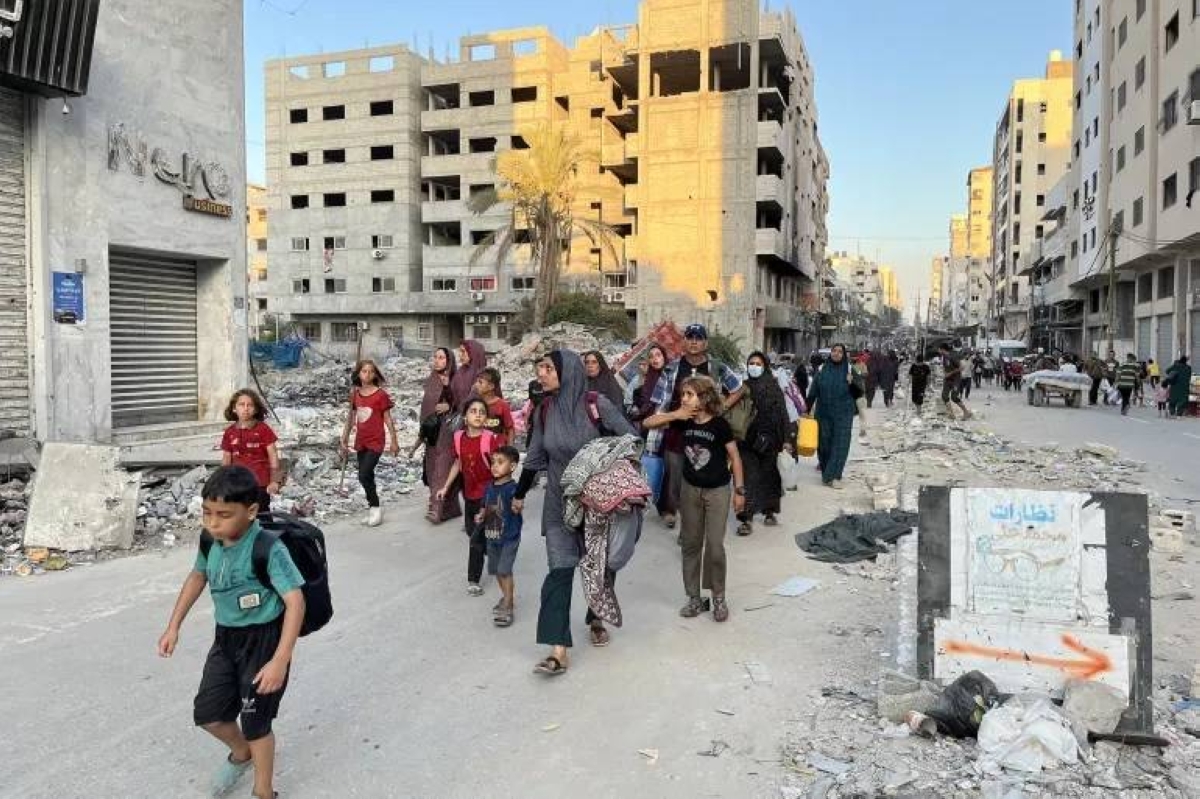
سكان شمالي غزة يواجهون محاولات مستمرة لتهجيرهم


تابع قناة عكاظ على الواتساب
«عكاظ» وكالات (غزة)okaz_online@
Israeli Prime Minister Benjamin Netanyahu has proposed a new action plan regarding the Gaza Strip, which he said represents a "change in the political and strategic approach."
According to the newspaper "Maariv," the plan, which was presented during a meeting of the "mini-ministerial forum" held last night, stipulates giving international mediators a new opportunity to persuade Hamas to accept the proposal that was put forward about two weeks ago, which Israel had already agreed to.
Netanyahu confirmed that Israel "will not wait indefinitely," emphasizing that a specific timeframe will be granted to the other party to provide a positive response that would enable progress in the talks.
The newspaper reported that in the event of rejection or procrastination, Netanyahu announced his government's intention to take unilateral steps, the most prominent of which is the annexation of lands in the Gaza Strip.
It revealed that he proposed during the meeting the establishment of a special civil and security administration to manage those areas, in a move considered a radical shift in Israeli policy from a pressure strategy for settlement to imposing a new field reality.
The Israeli political leadership still sees realistic opportunities to conclude a prisoner exchange deal and a ceasefire, provided that Hamas shows flexibility in the ongoing negotiations.
For his part, Israeli Foreign Minister Gideon Sa'ar stated today (Tuesday) that his country rejects any efforts to establish a state that includes Hamas, noting that attempts to force Israel to agree to a two-state solution "will not happen."
He considered that international pressure on Israel in recent months has allowed Hamas to strengthen its position, warning that the continuation of what he described as the "movement's stubbornness" in negotiations could lead to a new military escalation.
Regarding the humanitarian situation in Gaza, the minister described it as "difficult," claiming that there are "lies about the existence of starvation," pointing out that Israel is "ready to cooperate with any party wishing to participate in air-drop operations for aid."
According to the newspaper "Maariv," the plan, which was presented during a meeting of the "mini-ministerial forum" held last night, stipulates giving international mediators a new opportunity to persuade Hamas to accept the proposal that was put forward about two weeks ago, which Israel had already agreed to.
Netanyahu confirmed that Israel "will not wait indefinitely," emphasizing that a specific timeframe will be granted to the other party to provide a positive response that would enable progress in the talks.
The newspaper reported that in the event of rejection or procrastination, Netanyahu announced his government's intention to take unilateral steps, the most prominent of which is the annexation of lands in the Gaza Strip.
It revealed that he proposed during the meeting the establishment of a special civil and security administration to manage those areas, in a move considered a radical shift in Israeli policy from a pressure strategy for settlement to imposing a new field reality.
The Israeli political leadership still sees realistic opportunities to conclude a prisoner exchange deal and a ceasefire, provided that Hamas shows flexibility in the ongoing negotiations.
For his part, Israeli Foreign Minister Gideon Sa'ar stated today (Tuesday) that his country rejects any efforts to establish a state that includes Hamas, noting that attempts to force Israel to agree to a two-state solution "will not happen."
He considered that international pressure on Israel in recent months has allowed Hamas to strengthen its position, warning that the continuation of what he described as the "movement's stubbornness" in negotiations could lead to a new military escalation.
Regarding the humanitarian situation in Gaza, the minister described it as "difficult," claiming that there are "lies about the existence of starvation," pointing out that Israel is "ready to cooperate with any party wishing to participate in air-drop operations for aid."


