وصف المبعوث الأمريكي الخاص توم براك، الوضع في لبنان بأنه «معقد»، لافتاً إلى أن الجميع يحاول تسوية الأمور في لبنان. وقال براك عقب لقائه البطريرك بشارة بطرس الراعي في بكركي، اليوم (الأربعاء): «أتفهم الصعوبات في لبنان، وآمل أن يستمر التواصل بين قادته. وأكد أنه يتعين على الدولة اللبنانية أن تقرر مصيرها ونحن مستعدون للمساعدة، مشدداً على أهمية حصر السلاح بيد الدولة اللبنانية مع التحلي بالصبر. وكشف وجود مشكلات تمنع التطبيق الكامل لوقف إطلاق النار بين لبنان وإسرائيل، معلنا أنه سيعود إلى لبنان كلما دعت الحاجة.
وجاءت زيارة المبعوث الأمريكي إلى بيروت، وهي الثالثة في أقلّ من شهرين، لتسلّم ردّ لبنان الرسمي على الورقة التي طرحها في زيارته الثانية، وتتضمّن رؤية الإدارة الأمريكية لتنفيذ عملية حصر السلاح بيد الدولة.
وأكد في زيارته هذه أن لا ضمانات أمريكية لتقديمها لبيروت وأيضاً أن بلاده لا يمكنها إرغام إسرائيل على شيء، مكرراً أن مسألة نزع سلاح حزب الله داخلية، وأن واشنطن تريد مساعدة لبنان.
وأفصحت مصادر لبنانية أن ورقة الردّ اللبناني على طرح براك لم تتضمن أية جداول زمنية وخطوات عملية على صعيد تنفيذ عملية حصر السلاح بيد الدولة. وذكرت أن لبنان طالب واشنطن بالضغط على إسرائيل للانسحاب تدريجياً من جنوب لبنان كي يقوم بالمقابل بالمطلوب منه لجهة حصر السلاح بيد الدولة.
واعتبرت المصادر أن ضغط واشنطن على تل أبيب سيُسهّل مهمة بيروت بالتفاوض مع حزب الله لتسليم سلاحه، مع العلم أن الولايات المتحدة الأمريكية تصرّ على وضع جدول زمني لتسليم السلاح قبل نهاية العام.
وكانت مصادر مطلعة أفصحت أن الجناح العسكري لحزب الله أبلغ رئيس مجلس النواب نبيه بري بأنه لن يسلم سلاحه حتى في حال انسحاب إسرائيل، مشدداً على أنه جاهز للتصادم إذا أرادت الدولة اللبنانية ذلك.
وكان الرئيس اللبناني جوزيف عون أكد أن تطبيق قرار حصرية السلاح هو قرار متّخذ ولا رجوع عنه، ويتم بروية تحفظ وحدة لبنان وتمنع الإضرار بالسلم الأهلي.
وكان براك سلّم المسؤولين اللبنانيين في زيارته الأولى في 19 يونيو الماضي مقترحات لتنفيذ الترتيبات الأمنية لوقف الأعمال العدائية بين لبنان وإسرائيل.
وفي زيارته الثانية في الـ7 من الشهر الجاري تسلّم باراك من الرئيس عون رداً على المقترحات التي حملها إلى المسؤولين اللبنانيين في زيارته الأولى.
شدّد على أهمية حصر السلاح بيد الدولة
مبعوث واشنطن: الوضع في لبنان «معقّد»
23 يوليو 2025 - 13:07
|
آخر تحديث 23 يوليو 2025 - 13:07
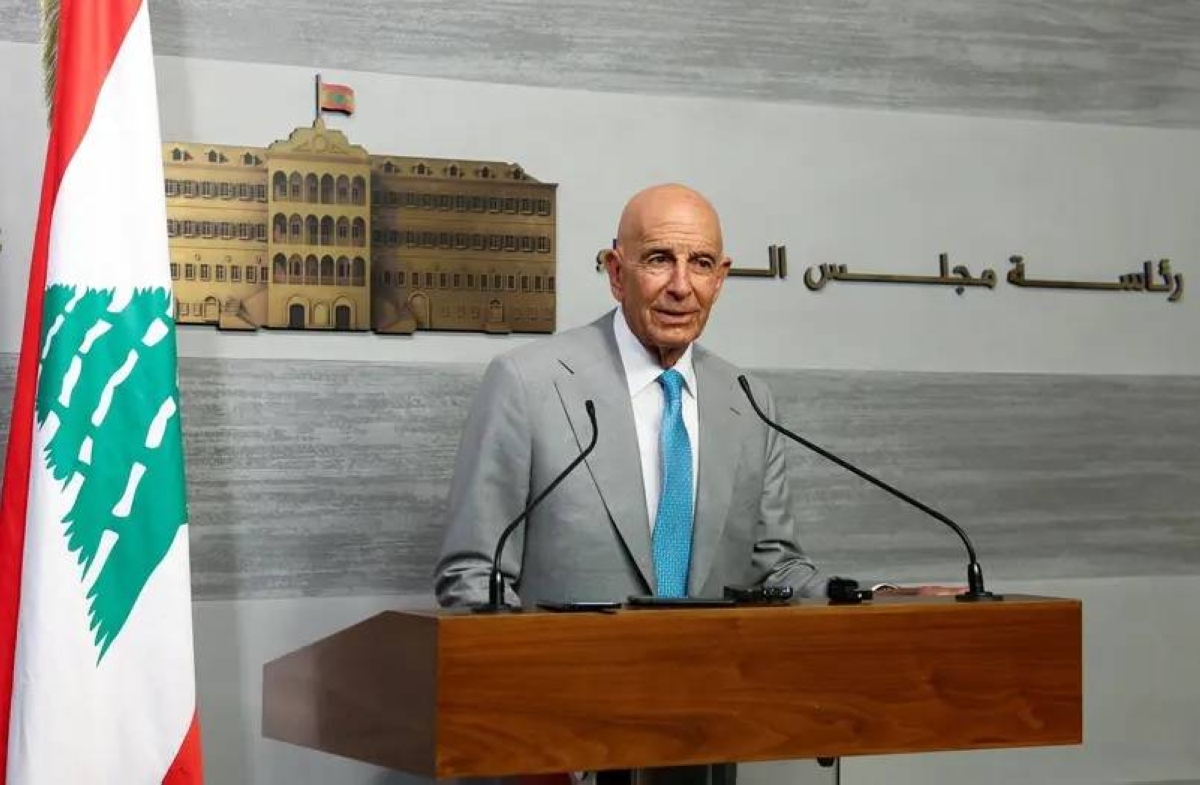
توم براك


تابع قناة عكاظ على الواتساب
«عكاظ» وكالات (بيروت، جدة) okaz_online@
The U.S. Special Envoy Tom Barak described the situation in Lebanon as "complex," noting that everyone is trying to settle matters in Lebanon. Barak said after meeting with Patriarch Bechara Boutros al-Rahi in Bkerke today (Wednesday): "I understand the difficulties in Lebanon, and I hope that communication between its leaders continues." He emphasized that the Lebanese state must decide its fate and that we are ready to help, stressing the importance of confining arms to the Lebanese state while exercising patience. He revealed that there are issues preventing the full implementation of the ceasefire between Lebanon and Israel, announcing that he will return to Lebanon whenever necessary.
Barak's visit to Beirut, his third in less than two months, was to receive Lebanon's official response to the paper he presented during his second visit, which includes the U.S. administration's vision for implementing the process of confining arms to the state.
During this visit, he confirmed that there are no American guarantees to be provided to Beirut and also that his country cannot force Israel to do anything, reiterating that the issue of disarming Hezbollah is an internal matter, and that Washington wants to assist Lebanon.
Lebanese sources revealed that the Lebanese response to Barak's proposal did not include any timelines or practical steps regarding the implementation of the process of confining arms to the state. They mentioned that Lebanon requested Washington to pressure Israel to gradually withdraw from southern Lebanon so that it can, in turn, do what is required of it regarding confining arms to the state.
The sources considered that U.S. pressure on Tel Aviv would facilitate Beirut's task of negotiating with Hezbollah to hand over its weapons, noting that the United States insists on setting a timeline for the handover of arms before the end of the year.
Informed sources disclosed that Hezbollah's military wing informed Parliament Speaker Nabih Berri that it would not hand over its weapons even if Israel withdrew, stressing that it is ready for confrontation if the Lebanese state desires that.
Lebanese President Joseph Aoun confirmed that the implementation of the decision to confine arms is a decision made and irreversible, and it is carried out with caution to preserve Lebanon's unity and prevent harm to civil peace.
Barak had delivered proposals to Lebanese officials during his first visit on June 19 to implement security arrangements to cease hostilities between Lebanon and Israel.
During his second visit on the 7th of this month, Barak received from President Aoun a response to the proposals he brought to Lebanese officials during his first visit.
Barak's visit to Beirut, his third in less than two months, was to receive Lebanon's official response to the paper he presented during his second visit, which includes the U.S. administration's vision for implementing the process of confining arms to the state.
During this visit, he confirmed that there are no American guarantees to be provided to Beirut and also that his country cannot force Israel to do anything, reiterating that the issue of disarming Hezbollah is an internal matter, and that Washington wants to assist Lebanon.
Lebanese sources revealed that the Lebanese response to Barak's proposal did not include any timelines or practical steps regarding the implementation of the process of confining arms to the state. They mentioned that Lebanon requested Washington to pressure Israel to gradually withdraw from southern Lebanon so that it can, in turn, do what is required of it regarding confining arms to the state.
The sources considered that U.S. pressure on Tel Aviv would facilitate Beirut's task of negotiating with Hezbollah to hand over its weapons, noting that the United States insists on setting a timeline for the handover of arms before the end of the year.
Informed sources disclosed that Hezbollah's military wing informed Parliament Speaker Nabih Berri that it would not hand over its weapons even if Israel withdrew, stressing that it is ready for confrontation if the Lebanese state desires that.
Lebanese President Joseph Aoun confirmed that the implementation of the decision to confine arms is a decision made and irreversible, and it is carried out with caution to preserve Lebanon's unity and prevent harm to civil peace.
Barak had delivered proposals to Lebanese officials during his first visit on June 19 to implement security arrangements to cease hostilities between Lebanon and Israel.
During his second visit on the 7th of this month, Barak received from President Aoun a response to the proposals he brought to Lebanese officials during his first visit.