


من يجرؤ في بيروت اليوم على القول إن الزمن ما زال لصالحنا؟
الرسائل لا تُسلم في وضح النهار، والمُهل لا تمنح مجاناً. وواشنطن لن تنتظر أكثر، لذلك بدأت تحاصر لبنان بكلمات منسقة تحمل بين سطورها خريطة تفكيك كاملة: دولة بلا سلاح خارج القرار الرسمي، واقتصاد بلا سيولة متفلتة، وحدود ترسم خارج الإرادة اللبنانية.
وللمرة الأولى لا يُطلب من لبنان أن يفاوض، بل أن ينفذ أو يتبخر من جدول الأولويات الدولية.
فماذا يعني أن تطلب واشنطن بحصرية السلاح؟
أن يربط الانهيار الاقتصادي بمسألة السلاح غير الشرعي؟
أن تفتح ملفات شبعا والمعابر والمصارف دفعة واحدة؟
الرد الأمريكي ليس نهاية فصل، بل افتتاحية حقبة جديدة؛ حقبة يعاد فيها تعريف لبنان: أين يبدأ؟ أين ينتهي؟ ومن يملك قراره!
وهنا، لا بد من تفكيك مضمون هذا الرد، الذي وإن بدا هادئاً في شكله، إلا أنه ينذر بتحولات دراماتيكية في بنية الدولة اللبنانية.
لحظة استثنائيّة بـ 3 معايير
الرد الأمريكي غير الرسمي الذي تسلمه لبنان مطلع الأسبوع، كجواب على الورقة الرئاسية المرسلة إلى الموفد الأمريكي توماس براك، لم يكن تبادلاً تقليدياً للمواقف، بل انتقال إلى مستوى جديد من الإملاء.
هو لحظة استثنائيّة تحمل ثلاثة معايير تحولية؛ أولها: تحديد مهلة زمنية صارمة لنزع سلاح حزب الله قبل نهاية 2025، تبدأ بتسليم السلاح الثقيل مقابل انسحاب إسرائيلي متدرج من التلال المحتلة، وتتدرج الخطوات نحو المسيرات والعتاد المتبقي. ثانيها: ربط الإصلاحات المالية والاقتصادية الصارمة التي تشمل إغلاق مؤسسات مالية يهيمن عليها الحزب، بنزع السلاح، ما يجعل مصير لبنان المالي والسياسي مرتهناً بوتيرة تقدم هذا الملف. وثالثها: دعوة ضمنية لتصنيف مزارع شبعا كأرض سورية، ومطالبة بيروت بإقفال ملفها رسمياً، ما يترك أثراً مباشراً على الرواية السيادية اللبنانية.
هذه البنود لا تُقرأ كاقتراحات تفاوضية، بل كجزء من خريطة طريق تفرض على لبنان السير في اتجاه واحد، تحت طائلة العزلة الشاملة.
نزع السلاح مدخل لإعادة هندسة الدولة
في العمق، لا ترى واشنطن سلاح الحزب كملف أمني فحسب، بل كعائق وجودي أمام إعادة بناء الدولة اللبنانية. لذا طالبت ببرنامج زمني واضح لنزع السلاح بإشراف الجيش اللبناني وتوثيق مباشر مع صدور موقف معلن من الحزب يُقرّ بالآلية.
بهذا المعنى، تتحول المسألة من تفكيك قوة مسلحة إلى إخراج الحزب تدريجياً من النظام وتحويله من شريك سياسي فاعل إلى طرف خارج المشروعية. ما يعرض على لبنان هنا هو إعلان غير مباشر لولادة «دولة ما بعد الحزب».
أمريكا تجر لبنان إلى
«الصفقة النهائية»
ما سلّم إلى بيروت لا يشبه رداً تقليدياً، بل يشبه الخطوة الأولى في فرض تسوية كبرى. الخطة تشبه نموذج «خطة دايتون» في الضفة الغربية المحتلة، حيث أعيدت هيكلة السلطة تدريجياً ودمجت المؤسسات الأمنية في القرار السياسي والمالي، فيما تم تحييد المقاومة كقوة خارجة عن النظام.
الرد الأمريكي يعيد إنتاج هذا النموذج بصيغة لبنانية: جيش يشرف على السلاح، نظام مالي خاضع بالكامل للمراقبة، ومقاومة محاصرة من الداخل لا الخارج. هنا، يتحول الحزب من لاعب داخلي إلى «مشكلة إقليمية» يجب تفكيكها عبر أدوات محلية لا خارجية.
سيناريوهات الرفض - ما بعد المهلة؟
في حال الرفض أو المماطلة، لا يلوح الرد الأمريكي بعقوبات بل بخيارات أخطر: حجب الدعم الدولي، وقف الاستثمارات، والتلويح بإدخال لبنان في عزلة إقليمية تحت عنوان «بلاد الشام».
هذه ليست مجرد توصيفات جغرافية، بل مرحلة يعاد فيها دمج لبنان في إطار إقليمي هش.
هل يستطيع لبنان اجتياز الاختبار؟
الرد الأمريكي يضع لبنان أمام اختبار وجودي لا يملك له أدوات المواجهة؛ فالدولة مقسمة، والمؤسسات ضعيفة، والقرار السياسي يتنازعه الداخل والخارج. حتى الورقة اللبنانية الرسمية التي وُصفت بالموحدة، تبدو مجرد غلاف فوق انقسام سياسي واضح.
يدرك حزب الله أن اللحظة مختلفة، لا بسبب ميزان القوى العسكري، بل لأن شبكته الاجتماعية والاقتصادية تستنزف من عدة جبهات.
والسؤال الحقيقي هو: هل يمتلك لبنان القدرة السياسية والمؤسساتية لتنفيذ ما طُلب حتى لو أراد؟
العد التنازلي بدأ
ما تراه واشنطن فرصة تسوية، قد يشعر به الداخل اللبناني كخنق حقيقي. المهلة الزمنية الموضوعة ليست تقويماً سياسياً، بل عدٌّ تنازليّ لمرحلة جديدة من لبنان، أو لما تبقى منه. وإذا لم تتحول الورقة الأمريكية إلى خطوات عملية متسارعة، فإن البديل ليس الفوضى، بل الاختفاء الهادئ من جدول القرارات الدولية.
واشنطن تنتظر التنفيذ على إيقاع الفرصة الأخيرة
«المهلة الأمريكية».. عدٌّ تنازلي لمرحلة جديدة في لبنان
18 يوليو 2025 - 02:27
|
آخر تحديث 18 يوليو 2025 - 02:27
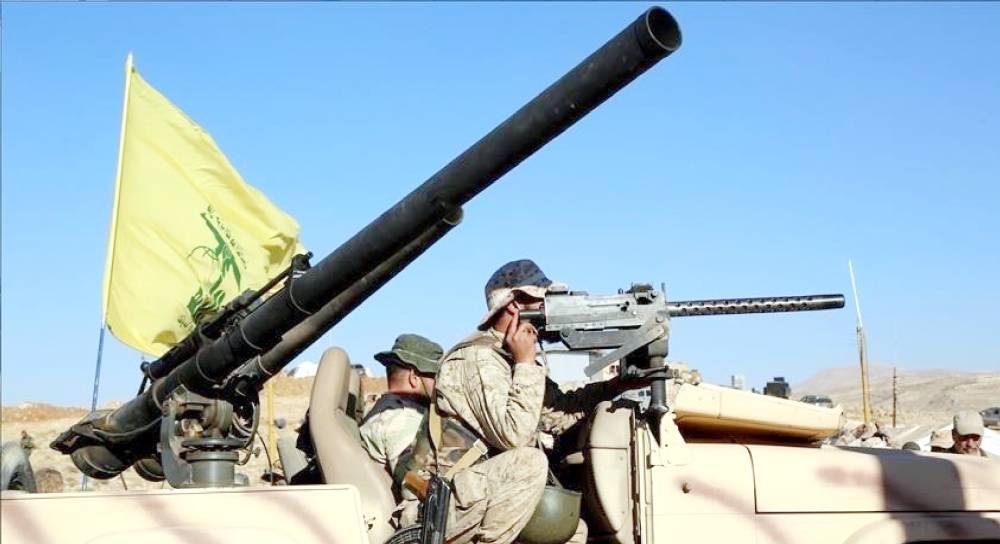
عناصر من حزب الله يستعرضون بأسلحتهم.


تابع قناة عكاظ على الواتساب
راوية حشمي (بيروت) HechmiRawiya@
Who dares in Beirut today to say that time is still on our side?
The messages are not delivered in broad daylight, and deadlines are not given for free. Washington will not wait any longer, which is why it has begun to suffocate Lebanon with coordinated words that carry within their lines a complete dismantling map: a state without weapons outside the official decision, an economy without loose liquidity, and borders drawn outside Lebanese will.
For the first time, Lebanon is not asked to negotiate, but to implement or evaporate from the international priorities list.
So what does it mean for Washington to demand exclusive control over weapons?
To link the economic collapse to the issue of illegal weapons?
To open the files of Shebaa, the crossings, and the banks all at once?
The American response is not the end of a chapter, but the opening of a new era; an era in which Lebanon is redefined: where does it begin? Where does it end? And who owns its decision!
Here, it is essential to unpack the content of this response, which, although it seems calm in form, warns of dramatic transformations in the structure of the Lebanese state.
An exceptional moment with 3 transformative criteria
The unofficial American response that Lebanon received at the beginning of the week, as an answer to the presidential paper sent to the American envoy Thomas Barak, was not a traditional exchange of positions, but a transition to a new level of imposition.
It is an exceptional moment carrying three transformative criteria; the first is: setting a strict timeline for disarming Hezbollah before the end of 2025, starting with the handover of heavy weapons in exchange for a gradual Israeli withdrawal from the occupied hills, with steps gradually moving towards drones and remaining equipment. The second is: linking strict financial and economic reforms, including the closure of financial institutions dominated by the party, to disarmament, making Lebanon's financial and political fate contingent on the pace of progress on this file. The third is: an implicit call to classify the Shebaa Farms as Syrian land, and a demand for Beirut to officially close its file, which directly impacts the Lebanese sovereignty narrative.
These items are not to be read as negotiating proposals, but as part of a roadmap imposed on Lebanon to move in one direction, under the threat of total isolation.
Disarmament as an entry point for restructuring the state
At its core, Washington does not see the party's weapons as merely a security issue, but as an existential obstacle to rebuilding the Lebanese state. Therefore, it demanded a clear timeline for disarmament under the supervision of the Lebanese army and direct documentation with a public stance from the party acknowledging the mechanism.
In this sense, the issue shifts from dismantling an armed force to gradually removing the party from the system and transforming it from an active political partner to an entity outside legitimacy. What is being offered to Lebanon here is an indirect declaration of the birth of a "post-party state."
America is dragging Lebanon towards
the "final deal"
What was delivered to Beirut does not resemble a traditional response, but rather resembles the first step in imposing a major settlement. The plan resembles the "Dayton Agreement" model in the occupied West Bank, where authority was gradually restructured and security institutions were integrated into political and financial decision-making, while resistance was neutralized as a force outside the system.
The American response reproduces this model in a Lebanese format: an army overseeing the weapons, a financial system fully under surveillance, and a resistance besieged from within rather than from outside. Here, the party transforms from an internal player into a "regional problem" that must be dismantled through local, not external, tools.
Scenarios of rejection - what after the deadline?
In the event of rejection or procrastination, the American response does not hint at sanctions but rather at more dangerous options: withholding international support, stopping investments, and threatening to place Lebanon in regional isolation under the banner of "Greater Syria."
These are not just geographical descriptors, but a phase in which Lebanon is being re-integrated into a fragile regional framework.
Can Lebanon pass the test?
The American response places Lebanon before an existential test for which it has no tools for confrontation; the state is divided, institutions are weak, and political decision-making is contested by both internal and external forces. Even the official Lebanese paper, described as unified, appears to be merely a cover over a clear political division.
Hezbollah understands that the moment is different, not because of the military balance of power, but because its social and economic network is being drained from multiple fronts.
And the real question is: Does Lebanon have the political and institutional capacity to implement what has been requested even if it wanted to?
The countdown has begun
What Washington sees as a settlement opportunity may feel to the Lebanese interior like real suffocation. The set timeline is not a political evaluation, but a countdown to a new phase for Lebanon, or what remains of it. If the American paper does not turn into rapid practical steps, then the alternative is not chaos, but a quiet disappearance from the agenda of international decisions.
The messages are not delivered in broad daylight, and deadlines are not given for free. Washington will not wait any longer, which is why it has begun to suffocate Lebanon with coordinated words that carry within their lines a complete dismantling map: a state without weapons outside the official decision, an economy without loose liquidity, and borders drawn outside Lebanese will.
For the first time, Lebanon is not asked to negotiate, but to implement or evaporate from the international priorities list.
So what does it mean for Washington to demand exclusive control over weapons?
To link the economic collapse to the issue of illegal weapons?
To open the files of Shebaa, the crossings, and the banks all at once?
The American response is not the end of a chapter, but the opening of a new era; an era in which Lebanon is redefined: where does it begin? Where does it end? And who owns its decision!
Here, it is essential to unpack the content of this response, which, although it seems calm in form, warns of dramatic transformations in the structure of the Lebanese state.
An exceptional moment with 3 transformative criteria
The unofficial American response that Lebanon received at the beginning of the week, as an answer to the presidential paper sent to the American envoy Thomas Barak, was not a traditional exchange of positions, but a transition to a new level of imposition.
It is an exceptional moment carrying three transformative criteria; the first is: setting a strict timeline for disarming Hezbollah before the end of 2025, starting with the handover of heavy weapons in exchange for a gradual Israeli withdrawal from the occupied hills, with steps gradually moving towards drones and remaining equipment. The second is: linking strict financial and economic reforms, including the closure of financial institutions dominated by the party, to disarmament, making Lebanon's financial and political fate contingent on the pace of progress on this file. The third is: an implicit call to classify the Shebaa Farms as Syrian land, and a demand for Beirut to officially close its file, which directly impacts the Lebanese sovereignty narrative.
These items are not to be read as negotiating proposals, but as part of a roadmap imposed on Lebanon to move in one direction, under the threat of total isolation.
Disarmament as an entry point for restructuring the state
At its core, Washington does not see the party's weapons as merely a security issue, but as an existential obstacle to rebuilding the Lebanese state. Therefore, it demanded a clear timeline for disarmament under the supervision of the Lebanese army and direct documentation with a public stance from the party acknowledging the mechanism.
In this sense, the issue shifts from dismantling an armed force to gradually removing the party from the system and transforming it from an active political partner to an entity outside legitimacy. What is being offered to Lebanon here is an indirect declaration of the birth of a "post-party state."
America is dragging Lebanon towards
the "final deal"
What was delivered to Beirut does not resemble a traditional response, but rather resembles the first step in imposing a major settlement. The plan resembles the "Dayton Agreement" model in the occupied West Bank, where authority was gradually restructured and security institutions were integrated into political and financial decision-making, while resistance was neutralized as a force outside the system.
The American response reproduces this model in a Lebanese format: an army overseeing the weapons, a financial system fully under surveillance, and a resistance besieged from within rather than from outside. Here, the party transforms from an internal player into a "regional problem" that must be dismantled through local, not external, tools.
Scenarios of rejection - what after the deadline?
In the event of rejection or procrastination, the American response does not hint at sanctions but rather at more dangerous options: withholding international support, stopping investments, and threatening to place Lebanon in regional isolation under the banner of "Greater Syria."
These are not just geographical descriptors, but a phase in which Lebanon is being re-integrated into a fragile regional framework.
Can Lebanon pass the test?
The American response places Lebanon before an existential test for which it has no tools for confrontation; the state is divided, institutions are weak, and political decision-making is contested by both internal and external forces. Even the official Lebanese paper, described as unified, appears to be merely a cover over a clear political division.
Hezbollah understands that the moment is different, not because of the military balance of power, but because its social and economic network is being drained from multiple fronts.
And the real question is: Does Lebanon have the political and institutional capacity to implement what has been requested even if it wanted to?
The countdown has begun
What Washington sees as a settlement opportunity may feel to the Lebanese interior like real suffocation. The set timeline is not a political evaluation, but a countdown to a new phase for Lebanon, or what remains of it. If the American paper does not turn into rapid practical steps, then the alternative is not chaos, but a quiet disappearance from the agenda of international decisions.


