


تواجه حكومة رئيس وزراء الاحتلال بنيامين نتنياهو أزمة تهدّد الائتلاف الهش، إذ كشفت وسائل إعلام عبرية أن حزب «أغودات إسرائيل» أعلن انسحابه من الائتلاف الحكومي، في خطوة تتزامن مع إعلان حزب «ديغل هاتورا» نيّته الاستقالة أيضاً؛ احتجاجاً على مشروع قانون لإعفاء طلاب المدارس الدينية من الخدمة العسكرية، وصف بأنه يتجاوز التفاهمات السابقة.
وأفادت صحيفة «إسرائيل هيوم» بأن استقالات أعضاء «ديغل هاتورا» ستدخل حيز التنفيذ خلال 48 ساعة، وسط محاولات لعقد اجتماعات في الساعات القادمة لثني الحزب عن قراره وإبقائه ضمن الحكومة.
وذكرت هيئة البث الإسرائيلية أن قيادة «ديغل هاتورا» أكدت انسحابها رغم الضغوط السياسية، معتبرة أن مشروع القانون المقترح «تجاوز ما تم الاتفاق عليه» وأن الحزب «لن يتراجع عن قراره».
ووفق صحيفة «معاريف»، يجد نتنياهو نفسه الآن على رأس ائتلاف ضيق مكوّن من 61 نائباً في الكنيست بعد سلسلة الاستقالات الأخيرة، محذّرة من أنه في حال انسحاب حزب «شاس» كذلك، فإن الحكومة ستفقد أغلبيتها لتتحول إلى حكومة أقلية مكوّنة من 50 نائباً فقط.
وتحدّثت «إسرائيل هيوم» أن دخول استقالات أعضاء حزبي «يهدوت هتوراة» (الذي يضم «ديغل هاتورا» و«أغودات إسرائيل») حيز التنفيذ خلال اليومين القادمين، يعني أن الائتلاف سيواجه تحدّيات كبرى للبقاء مستقراً في ظل الأغلبية الهشة داخل الكنيست.
وتجعل الخطوة التي اتخذها أعضاء حزب يهدوت هتوراه (التوراة اليهودي المتحد) الستة حكومة نتنياهو القومية الدينية في وضع ضعيف للغاية، إذ إن أغلبيتها في الكنيسة أصبحت تتوقف على مقعد واحد فقط. ويجد نتنياهو نفسه الآن على رأس ائتلاف ضيق مكون من 61 نائباً في الكنيست من أصل 120، بعد سلسلة الاستقالات الأخيرة.
ولا يهدد انسحاب الحزب حكومة نتنياهو بشكل فوري، لكن بمجرد أن يصبح ساري المفعول خلال 48 ساعة مع تقديم استقالات وزرائه، سيظل نتنياهو متمتعاً بأغلبية ضئيلة في حكومة قد تعتمد الآن بشكل أكبر على تغيرات حزبين من أقصى اليمين.
ويعارض هذان الحزبان تقديم تنازلات في مفاوضات وقف إطلاق النار مع حماس، وقد انسحبا أو هددا بالانسحاب من الحكومة؛ بسبب خطوات لإنهاء الحرب أو حتى وقفها مؤقتاً في غزة.
وحسب مراقبين، فإن خطوة الانسحاب تمثّل صفعة سياسية قوية لنتنياهو، وتفتح الباب أمام سيناريوهات عدة، أبرزها احتمال فقدان الأغلبية البرلمانية في حال انسحاب حليف «أغودات إسرائيل» التقليدي، حزب «شاس».
الأزمة الراهنة تعكس مجدداً هشاشة النظام السياسي الإسرائيلي، إذ تشكل الحكومات غالباً من تحالفات حزبية غير متجانسة، ما يجعلها عرضة للانهيار عند بروز خلافات داخلية.
ورغم تأرجح ائتلاف نتنياهو خلال فترة العامين ونصف العام الماضية، فإن التحولات السياسية تعني أن العثور على بدائل لحزب «يهدوت هتوراه» للانضمام إلى حكومته التي تتكون من أحزاب يمينية ودينية يهودية سيكون صعباً للغاية.
ومنذ عام 2019، شهدت إسرائيل 5 انتخابات عامة، في ظل استقطاب سياسي حاد وصعوبة في تشكيل حكومات مستقرة.
ومن المرجح أن تؤدي الأزمة الحالية إلى انتخابات مبكرة، رغم أن الإجراءات الدستورية تجعل من المستبعد إجراؤها قبل أشهر عدة على الأقل.
انسحابات تهدّد حكومة نتنياهو.. هل إسرائيل على أعتاب انتخابات جديدة؟
15 يوليو 2025 - 15:03
|
آخر تحديث 15 يوليو 2025 - 15:03
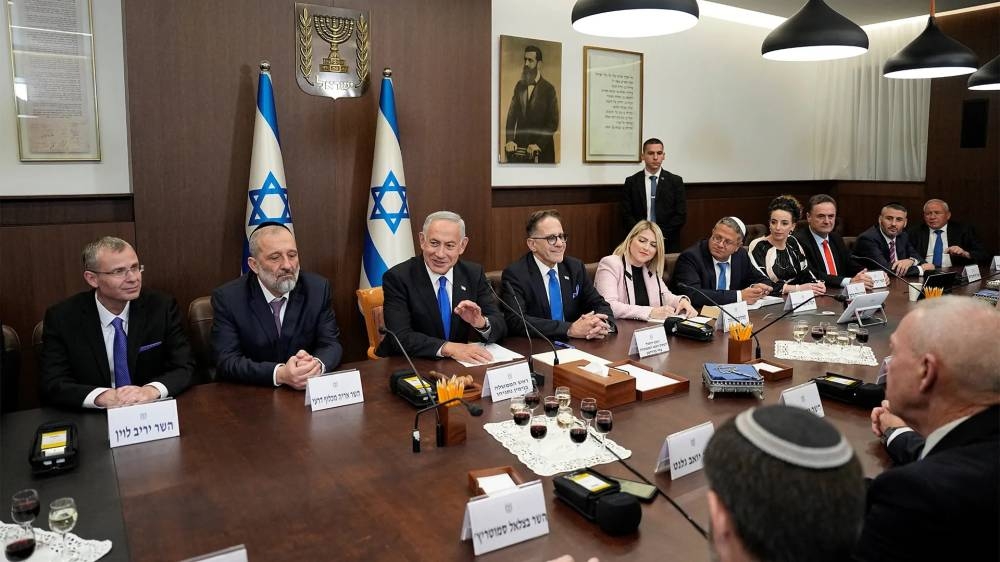
حكومة نتنياهو على المحك


تابع قناة عكاظ على الواتساب
«عكاظ» (غزة) OKAZ_ONLINE@
The government of Prime Minister Benjamin Netanyahu is facing a crisis that threatens the fragile coalition, as Hebrew media revealed that the "Agudat Israel" party announced its withdrawal from the government coalition, coinciding with the announcement by the "Degel Hatorah" party of its intention to resign as well; protesting a proposed law to exempt students of religious schools from military service, which has been described as exceeding previous agreements.
The newspaper "Israel Hayom" reported that the resignations of "Degel Hatorah" members will take effect within 48 hours, amid attempts to hold meetings in the coming hours to persuade the party to reconsider its decision and remain in the government.
The Israeli Broadcasting Authority stated that the leadership of "Degel Hatorah" confirmed its withdrawal despite political pressures, considering that the proposed law "exceeded what was agreed upon" and that the party "will not back down from its decision."
According to the newspaper "Maariv," Netanyahu now finds himself at the head of a narrow coalition composed of 61 members in the Knesset after a series of recent resignations, warning that if the "Shas" party also withdraws, the government will lose its majority and turn into a minority government consisting of only 50 members.
"Israel Hayom" reported that the implementation of the resignations of members of the "Yahadut HaTorah" party (which includes "Degel Hatorah" and "Agudat Israel") in the coming two days means that the coalition will face major challenges to remain stable amid the fragile majority within the Knesset.
The step taken by the six members of the Yahadut Hatorah party (United Torah Judaism) puts Netanyahu's religious-national government in a very weak position, as its majority in the Knesset has now become dependent on just one seat. Netanyahu now finds himself at the head of a narrow coalition of 61 members in the Knesset out of 120, following the recent series of resignations.
The party's withdrawal does not immediately threaten Netanyahu's government, but once it takes effect within 48 hours with the resignation of its ministers, Netanyahu will still enjoy a slim majority in a government that may now rely more on changes from two far-right parties.
These two parties oppose making concessions in ceasefire negotiations with Hamas and have withdrawn or threatened to withdraw from the government due to steps to end the war or even temporarily halt it in Gaza.
According to observers, the withdrawal step represents a strong political slap to Netanyahu, opening the door to several scenarios, the most prominent of which is the possibility of losing the parliamentary majority if his traditional ally, the "Agudat Israel" party, withdraws.
The current crisis once again reflects the fragility of the Israeli political system, as governments are often formed from heterogeneous party alliances, making them prone to collapse when internal disagreements arise.
Despite the fluctuations of Netanyahu's coalition over the past two and a half years, political shifts mean that finding alternatives for the "Yahadut Hatorah" party to join his government, which consists of right-wing and religious Jewish parties, will be extremely difficult.
Since 2019, Israel has witnessed five general elections amid sharp political polarization and difficulty in forming stable governments.
The current crisis is likely to lead to early elections, although constitutional procedures make it unlikely that they will be held for at least several months.
The newspaper "Israel Hayom" reported that the resignations of "Degel Hatorah" members will take effect within 48 hours, amid attempts to hold meetings in the coming hours to persuade the party to reconsider its decision and remain in the government.
The Israeli Broadcasting Authority stated that the leadership of "Degel Hatorah" confirmed its withdrawal despite political pressures, considering that the proposed law "exceeded what was agreed upon" and that the party "will not back down from its decision."
According to the newspaper "Maariv," Netanyahu now finds himself at the head of a narrow coalition composed of 61 members in the Knesset after a series of recent resignations, warning that if the "Shas" party also withdraws, the government will lose its majority and turn into a minority government consisting of only 50 members.
"Israel Hayom" reported that the implementation of the resignations of members of the "Yahadut HaTorah" party (which includes "Degel Hatorah" and "Agudat Israel") in the coming two days means that the coalition will face major challenges to remain stable amid the fragile majority within the Knesset.
The step taken by the six members of the Yahadut Hatorah party (United Torah Judaism) puts Netanyahu's religious-national government in a very weak position, as its majority in the Knesset has now become dependent on just one seat. Netanyahu now finds himself at the head of a narrow coalition of 61 members in the Knesset out of 120, following the recent series of resignations.
The party's withdrawal does not immediately threaten Netanyahu's government, but once it takes effect within 48 hours with the resignation of its ministers, Netanyahu will still enjoy a slim majority in a government that may now rely more on changes from two far-right parties.
These two parties oppose making concessions in ceasefire negotiations with Hamas and have withdrawn or threatened to withdraw from the government due to steps to end the war or even temporarily halt it in Gaza.
According to observers, the withdrawal step represents a strong political slap to Netanyahu, opening the door to several scenarios, the most prominent of which is the possibility of losing the parliamentary majority if his traditional ally, the "Agudat Israel" party, withdraws.
The current crisis once again reflects the fragility of the Israeli political system, as governments are often formed from heterogeneous party alliances, making them prone to collapse when internal disagreements arise.
Despite the fluctuations of Netanyahu's coalition over the past two and a half years, political shifts mean that finding alternatives for the "Yahadut Hatorah" party to join his government, which consists of right-wing and religious Jewish parties, will be extremely difficult.
Since 2019, Israel has witnessed five general elections amid sharp political polarization and difficulty in forming stable governments.
The current crisis is likely to lead to early elections, although constitutional procedures make it unlikely that they will be held for at least several months.


