


نفى السفير المبعوث الأمريكي توم براك، أن تكون واشنطن تخطّط للحفاظ على وجود عسكري إلى الأبد في سورية. وفي مقابلة مع وكالة «الأناضول» قال براك: لدينا وجود عسكري في سورية، إلا أننا لا نهدف إلى الحفاظ على هذا الوجود إلى أجل غير مسمى.
وحول المخاطر التي تكتنف عملية الاندماج في سورية، أعرب براك عن اعتقاده أن هذه فترة انتقالية لم يتحقق فيها التوافق منذ سبعة أشهر، لافتاً إلى أن هناك قلق من استمرار المخاوف السابقة في المستقبل.
ونقلت الوكالة عن براك قوله في تصريحات أدلى بها في نيويورك لمجموعة من الصحفيين: إن هناك تعاطفاً في أوساط من الكونغرس حيال تنظيم «قسد»، وإن الولايات المتحدة تسعى إلى دمج هذا الكيان ضمن الحكومة السورية. وأوضح أن «هذا الأمر لا يعني أن هناك مؤشراً على إقامة كردستان حرة في سورية، ولا يعني إقامة دولة قسد منفصلة، أو دولة علوية أو درزية مستقلة، الجميع سيكون ضمن هيكل سورية، التي سيصبح لها دستورها وبرلمانها الخاص».
وأضاف أن الولايات المتحدة تحالفت سابقاً مع «قسد» من أجل مكافحة تنظيم «داعش» الإرهابي، ولهذا هناك شعور سائد أننا كنا شركاء معهم، ونحن مدينون لهم، لكن السؤال الأهم: «بماذا ندين لهم؟ لسنا مدينين لهم بحق إقامة إدارة مستقلة داخل دولة».
وفي سياق آخر، اعتبر براك أن لبنان يواجه تهديداً وجوديّاً، وإذا لم يتحرك فقد يعود إلى «بلاد الشام» مرة أخرى، وفق قوله. وحذّر في حديثه لصحيفة «ذا ناشيونال»، من أن لبنان يُواجه خطر الوقوع في قبضة القوى الإقليمية ما لم تتحرك بيروت لمعالجة مخزونات أسلحة حزب الله. وشدد أن لبنان بحاجة إلى حل هذه القضية، وإلاّ فقد يواجه تهديداً وجوديّاً. وقال: «لديك إسرائيل من جهة، إيران من جهة أخرى، والآن لديك سورية التي تتجلى بسرعة كبيرة، لدرجة أنه إذا لم يتحرك لبنان، فسيصبح مرة أخرى بلاد الشام». وأضاف براك: «السوريون يقولون إن لبنان هو منتجعنا الساحلي. لذلك نحن بحاجة للتحرك، وأنا أعرف مدى إحباط الشعب اللبناني. هذا يزعجني».
وأفاد بأن الولايات المتحدة والسعودية وقطر جاهزون لمساعدة لبنان إذا بادر الأخير بالتحرك.
وقال المبعوث الأمريكي: إن أي محاولة لنزع سلاح حزب الله بشكل كامل قد تثير اضطرابات وتؤدي إلى حرب أهلية. واقترح أن يتفق الحزب على نزع أسلحته الثقيلة، بما في ذلك الصواريخ والطائرات من دون طيار، وتسليمها لمخازن مراقبة تحت آلية تشمل الولايات المتحدة وفرنسا وإسرائيل والجيش اللبناني.
وقدم براك الشهر الماضي اقتراحاً للسلطات اللبنانية يتضمن نزع سلاح حزب الله، وإجراء إصلاحات اقتصادية للمساعدة على الخروج من أزمة مالية استمرت 6 سنوات، وهي من الأسوأ في التاريخ الحديث.
المبعوث الأمريكي: نتعاطف مع «قسد».. ولا «كردستان حرة» في سورية
12 يوليو 2025 - 16:25
|
آخر تحديث 12 يوليو 2025 - 16:25
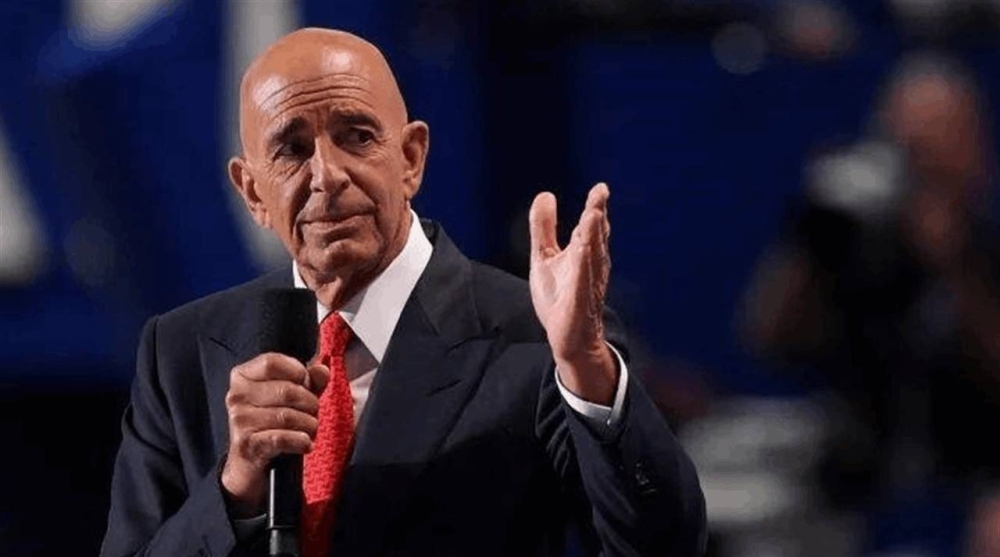
توم براك


تابع قناة عكاظ على الواتساب
«عكاظ» وكالات (جدة) okaz-online@
The U.S. envoy Tom Barak denied that Washington is planning to maintain a military presence in Syria indefinitely. In an interview with the Anadolu Agency, Barak said: "We have a military presence in Syria, but we do not aim to maintain this presence indefinitely."
Regarding the risks associated with the integration process in Syria, Barak expressed his belief that this is a transitional period where consensus has not been achieved for seven months, noting that there are concerns about the continuation of previous fears in the future.
The agency quoted Barak as saying in statements made in New York to a group of journalists: "There is sympathy in some circles of Congress towards the SDF (Syrian Democratic Forces), and the United States is seeking to integrate this entity within the Syrian government." He clarified that "this does not mean that there is an indication of establishing a free Kurdistan in Syria, nor does it mean establishing a separate SDF state, or an independent Alawite or Druze state; everyone will be part of the structure of Syria, which will have its own constitution and parliament."
He added that the United States had previously allied with the SDF to combat the terrorist organization ISIS, and therefore there is a prevailing feeling that we were partners with them, and we owe them, but the more important question is: "What do we owe them? We do not owe them the right to establish an independent administration within a state."
In another context, Barak considered that Lebanon faces an existential threat, and if it does not act, it may return to "Greater Syria" again, according to his statement. He warned in an interview with The National newspaper that Lebanon is at risk of falling under the grip of regional powers unless Beirut takes action to address Hezbollah's stockpiles of weapons. He emphasized that Lebanon needs to resolve this issue, otherwise it may face an existential threat. He said: "You have Israel on one side, Iran on the other, and now you have Syria which is emerging very quickly, to the extent that if Lebanon does not act, it will become Greater Syria again." Barak added: "The Syrians say that Lebanon is our coastal resort. So we need to act, and I know how frustrated the Lebanese people are. This bothers me."
He reported that the United States, Saudi Arabia, and Qatar are ready to assist Lebanon if the latter takes the initiative to act.
The U.S. envoy stated that any attempt to fully disarm Hezbollah could provoke unrest and lead to a civil war. He suggested that the party agree to disarm its heavy weapons, including missiles and drones, and hand them over to monitored storage under a mechanism that includes the United States, France, Israel, and the Lebanese army.
Last month, Barak presented a proposal to the Lebanese authorities that includes disarming Hezbollah and implementing economic reforms to help emerge from a financial crisis that has lasted for six years, one of the worst in modern history.
Regarding the risks associated with the integration process in Syria, Barak expressed his belief that this is a transitional period where consensus has not been achieved for seven months, noting that there are concerns about the continuation of previous fears in the future.
The agency quoted Barak as saying in statements made in New York to a group of journalists: "There is sympathy in some circles of Congress towards the SDF (Syrian Democratic Forces), and the United States is seeking to integrate this entity within the Syrian government." He clarified that "this does not mean that there is an indication of establishing a free Kurdistan in Syria, nor does it mean establishing a separate SDF state, or an independent Alawite or Druze state; everyone will be part of the structure of Syria, which will have its own constitution and parliament."
He added that the United States had previously allied with the SDF to combat the terrorist organization ISIS, and therefore there is a prevailing feeling that we were partners with them, and we owe them, but the more important question is: "What do we owe them? We do not owe them the right to establish an independent administration within a state."
In another context, Barak considered that Lebanon faces an existential threat, and if it does not act, it may return to "Greater Syria" again, according to his statement. He warned in an interview with The National newspaper that Lebanon is at risk of falling under the grip of regional powers unless Beirut takes action to address Hezbollah's stockpiles of weapons. He emphasized that Lebanon needs to resolve this issue, otherwise it may face an existential threat. He said: "You have Israel on one side, Iran on the other, and now you have Syria which is emerging very quickly, to the extent that if Lebanon does not act, it will become Greater Syria again." Barak added: "The Syrians say that Lebanon is our coastal resort. So we need to act, and I know how frustrated the Lebanese people are. This bothers me."
He reported that the United States, Saudi Arabia, and Qatar are ready to assist Lebanon if the latter takes the initiative to act.
The U.S. envoy stated that any attempt to fully disarm Hezbollah could provoke unrest and lead to a civil war. He suggested that the party agree to disarm its heavy weapons, including missiles and drones, and hand them over to monitored storage under a mechanism that includes the United States, France, Israel, and the Lebanese army.
Last month, Barak presented a proposal to the Lebanese authorities that includes disarming Hezbollah and implementing economic reforms to help emerge from a financial crisis that has lasted for six years, one of the worst in modern history.


