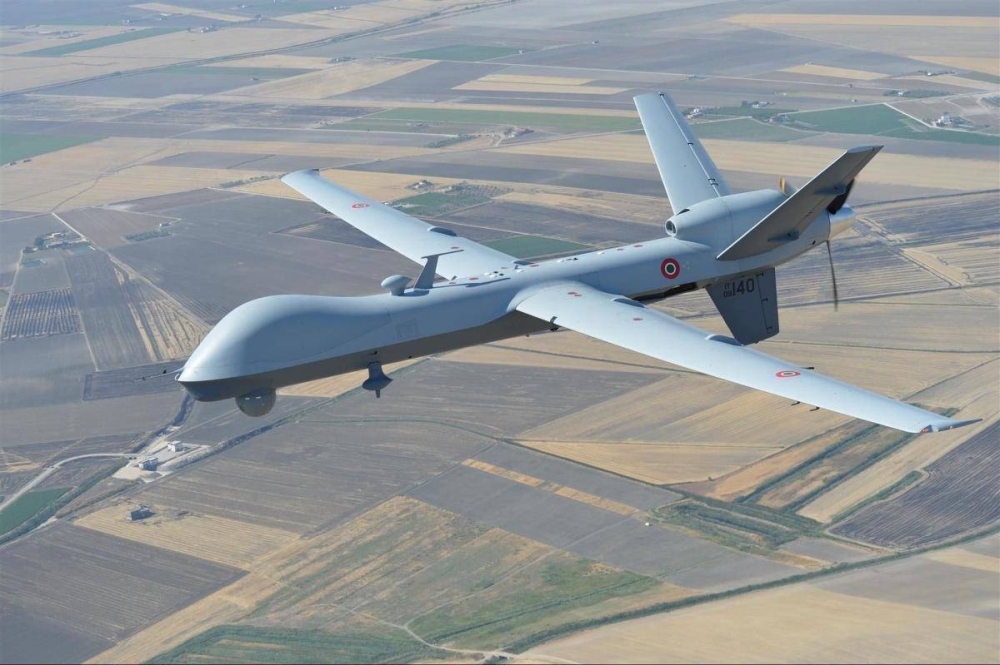
في تطور لافت، وجَّه وزير الدفاع الأمريكي بيت هيغسيث بتسريع إنتاج ونشر الطائرات المسيّرة العسكرية، متعهداً بتجاوز ما وصفها بالقيود البيروقراطية الذاتية التي كبلت قدرات القوات المسلحة في هذا المجال.
وبحسب مذكرتين اطلعت عليهما شبكة «فوكس نيوز» الإخبارية، ألغى هيغسيث سياسات سابقة كانت تقيد استخدام هذا النوع من الأسلحة، مؤكداً أن «القيود المفروضة ذاتياً لن تعيق بعد اليوم القدرة على القتل، بدأت القفازات البيروقراطية في الوزارة في التساقط».
وحذر وزير الدفاع من أن خصوم الولايات المتحدة، خصوصاً روسيا والصين، باتوا يمتلكون «الأسبقية» في هذا المجال، لافتاً إلى أنهم ينتجون ملايين الطائرات من دون طيار الرخيصة سنوياً، «فيما لا تزال وحداتنا تفتقر إلى القدرات اللازمة لخوض معارك الطائرات الصغيرة القاتلة».
وزير الدفاع الأمريكي.
ورغم النمو الكبير في إنتاج هذا النوع من الطائرات خلال السنوات الثلاث الماضية، لفت وزير الدفاع إلى أن الإدارة السابقة فشلت في نشر هذه الأنظمة على نطاق واسع وبوتيرة سريعة.
وأعرب هيغسيث عن أمله أن تعود الولايات المتحدة إلى صدارة هذا المجال بحلول نهاية عام 2027، مؤكداً أن المسيّرات الصغيرة باتت تشكل عناصر قوة حاسمة، ويجب أن تحظى بأولوية تعادل أنظمة الأسلحة الرئيسية.
وشدد على أن النجاح في هذا التوجه يتطلب ثقافة جديدة داخل وزارة الدفاع قوامها الجرأة على الابتكار والتسريع من دون تردد، لافتاً إلى أن كبار الضباط سيكونون مسؤولين عن تحديد النبرة وتبني هذا المسار.
وبموجب الإجراءات الجديدة، سوف يسمح للقادة الميدانيين برتبة عقيد أو نقيب بالحصول على مسيّرات واختبارها بشكل مستقل، بما في ذلك نماذج أولية مصنوعة بتقنية الطباعة ثلاثية الأبعاد أو نماذج تجارية جاهزة، شرط أن تستوفي معايير الجودة المطلوبة.
واعتبر وزير الدفاع هذه النقلة بمثابة «تحول الطائرات الصغيرة من أصول عسكرية عالية التعقيد إلى مواد استهلاكية قابلة للنشر الفوري»، من دون الحاجة لعمليات الفحص المكثفة السابقة.
In a notable development, U.S. Defense Secretary Pete Hegseth has directed the acceleration of the production and deployment of military drones, pledging to overcome what he described as self-imposed bureaucratic constraints that have hindered the armed forces' capabilities in this area.
According to two memos reviewed by the Fox News network, Hegseth canceled previous policies that restricted the use of this type of weaponry, asserting that "self-imposed restrictions will no longer hinder the ability to kill; the bureaucratic gloves in the department have started to come off."
The Defense Secretary warned that U.S. adversaries, particularly Russia and China, now have the "advantage" in this field, noting that they produce millions of cheap drones annually, "while our units still lack the necessary capabilities to engage in lethal small drone battles."
وزير الدفاع الأمريكي.
Despite the significant growth in the production of this type of drone over the past three years, the Defense Secretary pointed out that the previous administration failed to deploy these systems widely and at a rapid pace.
Hegseth expressed hope that the United States would regain its leadership in this field by the end of 2027, emphasizing that small drones have become critical power elements and should be prioritized alongside major weapon systems.
He stressed that success in this direction requires a new culture within the Department of Defense characterized by the courage to innovate and accelerate without hesitation, noting that senior officers will be responsible for setting the tone and adopting this path.
Under the new procedures, field commanders with the rank of colonel or captain will be allowed to acquire and independently test drones, including prototypes made with 3D printing technology or ready commercial models, provided they meet the required quality standards.
The Defense Secretary considered this shift as a "transformation of small drones from highly complex military assets to consumable materials ready for immediate deployment," without the need for the extensive prior inspections.