


أعلن جهاز مكافحة الإرهاب العراقي، اليوم (الجمعة)، توقيع مذكرة تعاون وتنسيق مشترك مع وزارة الهجرة والمهجرين، بهدف تنسيق عمليات عودة وتأهيل وإعادة الدمج المجتمعي للعائدين من مخيمات النزوح في سورية، الأمر الذي أثار مخاوف من احتمالات حدوث مجازر انتقامية.
وتصاعدت التحذيرات للحكومة العراقية من مخاطر إعادة عائلات عناصر «داعش» من مخيم الهول السوري، خوفاً من أن تشكل عائلات داعش بيئة خصبة للثأر والانتقام.
وقال بيان أصدره شيوخ عشائر محافظة صلاح الدين إن بعض عائلات عناصر داعش الموجودة في مخيمي الهول والجدعة في سورية هي عائلات أيديها ملطخة بالدماء، محذراً من أن إعادتها إلى العراق ستفتح أبواب الثارات العشائرية، الأمر الذي سيعيد العراق إلى المربع الأول.
ودعا البيان الحكومة العراقية إلى التأني في إعادة هذه العائلات، إلا أن مصدراً حكومياً كشف لـ«عكاظ» أن الحكومة لن تعيد عائلات داعش إلى مناطق سكنهم القديمة، وأنها تبحث عن آلية إقامة جديدة لهم تكون في محافظات خارج محافظاتهم، على أن يوضعوا تحت الرقابة الأمنية المشددة.
من جانبهم، قال برلمانيون عراقيون إن ملف إعادة عائلات داعش إلى العراق لا يخلو من محاذير حقيقية، ولفتوا إلى أن هناك ثارات قديمة ومطلوبين للعدالة لا يمكنهم العودة أساساً فيعاد بدلاً عنهم أفراد أسرهم، ما يثير حساسيات مجتمعية وعشائرية يصعب تجاوزها.
وسط مخاوف من الانتقام
العراق يبدأ إعادة عائلات «داعش» من مخيم الهول
11 يوليو 2025 - 17:35
|
آخر تحديث 11 يوليو 2025 - 17:35
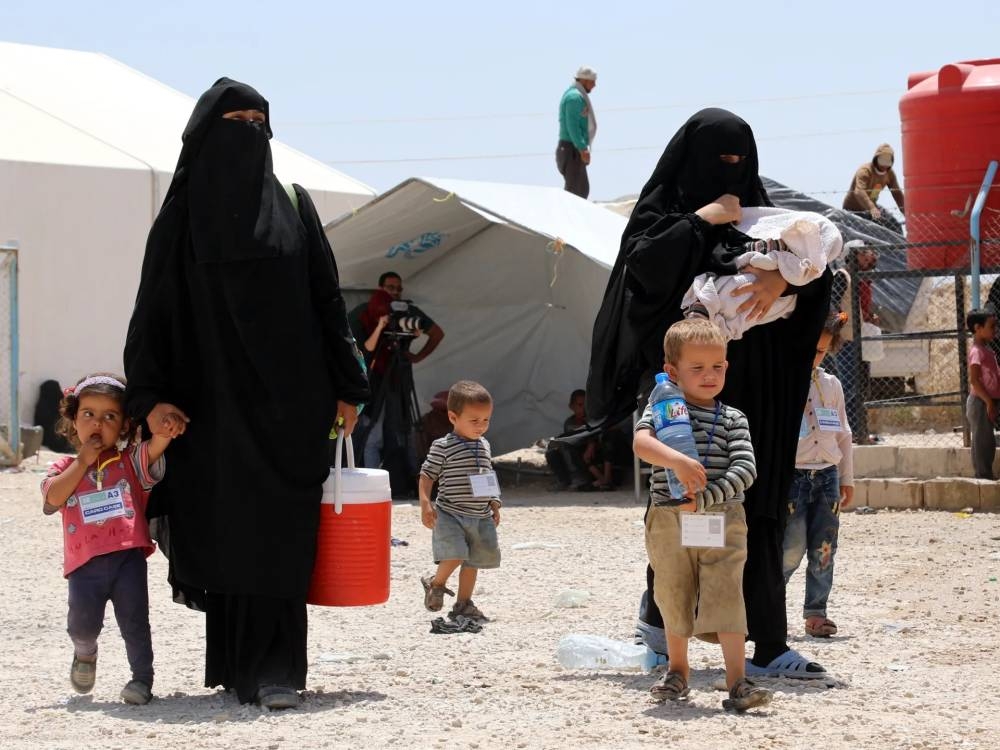
برلمانيون عراقيون يرون أن ملف إعادة عائلات داعش لا يخلو من محاذير حقيقية


تابع قناة عكاظ على الواتساب
رياض منصور (بغداد)okaz_online@
The Iraqi Counter-Terrorism Service announced today (Friday) the signing of a memorandum of cooperation and joint coordination with the Ministry of Migration and Displaced Persons, aimed at coordinating the processes of return, rehabilitation, and community reintegration for those returning from displacement camps in Syria, a move that has raised fears of potential retaliatory massacres.
Warnings have intensified for the Iraqi government regarding the risks of repatriating the families of ISIS members from the Al-Hol camp in Syria, fearing that these families could create a fertile environment for revenge and retaliation.
A statement issued by the tribal leaders of Salah al-Din province indicated that some families of ISIS members residing in the Al-Hol and Al-Jadaa camps in Syria have blood on their hands, warning that their return to Iraq would open the doors to tribal vendettas, which would bring Iraq back to square one.
The statement urged the Iraqi government to be cautious in repatriating these families; however, a government source revealed to “Okaz” that the government will not return ISIS families to their old residential areas and is seeking a new settlement mechanism for them in provinces outside their own, with strict security monitoring in place.
For their part, Iraqi parliamentarians stated that the issue of repatriating ISIS families to Iraq is fraught with real dangers, noting that there are longstanding vendettas and individuals wanted by justice who cannot return, leading to the repatriation of their family members instead, which raises community and tribal sensitivities that are difficult to overcome.
Warnings have intensified for the Iraqi government regarding the risks of repatriating the families of ISIS members from the Al-Hol camp in Syria, fearing that these families could create a fertile environment for revenge and retaliation.
A statement issued by the tribal leaders of Salah al-Din province indicated that some families of ISIS members residing in the Al-Hol and Al-Jadaa camps in Syria have blood on their hands, warning that their return to Iraq would open the doors to tribal vendettas, which would bring Iraq back to square one.
The statement urged the Iraqi government to be cautious in repatriating these families; however, a government source revealed to “Okaz” that the government will not return ISIS families to their old residential areas and is seeking a new settlement mechanism for them in provinces outside their own, with strict security monitoring in place.
For their part, Iraqi parliamentarians stated that the issue of repatriating ISIS families to Iraq is fraught with real dangers, noting that there are longstanding vendettas and individuals wanted by justice who cannot return, leading to the repatriation of their family members instead, which raises community and tribal sensitivities that are difficult to overcome.


