


لايزال خبراء من الوكالة الأمريكية التي تقف وراء القنابل الخارقة للتحصينات، التي استهدفت في يونيو ثلاث منشآت نووية إيرانية، ينتظرون بيانات دقيقة حول حجم الأضرار التي لحقت بتلك المنشآت.
وأعلن مسؤولون من وكالة الحد من التهديدات الدفاعية للصحفيين في إيجاز صحفي، أمس (الخميس)، أنهم لا يملكون حاليا تفاصيل حول ما إذا كانت الذخائر الخارقة للتحصينات قد اخترقت العمق الذي كانت مخصصة له، أم لا.
وما زال حجم الأضرار التي لحقت بالمنشآت النووية الإيرانية محل جدل، ففيما
أكد الرئيس الأمريكي دونالد ترمب «محواً كاملاً» للمنشآت، رجح تقييم أولي سري أجرته وكالة استخبارات الدفاع الأمريكية، أن البرنامج النووي الإيراني قد يكون قد تأخر بضعة أشهر فقط. وهاجم البيت الأبيض بشدة نشر نتائج التقرير، واصفا النتائج بـ«الأخبار الكاذبة».
وفي موسكو، ذكرت وزارة الخارجية الروسية، أن واشنطن وطهران أخذتا بشكل جدي المقترح الروسي حول نقل فائض اليورانيوم من إيران. وأضافت أن إيران مصرة على حقها بتخصيب اليورانيوم على أراضيها، مقترحة أن يتم جعل اليورانيوم الإيراني المخصب منتجا تجاريا.
ونقلت وسائل إعلام روسية عن نائب وزير الخارجية الروسي سيرغي ريابكوف، قوله، اليوم (الجمعة): إنه تم أخذ بشكل جدي من جانب واشنطن وطهران والوكالة الدولية للطاقة الذرية اقتراح روسيا حول نقل فائض اليورانيوم من إيران، لكن الأمر لم يصل بعد إلى الدخول في التفاصيل.
وأضاف: «نقلنا الاقتراح إلى الجانبين، وكذلك الوكالة الدولية للطاقة الذرية»، موضحا أن فكرته تكمن في حل مشكلتين في آن واحد، الأولى هي أن الجانب الإيراني، يصر بقوة على أهمية الحفاظ على الحق في القيام بأعمال التخصيب على أراضيه. والثانية هي أننا نرى أن هناك معارضين لطهران يعربون عن قلقهم الشديد إزاء تراكم اليورانيوم المخصب في أراضي إيران فوق المستويات التي تستخدم عادة في تصنيع الوقود للمفاعلات النووية.
ولفت ريابكوف إلى أنه إذا تمكنت روسيا من نقل هذه المواد وتنفيذ العمل المطلوب لإنتاج الوقود منها أو إدارتها بطريقة تجعلها منتجا تجاريا قابلا للبيع، فسيكون ذلك حلا فعالا لهاتين المشكلتين في آن واحد.
من جهته، شدد وزيرُ الخارجية الإيراني عباس عراقجي في مقابلة مع صحيفة «لوموند» الفرنسية، على أن بلادَه ماضيةٌ في تخصيب اليورانيوم، وأنها لن تتخلى عن برنامَجِها الصاروخي، واصفاً إياه بأنه جزءٌ لا يتجزأً من قدراتِها الدفاعية والردعية.
مسؤولون أمريكيون: لا معلومات حول حجم الأضرار بالمنشآت النووي الإيرانية
11 يوليو 2025 - 12:02
|
آخر تحديث 11 يوليو 2025 - 12:02
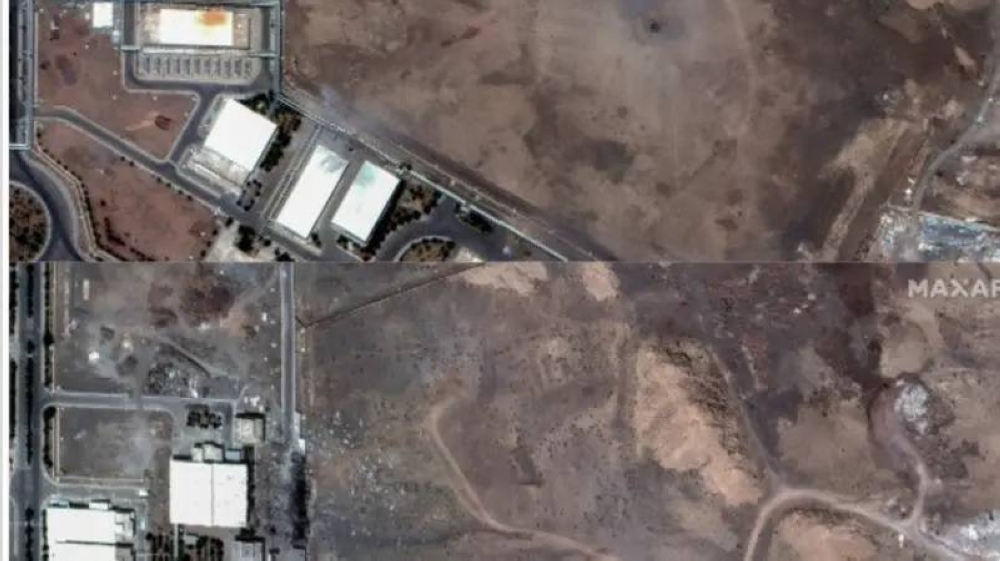
منشأة نووية إيرانية.


تابع قناة عكاظ على الواتساب
«عكاظ» وكالات (جدة،عواصم) okaz_online@
Experts from the American agency behind the bunker-busting bombs, which targeted three Iranian nuclear facilities in June, are still waiting for accurate data on the extent of the damage inflicted on those facilities.
Officials from the Defense Threat Reduction Agency announced to reporters in a press briefing yesterday (Thursday) that they currently do not have details on whether the bunker-busting munitions penetrated the depth they were intended for or not.
The extent of the damage to the Iranian nuclear facilities remains a matter of debate, as while
U.S. President Donald Trump confirmed a "complete obliteration" of the facilities, a preliminary secret assessment conducted by the U.S. Defense Intelligence Agency suggested that the Iranian nuclear program may have been delayed by only a few months. The White House strongly criticized the publication of the report's findings, describing them as "fake news".
In Moscow, the Russian Foreign Ministry stated that Washington and Tehran have taken the Russian proposal regarding the transfer of surplus uranium from Iran seriously. It added that Iran insists on its right to enrich uranium on its territory, suggesting that Iranian enriched uranium be made a commercial product.
Russian media quoted Deputy Foreign Minister Sergey Ryabkov as saying today (Friday) that Washington, Tehran, and the International Atomic Energy Agency have taken Russia's proposal regarding the transfer of surplus uranium from Iran seriously, but the matter has not yet reached the stage of discussing details.
He added: "We conveyed the proposal to both sides, as well as to the International Atomic Energy Agency," explaining that his idea aims to solve two problems at once. The first is that the Iranian side strongly insists on the importance of maintaining the right to carry out enrichment activities on its territory. The second is that we see that there are opponents of Tehran expressing their deep concern regarding the accumulation of enriched uranium in Iran beyond the levels typically used for manufacturing fuel for nuclear reactors.
Ryabkov pointed out that if Russia can transfer these materials and carry out the necessary work to produce fuel from them or manage them in a way that makes them a commercially viable product, it would be an effective solution to both of these problems simultaneously.
For his part, Iranian Foreign Minister Abbas Araghchi emphasized in an interview with the French newspaper "Le Monde" that his country is proceeding with uranium enrichment and will not abandon its missile program, describing it as an integral part of its defensive and deterrent capabilities.
Officials from the Defense Threat Reduction Agency announced to reporters in a press briefing yesterday (Thursday) that they currently do not have details on whether the bunker-busting munitions penetrated the depth they were intended for or not.
The extent of the damage to the Iranian nuclear facilities remains a matter of debate, as while
U.S. President Donald Trump confirmed a "complete obliteration" of the facilities, a preliminary secret assessment conducted by the U.S. Defense Intelligence Agency suggested that the Iranian nuclear program may have been delayed by only a few months. The White House strongly criticized the publication of the report's findings, describing them as "fake news".
In Moscow, the Russian Foreign Ministry stated that Washington and Tehran have taken the Russian proposal regarding the transfer of surplus uranium from Iran seriously. It added that Iran insists on its right to enrich uranium on its territory, suggesting that Iranian enriched uranium be made a commercial product.
Russian media quoted Deputy Foreign Minister Sergey Ryabkov as saying today (Friday) that Washington, Tehran, and the International Atomic Energy Agency have taken Russia's proposal regarding the transfer of surplus uranium from Iran seriously, but the matter has not yet reached the stage of discussing details.
He added: "We conveyed the proposal to both sides, as well as to the International Atomic Energy Agency," explaining that his idea aims to solve two problems at once. The first is that the Iranian side strongly insists on the importance of maintaining the right to carry out enrichment activities on its territory. The second is that we see that there are opponents of Tehran expressing their deep concern regarding the accumulation of enriched uranium in Iran beyond the levels typically used for manufacturing fuel for nuclear reactors.
Ryabkov pointed out that if Russia can transfer these materials and carry out the necessary work to produce fuel from them or manage them in a way that makes them a commercially viable product, it would be an effective solution to both of these problems simultaneously.
For his part, Iranian Foreign Minister Abbas Araghchi emphasized in an interview with the French newspaper "Le Monde" that his country is proceeding with uranium enrichment and will not abandon its missile program, describing it as an integral part of its defensive and deterrent capabilities.


