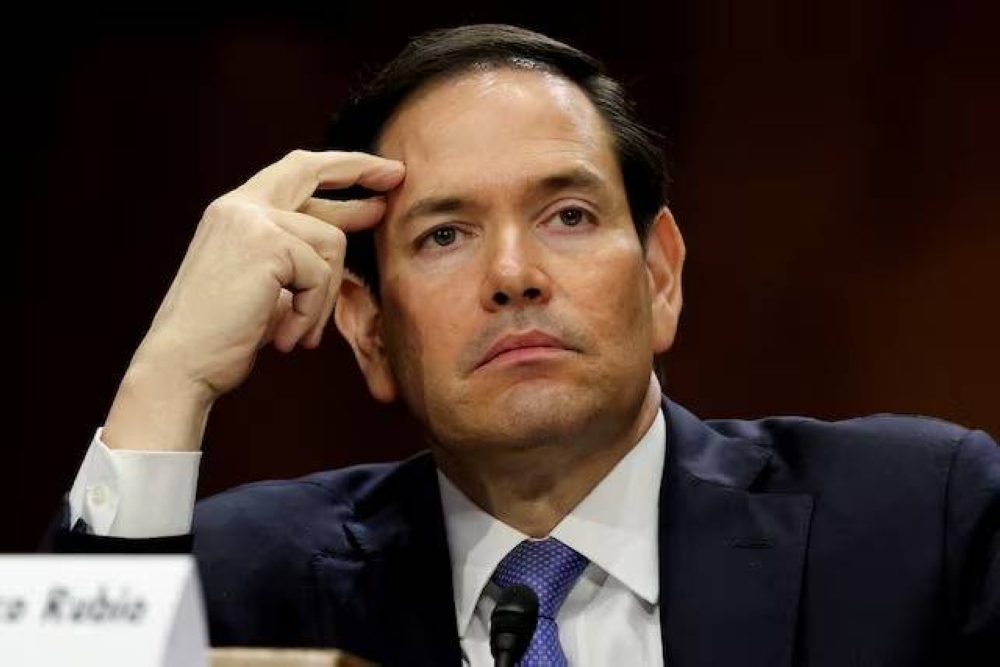
كشف تقرير دبلوماسي، اطلعت عليه وكالة «رويترز»، أن شخصًا استخدم صوتًا مزيفًا تم إنشاؤه بواسطة الذكاء الاصطناعي لانتحال شخصية وزير الخارجية الأمريكي ماركو روبيو، حيث تواصل في منتصف يونيو الماضي مع ثلاثة وزراء خارجية ومسؤولين أمريكيين، مدعيًا أنه كبير الدبلوماسيين الأمريكيين.
استخدم الجاني تطبيق «سيجنال» لإرسال رسائل نصية وتسجيلات صوتية لاثنين على الأقل من المستهدفين، بما في ذلك دعوة نصية للتواصل عبر التطبيق.
وأشار التقرير إلى أن الهدف المحتمل لهذه العملية كان التلاعب بالأفراد المستهدفين باستخدام تقنيات الذكاء الاصطناعي للوصول إلى معلومات حساسة أو حساباتهم الشخصية.
وتأتي هذه الحادثة بعد أزمة سابقة شهدتها الإدارة الأمريكية عندما أُضيف صحفي عن طريق الخطأ إلى مجموعة دردشة على «سيجنال» أنشأها مستشار الأمن القومي السابق مايك والتز، حيث تم تسريب معلومات حول ضربات عسكرية في اليمن.
وأوضح التقرير أنه لا توجد تهديدات سيبرانية مباشرة على وزارة الخارجية من هذه الحملة، لكن المعلومات التي يتم مشاركتها مع أطراف ثالثة قد تتعرض للخطر إذا تم اختراق الأفراد المستهدفين.
وأوصى التقرير الدبلوماسي، المؤرخ في 3 يوليو، جميع البعثات الدبلوماسية والقنصلية بتحذير الشركاء الخارجيين من الحسابات المزيفة والانتحالات.
ولم يكشف التقرير عن هويات وزراء الخارجية أو السياسيين الأمريكيين المستهدفين، لكن مسؤولًا كبيرًا بوزارة الخارجية أكد أن الوزارة تحقق في الحادثة وتتخذ خطوات مستمرة لتعزيز الأمن السيبراني.
وفي سياق متصل، حذر مكتب التحقيقات الفيدرالي (FBI) في مايو الماضي من استخدام أشخاص لرسائل نصية وصوتية مزيفة لانتحال شخصيات مسؤولين أمريكيين كبار بهدف اختراق حسابات حكومية.
كما أشار التقرير إلى حملة أخرى في أبريل نسبت إلى هاكر مرتبط بجهاز المخابرات الروسية، حيث استخدم بريدًا إلكترونيًا مزيفًا يحمل شعار وزارة الخارجية وعناوين مشابهة للرسائل الرسمية، مستهدفًا مراكز أبحاث ونشطاء في شرق أوروبا ومسؤولين سابقين. وأظهر الجاني معرفة دقيقة بتفاصيل داخلية تخص الوزارة.
A diplomatic report, which was reviewed by Reuters, revealed that an individual used a fake voice generated by artificial intelligence to impersonate U.S. Secretary of State Marco Rubio, as they communicated in mid-June with three foreign ministers and U.S. officials, claiming to be a senior U.S. diplomat.
The perpetrator used the "Signal" app to send text messages and audio recordings to at least two of the targets, including a text invitation to communicate via the app.
The report indicated that the potential goal of this operation was to manipulate the targeted individuals using AI techniques to gain access to sensitive information or their personal accounts.
This incident follows a previous crisis faced by the U.S. administration when a journalist was accidentally added to a chat group on "Signal" created by former National Security Advisor Mike Waltz, where information about military strikes in Yemen was leaked.
The report clarified that there are no direct cyber threats to the State Department from this campaign, but the information shared with third parties could be at risk if the targeted individuals are compromised.
The diplomatic report, dated July 3, recommended that all diplomatic and consular missions warn external partners about fake accounts and impersonations.
The report did not disclose the identities of the foreign ministers or U.S. politicians targeted, but a senior State Department official confirmed that the department is investigating the incident and taking ongoing steps to enhance cybersecurity.
In a related context, the FBI warned last May about individuals using fake text and voice messages to impersonate senior U.S. officials with the aim of breaching government accounts.
The report also mentioned another campaign in April attributed to a hacker linked to Russian intelligence, who used a fake email bearing the State Department's logo and addresses similar to official messages, targeting think tanks, activists in Eastern Europe, and former officials. The perpetrator demonstrated precise knowledge of internal details concerning the department.