


أعلن مكتب مراقبة الأصول الأجنبية التابع لوزارة الخزانة الأمريكية اليوم (الخميس) فرض عقوبات على 7 من كبار مسؤولي حزب الله وكيان واحد مرتبط بمؤسسة القرض الحسن المالية التي يسيطر عليها الحزب.
وأوضحت الوزارة في بيان على موقعها الإلكتروني أن هؤلاء المسؤولين المعاقبين في مناصب إدارية عليا سهلوا التهرب من العقوبات الأمريكية، ما مكن حزب الله من الوصول إلى النظام المالي الرسمي، مؤكدة أن إجراء اليوم في إطار التزام وزارة الخزانة بتعطيل مخططات حزب الله للتهرب من العقوبات ودعم الجهود التي تبذلها الحكومة اللبنانية الجديدة للحد من نفوذ الجماعة الإرهابية، لاسيما مع استمرار كيانات مثل تنظيم القاعدة في تقويض الاقتصاد اللبناني الهش بالفعل.
وقال نائب وزير الخارجية الأمريكي مايكل فولكندر: «من خلال أدوارهم في القرض الحسن سعى هؤلاء المسؤولون إلى التعتيم على مصلحة حزب الله في المعاملات التي تبدو مشروعة في المؤسسات المالية اللبنانية، ما يعرض هذه البنوك لمخاطر كبيرة تتعلق بغسل الأموال وتمويل الإرهاب مع السماح لحزب الله بتحويل الأموال لمصلحته الخاصة»، مضيفاً: «بينما يسعى حزب الله للحصول على المال لإعادة بناء عملياته، تظل وزارة الخزانة ملتزمة بقوة بتفكيك البنية التحتية المالية للحزب والحد من قدرته على إعادة تشكيل نفسه».
وبحسب البيان فإن للمستهدفين اليوم أدواراً في أنشطة المنظمة الداعمة لحزب الله، وقد ارتبط بعضهم بالقاعدة لأكثر من عقدين من الزمن، إضافة إلى عملهم مع القاعدة، وكان لدى العديد منهم في السابق حسابات مصرفية مشتركة في مؤسسات مالية لبنانية بالتنسيق مع الشركات التابعة الأخرى للقاعدة وأجروا ملايين الدولارات في معاملات استفاد منها في النهاية حزب الله، ولكنه حجبها.
الخزانة الأمريكية تعاقب كياناً و7 من قيادات حزب الله
3 يوليو 2025 - 18:48
|
آخر تحديث 3 يوليو 2025 - 18:48
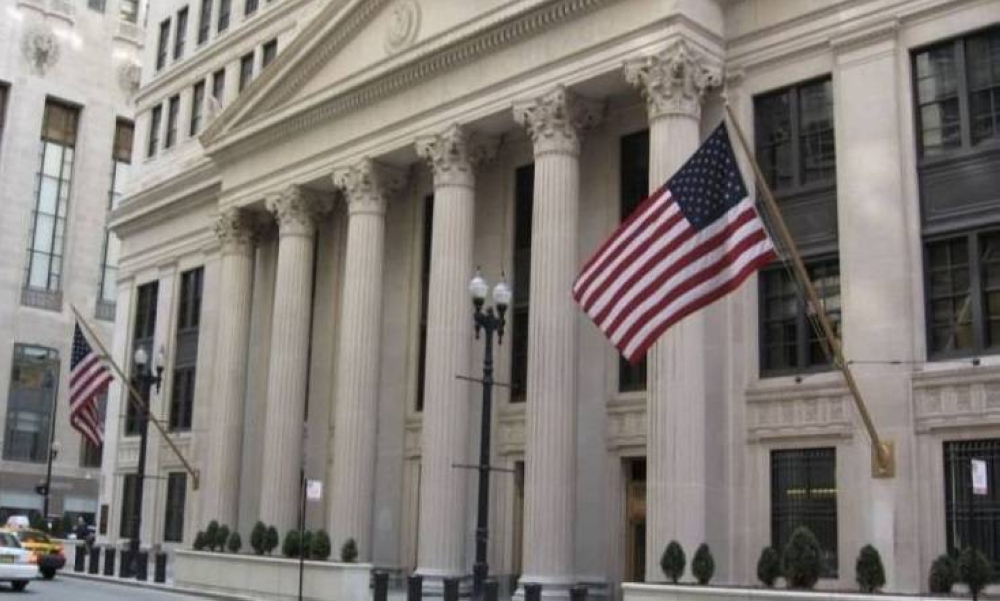
الخزانة الأمريكية.


تابع قناة عكاظ على الواتساب
«عكاظ» (جدة) okaz_online@
The U.S. Department of the Treasury's Office of Foreign Assets Control announced today (Thursday) sanctions against 7 senior officials of Hezbollah and one entity linked to the financial institution Al-Qard Al-Hassan, which is controlled by the party.
The department clarified in a statement on its website that these sanctioned officials in senior management positions facilitated evasion of U.S. sanctions, enabling Hezbollah to access the formal financial system. It emphasized that today's action is part of the Treasury's commitment to disrupt Hezbollah's schemes to evade sanctions and support the efforts of the new Lebanese government to limit the influence of the terrorist group, especially as entities like Al-Qaeda continue to undermine the already fragile Lebanese economy.
U.S. Deputy Secretary of State Michael Folker stated: "Through their roles in Al-Qard Al-Hassan, these officials sought to obscure Hezbollah's interest in transactions that appear legitimate in Lebanese financial institutions, exposing these banks to significant risks related to money laundering and terrorist financing while allowing Hezbollah to transfer funds for its own benefit." He added: "As Hezbollah seeks to obtain money to rebuild its operations, the Treasury remains firmly committed to dismantling the party's financial infrastructure and limiting its ability to reconstitute itself."
According to the statement, the targets today have roles in activities supporting Hezbollah, and some of them have been linked to Al-Qaeda for over two decades. In addition to their work with Al-Qaeda, many of them previously had joint bank accounts in Lebanese financial institutions in coordination with other Al-Qaeda affiliates and conducted millions of dollars in transactions that ultimately benefited Hezbollah, which was concealed.
The department clarified in a statement on its website that these sanctioned officials in senior management positions facilitated evasion of U.S. sanctions, enabling Hezbollah to access the formal financial system. It emphasized that today's action is part of the Treasury's commitment to disrupt Hezbollah's schemes to evade sanctions and support the efforts of the new Lebanese government to limit the influence of the terrorist group, especially as entities like Al-Qaeda continue to undermine the already fragile Lebanese economy.
U.S. Deputy Secretary of State Michael Folker stated: "Through their roles in Al-Qard Al-Hassan, these officials sought to obscure Hezbollah's interest in transactions that appear legitimate in Lebanese financial institutions, exposing these banks to significant risks related to money laundering and terrorist financing while allowing Hezbollah to transfer funds for its own benefit." He added: "As Hezbollah seeks to obtain money to rebuild its operations, the Treasury remains firmly committed to dismantling the party's financial infrastructure and limiting its ability to reconstitute itself."
According to the statement, the targets today have roles in activities supporting Hezbollah, and some of them have been linked to Al-Qaeda for over two decades. In addition to their work with Al-Qaeda, many of them previously had joint bank accounts in Lebanese financial institutions in coordination with other Al-Qaeda affiliates and conducted millions of dollars in transactions that ultimately benefited Hezbollah, which was concealed.


