


تصاعد نشاط تنظيم «داعش» الإرهابي أخيراً في العراق وسورية، وقتل عنصران من خلاياه بعد الاشتباك معهما في محافظة كركوك بعد ثلاثة أيام من تفجير انتحاري استهدف كنيسة «مار إلياس» في العاصمة السورية دمشق يوم 22 يونيو الماضي.
وتؤكد تقارير أمنية أن هذه الحوادث تشير إلى وجود خلايا نائمة في البلدين وعلى طرفي الحدود التي تم إعادة فتحها في 14 يونيو الجاري، لكن من المستبعد عودة التنظيم الإرهابي كما في السابق لوجود موانع محلية وإقليمية ودولية تحول دون ذلك.
تحرك بعض خلايا «داعش»، أعاد إلى الواجهة مصير «مخيم الهول» في سورية الذي تقيم فيه قيادات وعائلات عناصر التنظيم، ما يثير القلق ليس لسورية فحسب وإنما لدى الجار العراقي أيضا، حتى وإن كان له رأي آخر، إذ أكدت بغداد أكثر من مرة أن الحدود مؤمنة، وأن أي زعزعة للأمن في سورية لن تؤثر على أمن العراق.
وفي هذا السياق، كشف عضو لجنة الأمن والدفاع النيابية ياسر إسكندر وتوت لـ «عكاظ»، وجود تنسيق عالٍ بين الحكومة العراقية والجهات الدولية بشأن مخيم الهول في سورية. وأكد أن المخيم ومن فيه لا يؤثرون على العراق في الوقت الحالي، كون الحكومة، أحكمت إغلاق الحدود بشكل كامل. ولفت إلى أن هناك متابعة مستمرة للمستجدات من قبل لجنة الأمن والدفاع ووزارة الدفاع والقطاعات المسيطرة على الأرض.
من جهته، شدد عضو اللجنة علاوي البنداوي، على أن الوضع في الحدود مع سورية تحت السيطرة، ونحن نتابع بشكل يومي ومستمر مع القادة العسكريين، وأكد أن الحدود العراقية لا يمكن اختراقها من قبل أي قوة خارجية مهما كانت، والقوات المسيطرة على الأرض جاهزة ومستعدة لأي طارئ.
وأضاف، أن حديث البعض عن تكرار أحداث 2014 بعيد عن الواقع، فالعراق اليوم يختلف كليّاً عن ذي قبل، لافتاً إلى أن العراق مؤمّن وما حدث في سورية لن يؤثر على أمنه واستقراره داخلياً، لكن تبقى هناك حيطة وحذر وهذا مهم لمواجهة أي طارئ، قد يحصل».
وتحتضن مدينة الهول التابعة لمحافظة الحسكة شمال سورية، مخيم الهول وهو أحد أكبر المخيمات، إذ يضم نحو 40 ألف نازح من 42 جنسية مختلفة، بينهم عائلات مسلحي تنظيم داعش من العراقيين والسوريين والأجانب.
ووفق ناشطين وعاملين في مجال الإغاثة، ينقسم النازحون واللاجئون في المخيم إلى 3 أقسام، هم عائلات التنظيم، وآخرون لم ينتموا له لكنهم تأثروا بأفكاره، والقسم الأخير هم النازحون واللاجئون العراقيون والسوريون الهاربون من الحرب والدمار خلال السنوات الماضية ولم يتمكنوا حتى الآن من العودة الى مدنهم.
وكان مستشار الأمن القومي العراقي قاسم الأعرجي، أفاد في بيان في أكتوبر الماضي، بأن الحكومة تعمل على أكبر عملية إدماج مجتمعي لمن قدموا من مخيم الهول، إذ تم إخضاعهم للتأهيل النفسي في مخيم الجدعة بإشراف وزارة الهجرة والمهجرين وكل الأجهزة الأخرى.
ووفق البيان، بلغت أعداد العائلات العائدة حتى الآن من الهول إلى العراق أكثر من 2,600 عائلة، أعيدت أكثر من 2,000 عائلة إلى مناطقها الأصلية حتى الآن، فيما تبقت 600 عائلة وهي الآن تخضع للتأهيل، تمهيداً لإعادتها وإعطائها فرصة للحياة من جديد.
ويبلغ العدد الكلي للعائلات العراقية في مخيم الهول 25 ألف شخص بينهم 20 ألفاً بين حدث وطفل دون الـ18 عاماً وفق إحصاءات رسمية. وأعلنت مستشارية الأمن القومي العراقي عام 2022 أن إعادة العراقيين المتواجدين في الهول تستغرق نحو 5 سنوات.
يضم 40 ألف شخص ينتمون لـ 42 جنسية
«مخيّم الهول».. قلق إقليمي ومصير مجهول
1 يوليو 2025 - 12:04
|
آخر تحديث 1 يوليو 2025 - 12:04
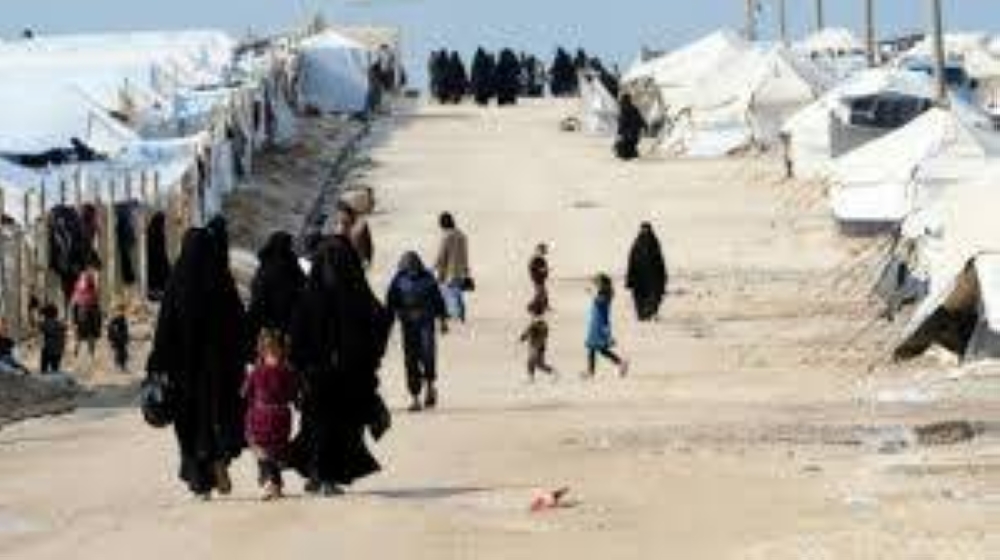
مخيم الهول» في سورية تقيم فيه قيادات وعائلات عناصر التنظيم الإرهابي


تابع قناة عكاظ على الواتساب
رياض منصور (بغداد) riyadmansour@
The activity of the terrorist organization "ISIS" has recently escalated in Iraq and Syria, and two of its members were killed after a clash in Kirkuk province, three days after a suicide bombing targeted the "Saint Elias" Church in the Syrian capital, Damascus, on June 22nd.
Security reports confirm that these incidents indicate the presence of sleeper cells in both countries and on the borders that were reopened on June 14th. However, it is unlikely that the terrorist organization will return as it did before due to local, regional, and international obstacles preventing that.
The movement of some ISIS cells has brought back to the forefront the fate of the "Al-Hol Camp" in Syria, where leaders and families of the organization's members reside, raising concerns not only for Syria but also for neighboring Iraq, even if it has a different opinion. Baghdad has confirmed multiple times that the borders are secure and that any disturbance in security in Syria will not affect Iraq's security.
In this context, Yasser Iskander Watout, a member of the Parliamentary Security and Defense Committee, revealed to "Okaz" that there is high coordination between the Iraqi government and international entities regarding the Al-Hol Camp in Syria. He confirmed that the camp and its inhabitants do not currently affect Iraq, as the government has completely secured the borders. He pointed out that there is continuous monitoring of developments by the Security and Defense Committee, the Ministry of Defense, and the forces controlling the ground.
For his part, committee member Alawi Al-Bandawi emphasized that the situation at the border with Syria is under control, and we are monitoring it daily and continuously with military leaders. He confirmed that the Iraqi borders cannot be breached by any external force, regardless of what it is, and the forces on the ground are ready and prepared for any emergency.
He added that the talk of some about a repetition of the events of 2014 is far from reality, as Iraq today is completely different from before, noting that Iraq is secure and what happened in Syria will not affect its internal security and stability. However, there remains caution and vigilance, which is important to face any emergencies that may arise.
The city of Al-Hol, located in the Hasakah province in northern Syria, hosts the Al-Hol Camp, which is one of the largest camps, housing about 40,000 displaced people from 42 different nationalities, including families of ISIS militants from Iraq, Syria, and foreign countries.
According to activists and relief workers, the displaced and refugees in the camp are divided into three sections: families of the organization, others who have not belonged to it but have been influenced by its ideas, and the last section consists of Iraqi and Syrian displaced persons and refugees fleeing from war and destruction over the past years who have not yet been able to return to their cities.
Iraqi National Security Advisor Qassem Al-Araji stated in a statement last October that the government is working on the largest community integration process for those who came from the Al-Hol Camp, as they have been subjected to psychological rehabilitation at the Al-Jada’a Camp under the supervision of the Ministry of Migration and Displacement and all other relevant agencies.
According to the statement, the number of families that have returned from Al-Hol to Iraq so far exceeds 2,600 families, with more than 2,000 families having been returned to their original areas so far, while 600 families remain and are currently undergoing rehabilitation in preparation for their return and giving them a chance to live again.
The total number of Iraqi families in Al-Hol Camp is 25,000 individuals, including 20,000 minors and children under 18 years old, according to official statistics. The Iraqi National Security Advisory announced in 2022 that the repatriation of Iraqis present in Al-Hol would take about five years.
Security reports confirm that these incidents indicate the presence of sleeper cells in both countries and on the borders that were reopened on June 14th. However, it is unlikely that the terrorist organization will return as it did before due to local, regional, and international obstacles preventing that.
The movement of some ISIS cells has brought back to the forefront the fate of the "Al-Hol Camp" in Syria, where leaders and families of the organization's members reside, raising concerns not only for Syria but also for neighboring Iraq, even if it has a different opinion. Baghdad has confirmed multiple times that the borders are secure and that any disturbance in security in Syria will not affect Iraq's security.
In this context, Yasser Iskander Watout, a member of the Parliamentary Security and Defense Committee, revealed to "Okaz" that there is high coordination between the Iraqi government and international entities regarding the Al-Hol Camp in Syria. He confirmed that the camp and its inhabitants do not currently affect Iraq, as the government has completely secured the borders. He pointed out that there is continuous monitoring of developments by the Security and Defense Committee, the Ministry of Defense, and the forces controlling the ground.
For his part, committee member Alawi Al-Bandawi emphasized that the situation at the border with Syria is under control, and we are monitoring it daily and continuously with military leaders. He confirmed that the Iraqi borders cannot be breached by any external force, regardless of what it is, and the forces on the ground are ready and prepared for any emergency.
He added that the talk of some about a repetition of the events of 2014 is far from reality, as Iraq today is completely different from before, noting that Iraq is secure and what happened in Syria will not affect its internal security and stability. However, there remains caution and vigilance, which is important to face any emergencies that may arise.
The city of Al-Hol, located in the Hasakah province in northern Syria, hosts the Al-Hol Camp, which is one of the largest camps, housing about 40,000 displaced people from 42 different nationalities, including families of ISIS militants from Iraq, Syria, and foreign countries.
According to activists and relief workers, the displaced and refugees in the camp are divided into three sections: families of the organization, others who have not belonged to it but have been influenced by its ideas, and the last section consists of Iraqi and Syrian displaced persons and refugees fleeing from war and destruction over the past years who have not yet been able to return to their cities.
Iraqi National Security Advisor Qassem Al-Araji stated in a statement last October that the government is working on the largest community integration process for those who came from the Al-Hol Camp, as they have been subjected to psychological rehabilitation at the Al-Jada’a Camp under the supervision of the Ministry of Migration and Displacement and all other relevant agencies.
According to the statement, the number of families that have returned from Al-Hol to Iraq so far exceeds 2,600 families, with more than 2,000 families having been returned to their original areas so far, while 600 families remain and are currently undergoing rehabilitation in preparation for their return and giving them a chance to live again.
The total number of Iraqi families in Al-Hol Camp is 25,000 individuals, including 20,000 minors and children under 18 years old, according to official statistics. The Iraqi National Security Advisory announced in 2022 that the repatriation of Iraqis present in Al-Hol would take about five years.


