


عاد ملف «ورقة باراك» إلى قلب المشهد اللبناني بعدما أعادت الغارات الإسرائيلية المكثفة على مناطق جنوب لبنان، خصوصاً مرتفعات النبطية، مساء الجمعة، فرض واقع جديد على الأرض يضع لبنان أمام اختبار حقيقي لقدرته على الصمود في وجه ضغوط متزايدة ومتزامنة.زيارة المبعوث الأمريكي الخاص توم باراك إلى بيروت في 19 يونيو 2025، حملت مطالب واضحة ومشددة مرتبطة بنزع سلاح حزب الله، وإعادة ضبط الحدود اللبنانية الإسرائيلية، وإصلاحات مالية وسياسية مشروطة بدعم دولي. لم تُعلن الورقة رسمياً، لكن مضمونها لم يعد سراً بل أصبح يشكل الإطار الأساسي الذي تمارس من خلاله الولايات المتحدة ضغوطها على لبنان.الغارات التي نفذتها إسرائيل على النبطية والمناطق المجاورة لم تكن رد فعل عادياً على تهديدات أمنية محددة، بل رسالة واضحة وعملية على أن الضغط العسكري هو أداة مقصودة لدفع لبنان نحو قبول الخطوط الحمراء الأمريكية. الهدف المعلن وغير المعلن واحد: استهداف السلاح غير الرسمي وتقييد نفوذ حزب الله، مع توجيه إنذار للدولة اللبنانية حول حدود قدرتها على إدارة الأمن والسيادة.المشهد السياسي الداخلي يعكس حالة تردد وانقسام حاد بين رفض قاطع للغارات وانزعاج من احتمال جرِّ البلاد إلى مواجهة مفتوحة قد تعيد المنطقة إلى دوامة من العنف. الدولة اللبنانية من جهة تدين الغارات وتحاول الدفاع عن سيادتها، لكنها تعيش ضعفاً في القدرة على اتخاذ موقف حاسم وواضح. فيما يلتزم «حزب الله» نهج الحذر، محافظاً على معادلة رد محسوبة تهدف إلى تفادي انزلاق الوضع إلى حرب شاملة، لكنه لم يغلق الباب تماماً على أي احتمال.بالعودة إلى «ورقة باراك»، فهي تمثل أكثر من مجرد وثيقة؛ هي خطة ضغط متعددة الأبعاد تضع لبنان أمام معادلة معقدة: تنفيذ مطالب خارجية صعبة مقابل دعم اقتصادي وسياسي، أو مواجهة تصعيد مستمر مع انعكاسات خطيرة على الاستقرار الداخلي.في هذا الإطار، يواجه لبنان تحدياً حقيقياً في استعادة سيادته وتحقيق توازن داخلي قادر على حماية قراره الوطني، وسط مشهد إقليمي متغير تتداخل فيه المصالح الدولية والإقليمية.والسؤال الأساسي الذي يفرض نفسه اليوم: هل يمتلك لبنان الأدوات السياسية والأمنية لمواجهة الضغوط الخارجية والتوازن بين مصالح الداخل، أم أن الواقع سيُجبره على تنازلات لم تكن في الحسبان؟
لبنان بين المطالب الأمريكية والضغوط الإسرائيلية
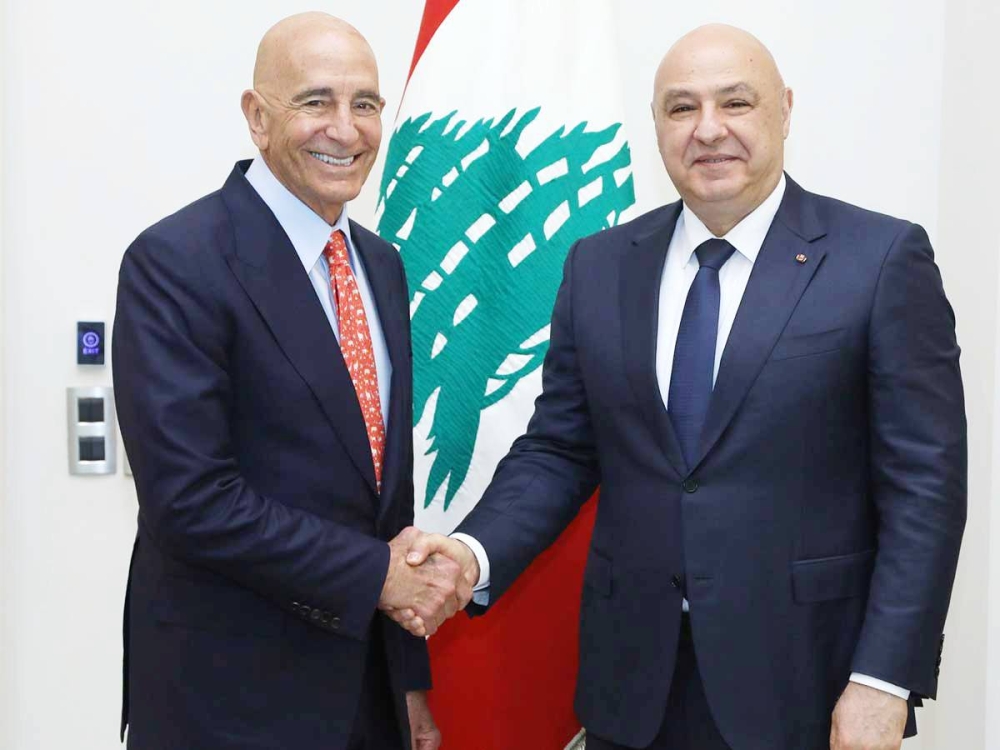


The "Barak Paper" has returned to the heart of the Lebanese scene after the intense Israeli airstrikes on southern Lebanon, particularly the heights of Nabatiyeh, on Friday evening, imposing a new reality on the ground that puts Lebanon to a real test of its ability to withstand increasing and simultaneous pressures. The visit of the U.S. Special Envoy Tom Barak to Beirut on June 19, 2025, carried clear and stringent demands related to disarming Hezbollah, re-adjusting the Lebanese-Israeli borders, and financial and political reforms conditioned on international support. The paper has not been officially announced, but its content is no longer a secret; it has become the basic framework through which the United States exerts pressure on Lebanon. The airstrikes carried out by Israel on Nabatiyeh and the surrounding areas were not a normal reaction to specific security threats, but a clear and practical message that military pressure is a deliberate tool to push Lebanon towards accepting the American red lines. The declared and undeclared goal is the same: targeting unofficial weapons and restricting Hezbollah's influence, while sending a warning to the Lebanese state about the limits of its ability to manage security and sovereignty. The internal political scene reflects a state of hesitation and sharp division between a firm rejection of the airstrikes and concern about the possibility of dragging the country into an open confrontation that could plunge the region back into a cycle of violence. The Lebanese state, on one hand, condemns the airstrikes and tries to defend its sovereignty, but it lives in a state of weakness in its ability to take a decisive and clear stance. Meanwhile, Hezbollah adheres to a cautious approach, maintaining a calculated response equation aimed at avoiding the situation slipping into a full-scale war, but it has not completely closed the door on any possibility. Returning to the "Barak Paper," it represents more than just a document; it is a multi-dimensional pressure plan that places Lebanon in front of a complex equation: implementing difficult external demands in exchange for economic and political support, or facing continuous escalation with serious implications for internal stability. In this context, Lebanon faces a real challenge in regaining its sovereignty and achieving an internal balance capable of protecting its national decision, amidst a changing regional scene where international and regional interests intertwine. The fundamental question that imposes itself today is: Does Lebanon possess the political and security tools to face external pressures and balance internal interests, or will reality force it into concessions that were not anticipated?


