


كشف مندوب إيران لدى الأمم المتحدة أمير سعيد إيرواني اليوم (السبت) استعداد بلاده لنقل مخزونها من اليورانيوم المخصب إلى دولة أخرى في حال التوصل إلى اتفاق مع الولايات المتحدة بشأن البرنامج النووي الإيراني، وذلك وفقاً لموقع «المونيتور» الإخباري.
وقال إيرواني: «نقل اليورانيوم المخصب بنسبة 20% و60% لا يعد خطاً أحمر بالنسبة لطهران»، مشيراً إلى أن البديل لذلك هو أن يبقى هذا المخزون داخل إيران تحت إشراف الوكالة الدولية للطاقة الذرية.
وشدد إيرواني على أن إيران لن تتنازل عن حقها في إنتاج اليورانيوم محلياً، وهو شرط ترفضه الولايات المتحدة بشدة، مستبعداً أية قيود على برنامج إيران للصواريخ الباليستية.
وأكد مندوب إيران بالأمم المتحدة أن أي اتفاق جديد سيعتمد، إلى جانب شروط أخرى، على رفع العقوبات الدولية المفروضة على بلاده.
وكان وزير الخارجية الإيراني عباس عراقجي قد أعلن استعداد بلاده من حيث المبدأ لاستئناف المفاوضات النووية مع الولايات المتحدة، داعياً الرئيس الأمريكي دونالد ترمب إلى تهدئة لهجته، وأن «حسن النية يولّد حسن النية، والاحترام يولد الاحترام».
من جهة أخرى، ذكرت وكالة نور نيوز الإيرانية اليوم أن إيران أعادت فتح مجالها الجوي في وسط وغرب البلاد أمام الرحلات الجوية الدولية العابرة.
وتتزايد أعباء التشغيل على شركات الطيران مع تزايد مناطق الصراع، إذ تثير الهجمات الجوية المخاوف بشأن إسقاط الطائرات التجارية عمداً أو بالخطأ.
طهران تفتح أجواءها أمام الطيران
مندوب إيران بالأمم المتحدة: مستعدون لنقل اليورانيوم المخصب لدولة أخرى
28 يونيو 2025 - 20:22
|
آخر تحديث 28 يونيو 2025 - 20:22
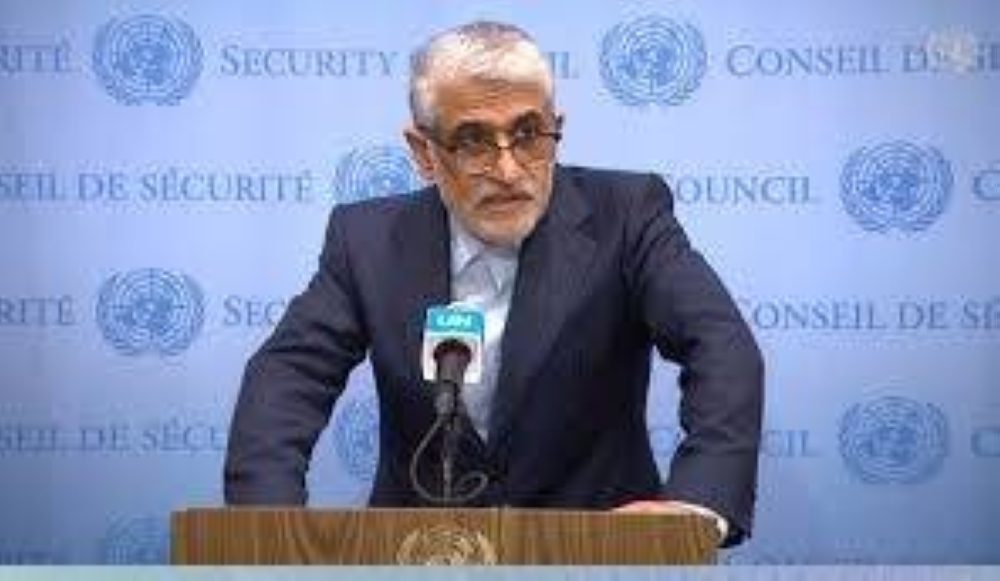
المندوب الإيراني


تابع قناة عكاظ على الواتساب
«عكاظ» (جدة) okaz_online@
Iran's representative to the United Nations, Amir Saeed Iravani, announced today (Saturday) the country's readiness to transfer its stockpile of enriched uranium to another country if an agreement is reached with the United States regarding the Iranian nuclear program, according to the news site "Monitor."
Irani stated, "Transferring uranium enriched to 20% and 60% is not a red line for Tehran," pointing out that the alternative is for this stockpile to remain within Iran under the supervision of the International Atomic Energy Agency.
Irani emphasized that Iran will not give up its right to produce uranium domestically, a condition that the United States strongly rejects, ruling out any restrictions on Iran's ballistic missile program.
The Iranian representative at the UN confirmed that any new agreement would depend, along with other conditions, on lifting the international sanctions imposed on his country.
Iranian Foreign Minister Abbas Araghchi had previously announced the country's readiness in principle to resume nuclear negotiations with the United States, urging President Donald Trump to tone down his rhetoric, stating that "goodwill generates goodwill, and respect breeds respect."
On another note, the Iranian news agency Nour News reported today that Iran has reopened its airspace in the center and west of the country to international transit flights.
The operational burdens on airlines are increasing as conflict zones expand, raising concerns about the deliberate or accidental downing of commercial aircraft due to airstrikes.
Irani stated, "Transferring uranium enriched to 20% and 60% is not a red line for Tehran," pointing out that the alternative is for this stockpile to remain within Iran under the supervision of the International Atomic Energy Agency.
Irani emphasized that Iran will not give up its right to produce uranium domestically, a condition that the United States strongly rejects, ruling out any restrictions on Iran's ballistic missile program.
The Iranian representative at the UN confirmed that any new agreement would depend, along with other conditions, on lifting the international sanctions imposed on his country.
Iranian Foreign Minister Abbas Araghchi had previously announced the country's readiness in principle to resume nuclear negotiations with the United States, urging President Donald Trump to tone down his rhetoric, stating that "goodwill generates goodwill, and respect breeds respect."
On another note, the Iranian news agency Nour News reported today that Iran has reopened its airspace in the center and west of the country to international transit flights.
The operational burdens on airlines are increasing as conflict zones expand, raising concerns about the deliberate or accidental downing of commercial aircraft due to airstrikes.


