


اعتبر النائب في البرلمان الإيراني أحمد راستينه أن إسرائيل حاولت في حربها على إيران إسقاط النظام، معلناً أن الضربات الأمريكية والإسرائيلية لم تمس اليورانيوم المخصب وأجهزة الطرد المركزي.
ونقل موقع «مرصد إيران» عن راستينه قوله اليوم (الجمعة): «إن إسرائيل، وبتنسيق كامل مع الولايات المتحدة، شنّت هجوماً على إيران لتحقيق 3 أهداف، كان على رأسها إسقاط النظام»، على حد تعبيره.
وأضاف: «أعداء إيران يتوهمون أنه بالنظر إلى وجود توجهات سياسية متعددة داخل البلاد، إضافةً إلى اختلال في توازن الطاقة والمشكلات الاقتصادية، يمكنهم من خلال هجوم خاطف أن يزيدوا من حالة السخط الشعبي، ويدفعوا المعارضين إلى ميدان المواجهة بهدف إسقاط النظام».
واعتبر أن «إسقاط النظام كان الهدف الرئيسي للهجوم الإسرائيلي على إيران، الذي ركّز خلال أول 24 ساعة من الهجوم على زعزعة البنية السياسية وهيكل القيادة في البلاد، لكنهم فشلوا في تحقيق هذا الهدف، وتم تعيين قادة ميدانيين أقوى من سابقيهم، ما عزز التماسك داخل هيكل القيادة، وجعل المسؤولين والسلطات الثلاث أكثر انسجاماً في الدفاع عن الشعب الإيراني».
ووفق راستينه، فإن «وقف دورة تخصيب اليورانيوم وتدمير قدرة إيران على إنتاج الصواريخ الباليستية كانا الهدفين الآخرين لإسرائيل من الهجوم، وهو ما لم يتحقق خلال الحرب التي استمرت 12 يوماً».
وأفصح النائب أن اليورانيوم المخصب نُقل بالكامل من المواقع المستهدفة، وأُعيد نشر أجهزة الطرد المركزي المتطورة في أماكن أخرى، وتم تفعيل قدرات جديدة للتخصيب داخل البلاد.
وحول أسباب التوصل إلى وقف إطلاق النار بين إيران وإسرائيل، قال راستينه إن الضربات القوية التي وجّهتها إيران إلى إسرائيل أدت إلى تفكك اجتماعي داخلي، وظهور مطالبات شعبية كبيرة بإنهاء الحرب، نتيجة الخسائر الجسيمة التي لحقت بالأراضي المحتلة.
وأفاد بأن البرلمان صوّت بالإجماع على إلزام الحكومة بتعليق أي تعاون مع الوكالة الدولية للطاقة الذرية حتى إشعار آخر، ووضع شروط محددة ما لم يتم تنفيذها فلن يكون هناك أي تعاون بين إيران والوكالة.
وأعلن أن «من بين هذه الشروط أن تضمن الوكالة أمن منشآتنا النووية، وأن تلتزم بواجباتها القانونية والضمانات المنصوص عليها، كما يجب أن تعترف بحقوقنا النووية، وعلى الأمم المتحدة أن تقدّم التزامات واضحة لحماية أرواح علمائنا النوويين».
ورداً على سؤال حول ما إذا كان من الممكن استئناف المفاوضات بين إيران والولايات المتحدة في الوضع الراهن، قال راستينه: «يجب أن يدرك الجميع اليوم أن طلب التفاوض من الجانب الأمريكي كان فخاً مخادعاً، تسبّب في تكبيد بلادنا أثماناً باهظة». واعتبر أن «الحديث عن التفاوض في الظروف الحالية نابعٌ من عدم فهم صحيح للساحة، وعدم الإيمان بحقيقة أن مكر أعدائنا لا نهاية له».
أكد أن إسرائيل حاولت إسقاط النظام
نائب إيراني: الهجمات لم تمس اليورانيوم وأجهزة الطرد المركزي
27 يونيو 2025 - 17:35
|
آخر تحديث 27 يونيو 2025 - 17:35
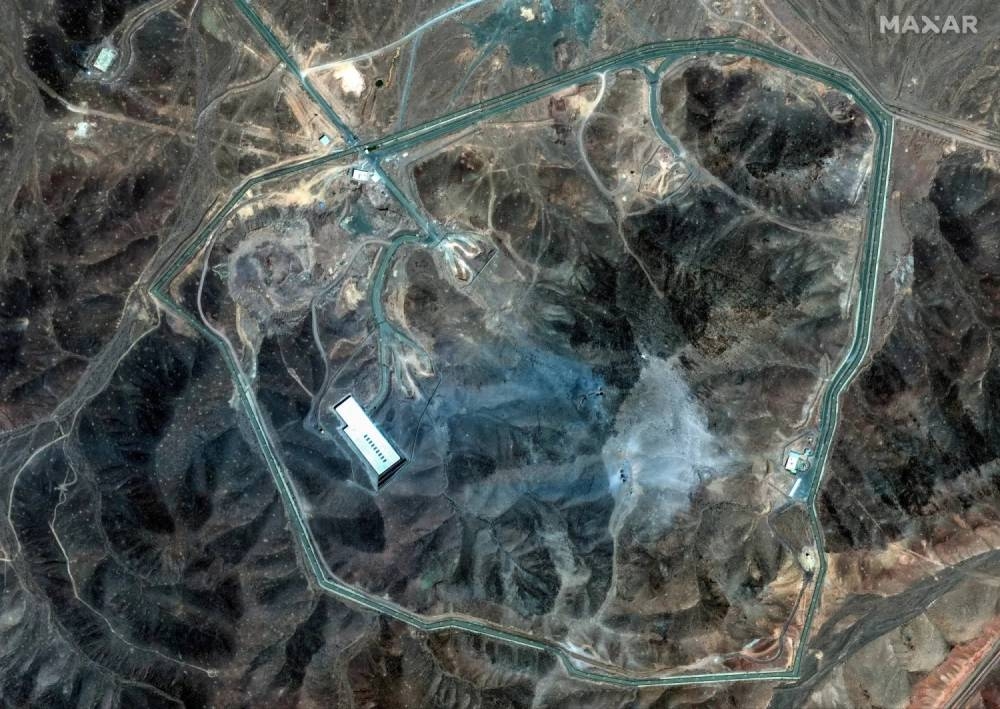
منشأة فوردو


تابع قناة عكاظ على الواتساب
«عكاظ» (طهران، جدة) okaz_online@
The Iranian parliament member Ahmad Rastinneh considered that Israel attempted to overthrow the regime in its war against Iran, announcing that the American and Israeli strikes did not affect the enriched uranium and centrifuges.
The "Iran Observatory" website quoted Rastinneh as saying today (Friday): "Israel, in full coordination with the United States, launched an attack on Iran to achieve three goals, the foremost of which was to overthrow the regime," as he put it.
He added: "Iran's enemies are deluding themselves into thinking that, given the presence of multiple political trends within the country, in addition to the imbalance of power and economic problems, they can increase public discontent through a swift attack and push the opposition into the field of confrontation with the aim of overthrowing the regime."
He considered that "overthrowing the regime was the main goal of the Israeli attack on Iran, which focused in the first 24 hours of the attack on destabilizing the political structure and leadership framework in the country, but they failed to achieve this goal, and stronger field leaders than their predecessors were appointed, which reinforced cohesion within the leadership structure and made the officials and the three authorities more harmonious in defending the Iranian people."
According to Rastinneh, "Halting the uranium enrichment cycle and destroying Iran's ability to produce ballistic missiles were the other two objectives for Israel from the attack, which were not achieved during the 12-day war."
The deputy revealed that the enriched uranium was completely transferred from the targeted sites, advanced centrifuges were redeployed in other locations, and new enrichment capabilities were activated within the country.
Regarding the reasons for reaching a ceasefire between Iran and Israel, Rastinneh said that the strong strikes Iran directed at Israel led to internal social disintegration and significant public demands to end the war, due to the heavy losses inflicted on the occupied territories.
He reported that the parliament unanimously voted to obligate the government to suspend any cooperation with the International Atomic Energy Agency until further notice, and to set specific conditions that, if not met, there would be no cooperation between Iran and the agency.
He announced that "among these conditions is that the agency must ensure the security of our nuclear facilities, adhere to its legal obligations and the guarantees stipulated, and must recognize our nuclear rights, and the United Nations must provide clear commitments to protect the lives of our nuclear scientists."
In response to a question about whether it would be possible to resume negotiations between Iran and the United States in the current situation, Rastinneh said: "Everyone must realize today that the American request for negotiations was a deceptive trap that caused our country to incur heavy costs." He considered that "talking about negotiations in the current circumstances stems from a misunderstanding of the situation and a lack of belief in the fact that the cunning of our enemies is endless."
The "Iran Observatory" website quoted Rastinneh as saying today (Friday): "Israel, in full coordination with the United States, launched an attack on Iran to achieve three goals, the foremost of which was to overthrow the regime," as he put it.
He added: "Iran's enemies are deluding themselves into thinking that, given the presence of multiple political trends within the country, in addition to the imbalance of power and economic problems, they can increase public discontent through a swift attack and push the opposition into the field of confrontation with the aim of overthrowing the regime."
He considered that "overthrowing the regime was the main goal of the Israeli attack on Iran, which focused in the first 24 hours of the attack on destabilizing the political structure and leadership framework in the country, but they failed to achieve this goal, and stronger field leaders than their predecessors were appointed, which reinforced cohesion within the leadership structure and made the officials and the three authorities more harmonious in defending the Iranian people."
According to Rastinneh, "Halting the uranium enrichment cycle and destroying Iran's ability to produce ballistic missiles were the other two objectives for Israel from the attack, which were not achieved during the 12-day war."
The deputy revealed that the enriched uranium was completely transferred from the targeted sites, advanced centrifuges were redeployed in other locations, and new enrichment capabilities were activated within the country.
Regarding the reasons for reaching a ceasefire between Iran and Israel, Rastinneh said that the strong strikes Iran directed at Israel led to internal social disintegration and significant public demands to end the war, due to the heavy losses inflicted on the occupied territories.
He reported that the parliament unanimously voted to obligate the government to suspend any cooperation with the International Atomic Energy Agency until further notice, and to set specific conditions that, if not met, there would be no cooperation between Iran and the agency.
He announced that "among these conditions is that the agency must ensure the security of our nuclear facilities, adhere to its legal obligations and the guarantees stipulated, and must recognize our nuclear rights, and the United Nations must provide clear commitments to protect the lives of our nuclear scientists."
In response to a question about whether it would be possible to resume negotiations between Iran and the United States in the current situation, Rastinneh said: "Everyone must realize today that the American request for negotiations was a deceptive trap that caused our country to incur heavy costs." He considered that "talking about negotiations in the current circumstances stems from a misunderstanding of the situation and a lack of belief in the fact that the cunning of our enemies is endless."


