


جدد الرئيس الأمريكي دونالد ترمب التأكيد على أن الهجوم الأمريكي دمر المواقع النووية الإيرانية المستهدفة، وتسبب بـ«ضرر هائل» على الرغم من تنويه مسؤولين من أن الحجم الحقيقي للأضرار لا يزال غير واضح.
وأعلن مسؤولون دفاعيون أمريكيون أنهم يعملون على تحديد حجم الأضرار التي سببتها الضربات. ولم تذكر إيران حجم الأضرار التي لحقت بها في الهجوم.
وكتب ترمب على حسابه في منصته «تروث سوشيال» اليوم (الإثنين): «لحق ضرر هائل بجميع المواقع النووية في إيران، كما أظهرت صور الأقمار الصناعية. التدمير مصطلح دقيق»، دون أن يرفق منشوره بالصور التي أشار إليها.
ولفت إلى أن «الهيكل الأبيض الظاهر مغروس بعمق في الصخر، حتى سقفه يقع أسفل مستوى الأرض بكثير، وهو محمي تماماً من اللهب. وقع أكبر ضرر على عمقٍ كبيرٍ تحت مستوى الأرض. هدف محقق».
من جانبه، كشف موقع «أكسيوس» أن ترمب سيجتمع مع فريقه للأمن القومي في الواحدة ظهراً اليوم لمناقشة نتائج الهجوم على إيران.
وكان مسؤولون في إدارة ترمب أكدوا أمس (الأحد) أن الغارات الجوية على مواقع نووية إيرانية لم تكن تهدف لتغيير النظام، فيما دعت واشنطن طهران إلى الابتعاد عن الرد العسكري واللجوء إلى التفاوض.
ولم تكن عملية «مطرقة منتصف الليل» معروفة إلا لعدد قليل من الأشخاص في واشنطن وفي مقر القيادة العسكرية الأمريكية للشرق الأوسط في تامبا بولاية فلوريدا.
من جانبه، قال رئيس هيئة الأركان المشتركة الأمريكية الجنرال دان كين للصحفيين إن 7 قاذفات من طراز بي-2 حلقت لمدة 18 ساعة من الولايات المتحدة إلى إيران لإسقاط 14 قنبلة خارقة للتحصينات. وأضاف: الولايات المتحدة أطلقت 75 قذيفة موجهة بدقة، بما في ذلك أكثر من 20 صاروخ توماهوك، إلى جانب مشاركة 125 طائرة عسكرية على الأقل في العملية التي استهدفت 3 مواقع نووية (فوردو، وأصفهان، ونطنز).
بدوره، حذر وزير الدفاع بيت هيغسيث إيران من تنفيذ تهديداتها السابقة بالرد على الولايات المتحدة، وقال إن القوات الأمريكية مستعدة للدفاع عن نفسها، فيما اعتبر نائب الرئيس الأمريكي جيه دي فانس، في مقابلة على قناة NBC التلفزيونية، أن الولايات المتحدة ليست في حالة حرب مع إيران بل مع برنامجها النووي.
ترمب مجدداً: الهجوم الأمريكي دمَّر المواقع النووية الإيرانية المستهدفة
23 يونيو 2025 - 12:38
|
آخر تحديث 23 يونيو 2025 - 12:38
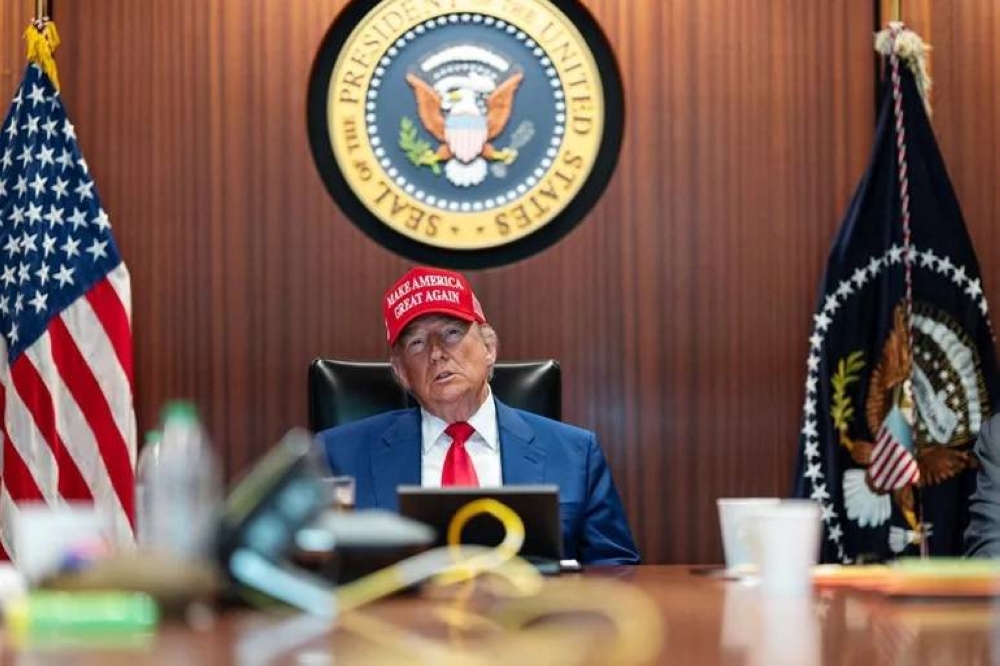
دونالد ترمب.


تابع قناة عكاظ على الواتساب
«عكاظ» (واشنطن) okaz_online@
The American President Donald Trump reiterated that the American attack destroyed the targeted Iranian nuclear sites and caused "huge damage," despite officials noting that the true extent of the damage remains unclear.
American defense officials announced that they are working to assess the extent of the damage caused by the strikes. Iran did not disclose the extent of the damage it sustained in the attack.
Trump wrote on his account on his platform "Truth Social" today (Monday): "Huge damage was inflicted on all nuclear sites in Iran, as shown by satellite images. Destruction is an accurate term," without attaching the images he referred to.
He pointed out that "the visible white structure is deeply embedded in the rock, with its roof located well below ground level, and it is completely protected from flames. The greatest damage occurred at a significant depth below ground level. A goal achieved."
For his part, Axios revealed that Trump will meet with his national security team at 1 PM today to discuss the results of the attack on Iran.
Officials in the Trump administration confirmed yesterday (Sunday) that the airstrikes on Iranian nuclear sites were not aimed at regime change, while Washington urged Tehran to refrain from military retaliation and resort to negotiations.
The operation "Midnight Hammer" was known only to a few people in Washington and at the U.S. Central Command headquarters in Tampa, Florida.
For his part, U.S. Joint Chiefs of Staff Chairman General Dan Keen told reporters that 7 B-2 bombers flew for 18 hours from the United States to Iran to drop 14 bunker-busting bombs. He added: The United States launched 75 precision-guided munitions, including more than 20 Tomahawk missiles, along with the participation of at least 125 military aircraft in the operation that targeted 3 nuclear sites (Fordow, Isfahan, and Natanz).
For his part, Defense Secretary Pete Hegseth warned Iran against carrying out its previous threats to retaliate against the United States, stating that U.S. forces are prepared to defend themselves, while U.S. Vice President J.D. Vance, in an interview on NBC television, considered that the United States is not at war with Iran but with its nuclear program.
American defense officials announced that they are working to assess the extent of the damage caused by the strikes. Iran did not disclose the extent of the damage it sustained in the attack.
Trump wrote on his account on his platform "Truth Social" today (Monday): "Huge damage was inflicted on all nuclear sites in Iran, as shown by satellite images. Destruction is an accurate term," without attaching the images he referred to.
He pointed out that "the visible white structure is deeply embedded in the rock, with its roof located well below ground level, and it is completely protected from flames. The greatest damage occurred at a significant depth below ground level. A goal achieved."
For his part, Axios revealed that Trump will meet with his national security team at 1 PM today to discuss the results of the attack on Iran.
Officials in the Trump administration confirmed yesterday (Sunday) that the airstrikes on Iranian nuclear sites were not aimed at regime change, while Washington urged Tehran to refrain from military retaliation and resort to negotiations.
The operation "Midnight Hammer" was known only to a few people in Washington and at the U.S. Central Command headquarters in Tampa, Florida.
For his part, U.S. Joint Chiefs of Staff Chairman General Dan Keen told reporters that 7 B-2 bombers flew for 18 hours from the United States to Iran to drop 14 bunker-busting bombs. He added: The United States launched 75 precision-guided munitions, including more than 20 Tomahawk missiles, along with the participation of at least 125 military aircraft in the operation that targeted 3 nuclear sites (Fordow, Isfahan, and Natanz).
For his part, Defense Secretary Pete Hegseth warned Iran against carrying out its previous threats to retaliate against the United States, stating that U.S. forces are prepared to defend themselves, while U.S. Vice President J.D. Vance, in an interview on NBC television, considered that the United States is not at war with Iran but with its nuclear program.


