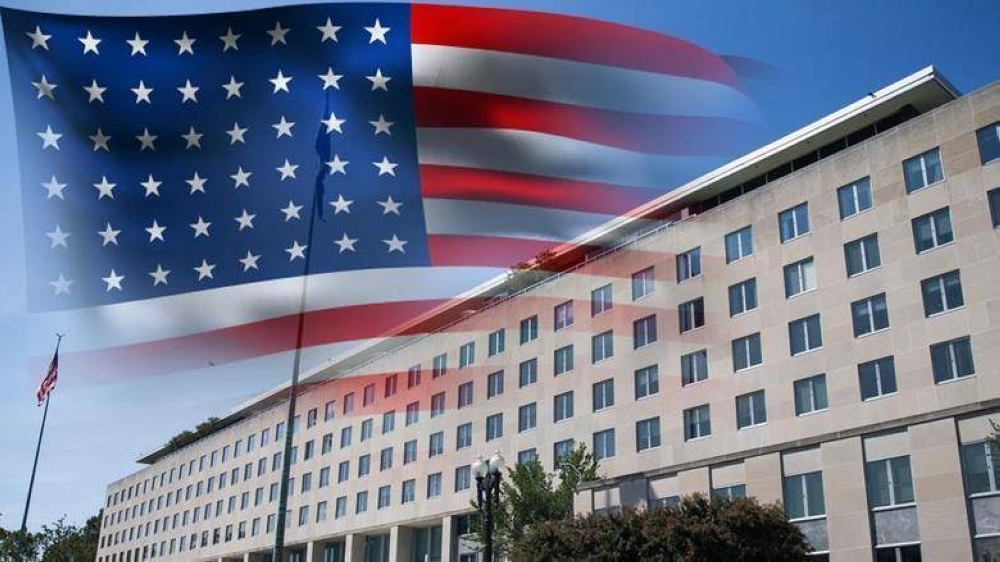
في خطوة أثارت جدلاً واسعاً، أعادت وزارة الخارجية الأمريكية السماح بتقديم طلبات تأشيرات الدراسة للطلاب الأجانب، بعد تعليق مؤقت، لكنها اشترطت على جميع المتقدمين فتح حساباتهم على وسائل التواصل الاجتماعي للعامة، وإتاحة إمكانية مراجعة محتواها بشكل كامل.
وأكدت الوزارة، في تصريحات نقلتها وكالة «أسوشيتد برس»، أن الحسابات الخاصة أو المغلقة ستُعد سبباً مباشراً لرفض التأشيرة، معتبرة أن إخفاء النشاطات الرقمية أو رفض فتح الحسابات قد يُفسَّر كمحاولة للتهرب من المتطلبات أو إخفاء محتوى مرفوض.
وسيقوم المسؤولون القنصليون بفحص المنشورات والرسائل المنشورة على حسابات المتقدمين، لرصد أي محتوى يُعتبر معادياً للولايات المتحدة أو حكومتها أو ثقافتها أو مؤسساتها أو قيمها الأساسية.
وكانت إدارة ترمب قد أوقفت الشهر الماضي جدولة مقابلات تأشيرات الطلاب، استعداداً لتوسيع الرقابة على أنشطتهم الرقمية، ما أثار قلق آلاف الطلاب الدوليين، خصوصاً مع اقتراب موعد العام الدراسي الجديد، وصعوبة ترتيبات السفر والسكن.
تأتي هذه الإجراءات الصارمة في ظل تصاعد التوترات السياسية، إذ أُلغيت تأشيرات عدد من الطلاب الذين شاركوا في احتجاجات ضد السياسات الأمريكية تجاه غزة، بناءً على قانون يسمح بترحيل من يُعتبرون معارضين لسياسة الولايات المتحدة الخارجية.
هذا التطور يعيد إلى الواجهة الجدل الذي أثارته سياسات الهجرة والتعليم في عهد ترمب، لاسيما بعد محاولات سابقة لمنع جامعات كبرى مثل هارفارد من قبول طلاب دوليين.
In a move that sparked widespread controversy, the U.S. State Department has resumed accepting study visa applications from foreign students after a temporary suspension, but it has required all applicants to make their social media accounts public and allow full review of their content.
The department confirmed, in statements reported by the Associated Press, that private or closed accounts will be considered a direct reason for visa denial, arguing that concealing digital activities or refusing to open accounts could be interpreted as an attempt to evade requirements or hide unacceptable content.
Consular officials will examine posts and messages published on applicants' accounts to monitor any content deemed hostile to the United States, its government, culture, institutions, or core values.
Last month, the Trump administration had suspended the scheduling of student visa interviews in preparation for expanding oversight of their digital activities, raising concerns among thousands of international students, especially with the new academic year approaching and the difficulties of travel and housing arrangements.
These strict measures come amid rising political tensions, as visas for several students who participated in protests against U.S. policies towards Gaza were revoked, based on a law that allows the deportation of those considered opponents of U.S. foreign policy.
This development brings back to the forefront the debate surrounding immigration and education policies during the Trump era, especially following previous attempts to prevent major universities like Harvard from accepting international students.