


فيما رفضت السلطات الإيرانية المقترح الأمريكي «تصفير تخصيب اليورانيوم»، حذر نائب الرئيس الأمريكي جي دي فانس من أن الوقت ينفد أمام الجهود الدبلوماسية. وقال إن الرئيس ترمب سيركز في قراره بعد انتهاء مهلة الأسبوعين على المصلحة الوطنية للبلاد.
وأضاف في مقابلة مع شبكة «فوكس نيوز»، ليل الجمعة، أن ترمب سيمنح فرصة للدبلوماسية، وحين يقرر أن «الدبلوماسية قد استنفدت أغراضها، وأنه لن يحصل على شيء من المحادثات مع الجانب الإيراني عندها سيتخذ القرار المناسب». وأفاد بأنه «عند استنفاد الدبلوماسية أعتقد أن الرئيس سيفعل ما عليه فعله».
وكان ترمب أعلن أن أمام إيران مهلة أسبوعين «كحد أقصى» لتفادي التعرض لضربات أمريكية محتملة، لافتاً إلى أنه قد يتخذ قراراً قبل هذا الموعد النهائي الذي حدده.
وقلل ترمب من إمكانية مطالبته إسرائيل بوقف ضرباتها كما طلبت طهران، قائلاً: «من الصعب جداً مطالبتهم بذلك الآن». وأضاف: «إذا كان الطرف رابحاً، فسيكون الأمر أصعب قليلاً منه إذا كان خاسراً».
وكان مسؤولون مطلعون أفادوا سابقاً بأن الجانب الأمريكي قدم مقترحاً إلى الإيرانيين مطلع الأسبوع الماضي يقضي بـ«تصفير تخصيب اليورانيوم» مع الاستعاضة عنه بالتخصيب خارج الأراضي الإيرانية ضمن «كونسورتيوم إقليمي».
وأفاد المسؤولون بأن واشنطن تنتظر الرد الإيراني مع استمرار التواصل بين البلدين عبر وزير الخارجية الإيراني عباس عراقجي، والمبعوث الأمريكي ستيف ويتكوف.
إلا أن عراقجي أكد أمس أنه أبلغ ويتكوف رفض بلاده «تصفير التخصيب»، وكرر المطالبة بوقف الهجوم الإسرائيلي قبل الانخراط بأي مفاوضات مع الولايات المتحدة.
في حين كشف دبلوماسي إيراني أن بلاده مستعدة لتقديم بعض التنازلات في الملف النووي.
من جانبه، قال مسؤول أمريكي، اليوم (السبت)، إن الدبلوماسية ستحظى بالفرصة الأخيرة خلال الأسبوعين القادمين، وفق ما أفادت شبكة إي بي سي.
وأفصح مسؤولون عرب وأوروبيون أن المبعوث الأمريكي الخاص ستيف ويتكوف قدّم لإيران اقتراحاً في وقت سابق من هذا الأسبوع يُلزمها بوقف تخصيب اليورانيوم، لكنه يمنحها إمكانية الوصول إلى الوقود المخصب عبر اتحاد إقليمي أو ما عرف بالـ«كونسورتيوم».
وكشف المسؤولون أن طهران أعربت عن استعدادها لتحديد نسبة تخصيبها عند 3.67%، وهو مستوى يتوافق مع الاستخدامات المدنية، لكنها لن تتخلى عنه، في شرط لم تقبله سابقاً الولايات المتحدة. وأفادوا بأن الجانب الأمريكي طلب من الإيرانيين رداً واضحاً على عرضه الأخير قبل استئناف المحادثات النووية، بحسب ما نقلت صحيفة «وول ستريت جورنال».
يذكر أن الاتفاق النووي الذي أُبرم بين إيران والدول الـ5+1 (الولايات المتحدة، بريطانيا، فرنسا، روسيا، الصين، وألمانيا) المعروف باسم خطة العمل الشاملة المشتركة (JCPOA)، والذي وقع في يوليو 2015، حدد نسبة تخصيب اليورانيوم المسموح بها بما لا يتجاوز 3.67% من اليورانيوم-235، وهي نسبة كافية لتشغيل المفاعلات النووية المدنية، لكنها بعيدة جداً عن النسبة المطلوبة لصنع سلاح نووي (التي تتجاوز 90%).
إيران ترفض «تصفير التخصيب».. نائب ترمب: الوقت ينفد
21 يونيو 2025 - 12:37
|
آخر تحديث 21 يونيو 2025 - 12:37
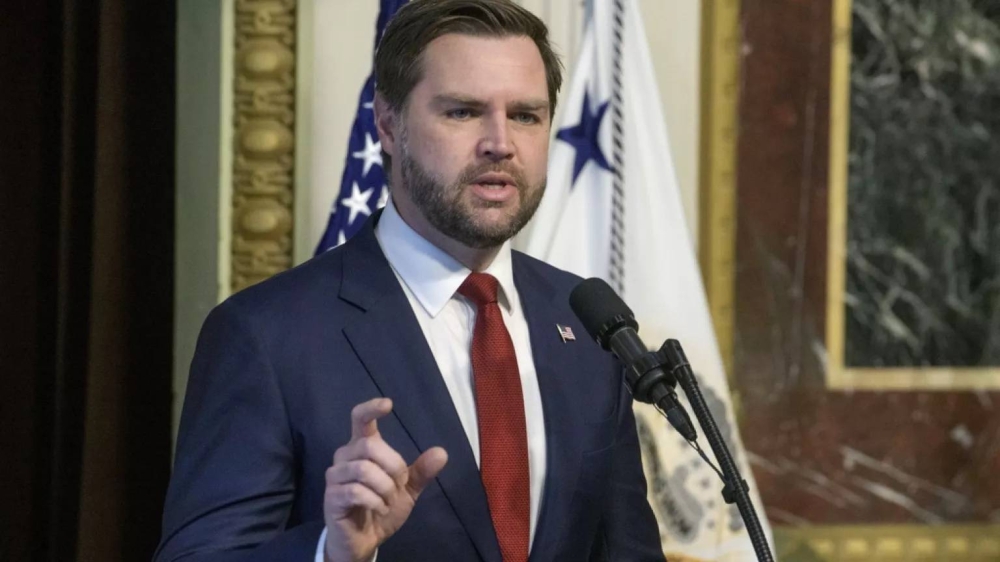
نائب ترمب


تابع قناة عكاظ على الواتساب
«عكاظ» وكالات (جدة، واشنطن، طهران) okaz_online@
While Iranian authorities rejected the American proposal to "zero uranium enrichment," U.S. Vice President J.D. Vance warned that time is running out for diplomatic efforts. He stated that President Trump will focus on the national interest of the country when making his decision after the two-week deadline expires.
In an interview with Fox News late Friday, he added that Trump will give diplomacy a chance, and when he decides that "diplomacy has exhausted its purposes, and that he will gain nothing from talks with the Iranian side, then he will make the appropriate decision." He noted that "when diplomacy is exhausted, I believe the president will do what he has to do."
Trump announced that Iran has a two-week deadline "at most" to avoid potential American strikes, indicating that he may make a decision before this deadline.
Trump downplayed the possibility of asking Israel to stop its strikes as requested by Tehran, saying, "It is very difficult to ask them to do that now." He added, "If the party is winning, it will be a little harder than if they were losing."
Previously, informed officials reported that the American side presented a proposal to the Iranians at the beginning of last week to "zero uranium enrichment" in exchange for enrichment outside Iranian territory within a "regional consortium."
Officials indicated that Washington is awaiting the Iranian response while communication continues between the two countries through Iranian Foreign Minister Abbas Araghchi and American envoy Steve Wietkoff.
However, Araghchi confirmed yesterday that he informed Wietkoff of his country's rejection of "zero enrichment" and reiterated the demand to stop the Israeli attacks before engaging in any negotiations with the United States.
Meanwhile, an Iranian diplomat revealed that his country is ready to make some concessions on the nuclear file.
For his part, an American official said today (Saturday) that diplomacy will have one last chance in the coming two weeks, according to ABC News.
Arab and European officials disclosed that U.S. Special Envoy Steve Wietkoff presented Iran with a proposal earlier this week that requires it to stop uranium enrichment but allows it access to enriched fuel through a regional union or what is known as the "consortium."
Officials revealed that Tehran expressed its readiness to limit its enrichment level to 3.67%, a level compatible with civilian uses, but it will not abandon it, a condition that the United States had previously rejected. They stated that the American side requested a clear response from the Iranians to its latest offer before resuming nuclear talks, according to the Wall Street Journal.
It is worth noting that the nuclear agreement reached between Iran and the P5+1 countries (the United States, Britain, France, Russia, China, and Germany), known as the Joint Comprehensive Plan of Action (JCPOA), which was signed in July 2015, set the allowed uranium enrichment level at no more than 3.67% of uranium-235, a level sufficient for operating civilian nuclear reactors, but far from the level required to produce a nuclear weapon (which exceeds 90%).
In an interview with Fox News late Friday, he added that Trump will give diplomacy a chance, and when he decides that "diplomacy has exhausted its purposes, and that he will gain nothing from talks with the Iranian side, then he will make the appropriate decision." He noted that "when diplomacy is exhausted, I believe the president will do what he has to do."
Trump announced that Iran has a two-week deadline "at most" to avoid potential American strikes, indicating that he may make a decision before this deadline.
Trump downplayed the possibility of asking Israel to stop its strikes as requested by Tehran, saying, "It is very difficult to ask them to do that now." He added, "If the party is winning, it will be a little harder than if they were losing."
Previously, informed officials reported that the American side presented a proposal to the Iranians at the beginning of last week to "zero uranium enrichment" in exchange for enrichment outside Iranian territory within a "regional consortium."
Officials indicated that Washington is awaiting the Iranian response while communication continues between the two countries through Iranian Foreign Minister Abbas Araghchi and American envoy Steve Wietkoff.
However, Araghchi confirmed yesterday that he informed Wietkoff of his country's rejection of "zero enrichment" and reiterated the demand to stop the Israeli attacks before engaging in any negotiations with the United States.
Meanwhile, an Iranian diplomat revealed that his country is ready to make some concessions on the nuclear file.
For his part, an American official said today (Saturday) that diplomacy will have one last chance in the coming two weeks, according to ABC News.
Arab and European officials disclosed that U.S. Special Envoy Steve Wietkoff presented Iran with a proposal earlier this week that requires it to stop uranium enrichment but allows it access to enriched fuel through a regional union or what is known as the "consortium."
Officials revealed that Tehran expressed its readiness to limit its enrichment level to 3.67%, a level compatible with civilian uses, but it will not abandon it, a condition that the United States had previously rejected. They stated that the American side requested a clear response from the Iranians to its latest offer before resuming nuclear talks, according to the Wall Street Journal.
It is worth noting that the nuclear agreement reached between Iran and the P5+1 countries (the United States, Britain, France, Russia, China, and Germany), known as the Joint Comprehensive Plan of Action (JCPOA), which was signed in July 2015, set the allowed uranium enrichment level at no more than 3.67% of uranium-235, a level sufficient for operating civilian nuclear reactors, but far from the level required to produce a nuclear weapon (which exceeds 90%).





