أعلنت الحكومة السويسرية، اليوم (الجمعة)، قرارها برفع العقوبات الاقتصادية المفروضة على سورية، في خطوة تتماشى مع قرار مماثل اتخذه الاتحاد الأوروبي أخيراً.
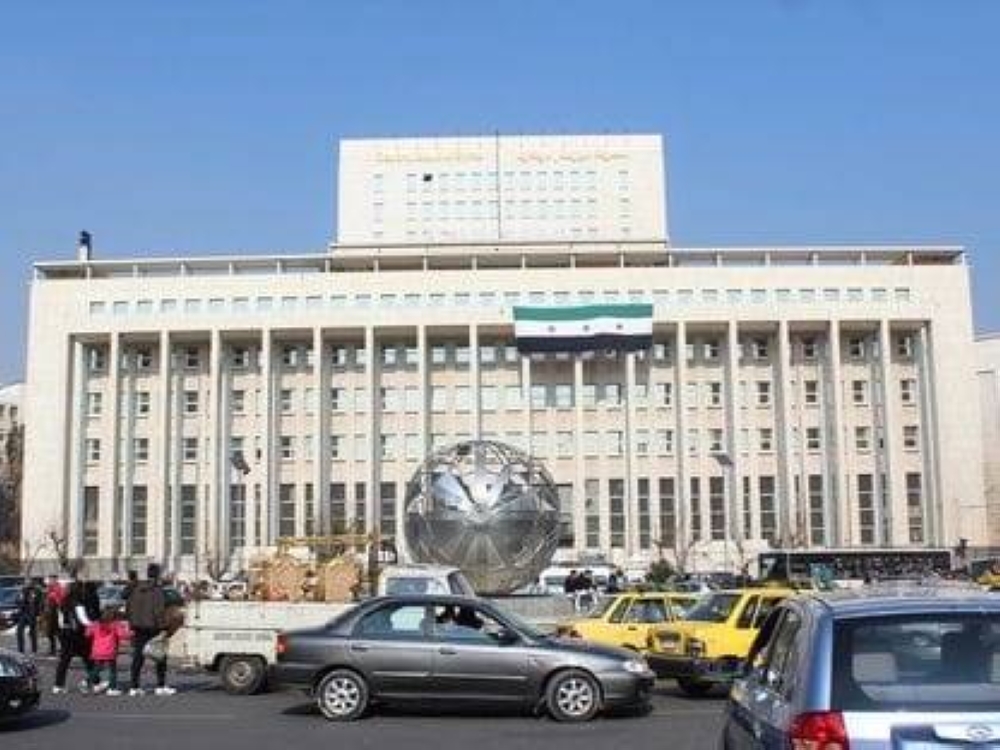
ويشمل القرار إلغاء تجميد الأموال والموارد الاقتصادية عن 24 كياناً سورياً، بما في ذلك مصرف سورية المركزي، بهدف دعم الاقتصاد السوري المنهك وتسهيل عملية انتقال سياسي شامل وسلمي في البلاد.
وأوضحت الحكومة السويسرية في بيان رسمي أن هذا القرار، الذي يدخل حيز التنفيذ اعتباراً من الساعة السادسة مساءً بتوقيت سويسرا (بتاريخ 20 يونيو 2025)، يعكس التزامها بدعم الاستقرار في سورية بعد سنوات من النزاع المدمر.
وأكد البيان أن رفع العقوبات يهدف إلى تمكين المؤسسات السورية من استعادة القدرة على تقديم الخدمات الأساسية وتحسين الظروف المعيشية للسكان.
ويتضمن قرار رفع العقوبات إلغاء القيود المالية على عدد من الشركات والمؤسسات السورية، بما في ذلك المصرف المركزي، الذي يلعب دوراً حيوياً في إدارة السياسة النقدية وتسهيل المعاملات المالية الدولية.
ومن المتوقع أن يساهم القرار في تحسين تدفقات رأس المال إلى سورية، ما يدعم جهود إعادة الإعمار وتوفير الاحتياجات الأساسية مثل الغذاء، والدواء، والبنية التحتية.
وتعاني سورية منذ عام 2011 من نزاع داخلي مدمر أدى إلى تدهور الاقتصاد الوطني، وتدمير البنية التحتية، ونزوح ملايين المواطنين.
وفرضت العديد من الدول الغربية، بما في ذلك سويسرا والاتحاد الأوروبي، عقوبات اقتصادية على الحكومة السورية وكيانات مرتبطة بها، بهدف الضغط لإنهاء العنف وتحقيق انتقال سياسي، وأثارت هذه العقوبات جدلاً واسعاً بسبب تأثيرها السلبي على المدنيين والاقتصاد السوري.
في السنوات الأخيرة، بدأت بعض الدول الأوروبية، بما في ذلك الاتحاد الأوروبي، بمراجعة سياساتها وتخفيف العقوبات تدريجياً، معتبرة أن هذه الخطوة قد تساعد في تخفيف المعاناة الإنسانية وتسريع وتيرة إعادة الإعمار.
قرار سويسرا يأتي في سياق هذه التغيرات، حيث تسعى لدعم الجهود الدولية لاستعادة الاستقرار في سورية، خاصة مع تزايد الدعوات لتسريع عملية إعادة الإعمار والعودة الآمنة للاجئين.
يُنظر إلى قرار سويسرا على أنه خطوة رمزية وملموسة لدعم الاقتصاد السوري، حيث يعاني من تضخم مرتفع وانهيار قيمة الليرة السورية.
ومع رفع القيود عن المصرف المركزي يمكن أن يتمكن من استعادة جزء من دوره في استقرار النظام المالي وتسهيل التجارة الدولية.
The Swiss government announced today (Friday) its decision to lift the economic sanctions imposed on Syria, in a move that aligns with a similar decision recently made by the European Union.
The decision includes the cancellation of the freezing of funds and economic resources for 24 Syrian entities, including the Central Bank of Syria, with the aim of supporting the struggling Syrian economy and facilitating a comprehensive and peaceful political transition in the country.
The Swiss government clarified in an official statement that this decision, which will take effect starting at 6 PM Swiss time (on June 20, 2025), reflects its commitment to supporting stability in Syria after years of devastating conflict.
The statement emphasized that the lifting of sanctions aims to enable Syrian institutions to regain the ability to provide essential services and improve the living conditions of the population.
The decision to lift sanctions includes the removal of financial restrictions on a number of Syrian companies and institutions, including the central bank, which plays a vital role in managing monetary policy and facilitating international financial transactions.
The decision is expected to contribute to improving capital flows to Syria, supporting reconstruction efforts and providing basic needs such as food, medicine, and infrastructure.
Syria has been suffering from a devastating internal conflict since 2011, which has led to the deterioration of the national economy, destruction of infrastructure, and displacement of millions of citizens.
Many Western countries, including Switzerland and the European Union, have imposed economic sanctions on the Syrian government and related entities, aiming to pressure for an end to the violence and achieve a political transition. These sanctions have sparked widespread controversy due to their negative impact on civilians and the Syrian economy.
In recent years, some European countries, including the European Union, have begun to review their policies and gradually ease sanctions, considering that this step may help alleviate humanitarian suffering and accelerate the pace of reconstruction.
Switzerland's decision comes in the context of these changes, as it seeks to support international efforts to restore stability in Syria, especially with the increasing calls to expedite the reconstruction process and ensure the safe return of refugees.
The decision by Switzerland is viewed as a symbolic and tangible step to support the Syrian economy, which is suffering from high inflation and the collapse of the Syrian pound.
With the lifting of restrictions on the central bank, it may be able to regain part of its role in stabilizing the financial system and facilitating international trade.