رغم القدرات الدفاعية الهائلة التي تمتلكها إسرائيل، خصوصاً «القبة الحديدية» التي تحتوي على 3 مستويات، إلّا أن دفاعاتها أظهرت عجزاً في صدّ الصواريخ التي تطلقها إيران، والتي طالت مواقع حيوية في تل أبيب وحيفا.
ويؤكد مختصون أنه لا يوجد نظام دفاع جوي في العالم ينجح بنسبة 100% في إسقاط الصواريخ، وأوضحوا أن آليات الدفاع الجوي تستخدم عادة عدة طبقات، وأيضاً عدة صواريخ لكل صاروخ قادم.
وتشمل منظومة الدفاع الجوي الإسرائيلية القبة الحديدية، وتستخدم للصواريخ قصيرة المدى من 4 كيلومترات إلى 70 كيلومتراً، بينما يبلغ مدى الصواريخ الباليستية 1500 كيلومتر. أما منظومة «مقلاع داود» فتستخدم لاعتراض صواريخ من 40 كيلومتراً إلى 300 كيلومتر.
أما الصواريخ المخصصة لاعتراض الصواريخ الباليستية فهي «ثاد» و«السهم 3». ونجح «ثاد» في السابق في اعتراض الصواريخ بنسبة 100% خلال الاختبار، لكن على أرض الواقع ظهر الأمر مختلفاً تماماً؛ لأن أمامه مجموعة من دفعات الصواريخ وليس صاروخاً واحداً، ولذلك ظهرت نسبة خطأ في الأداء.
وأفاد المختصون بأنه عندما تكون هناك دفعات من الصواريخ نحو 40 أو50 تحدث عملية إشباع لمنظومة «ثاد»، إذ يصبح عليها أن تختار أي الصواريخ قادماً ولأي هدف، وما الأهداف التي لديها أولوية أكثر، وهل ستسقط الصواريخ في المناطق الخالية؟ بمعنى أن «ثاد» تقوم بعملية فرز حسب الأولوية.
وعزا هؤلاء سبب عجز الدفاعات الإسرائيلية عن صدّ الصواريخ الإيرانية إلى أن الصواريخ الباليستية لديها نظام لتفادي محاولات الاعتراض والتشويش، ويقوم الصاروخ الباليستي التقليدي بعملية الدفع، وينطلق بأبطأ عملية، ويتم رصده، لأن خزان الوقود والمحرك يعملان ليصل إلى السرعة المطلوبة للوصول إلى الفضاء الخارجي، إذ يحلق ويعود لدخول الغلاف الجوي بسرعة عالية.
أما الصاروخ «الفرط صوتي»، الذي يصل إلى 5 أضعاف سرعة الصوت، فيصعب اعتراضه، ويقوم بالدخول الأول إلى الغلاف الجوي ويجري عملية انزلاق مستخدماً الهواء، ثم يعود ويصعد إلى الفضاء الخارجي، ثم يعود ويدخل في عملية مناورة للدفاعات الجوية.
وعندما يأتي الصاروخ فرط صوتي إلى الغلاف الجوي بـ5 أضعاف سرعة الصوت يحدث عملية تأيّن في الهواء، أي تصبح لديه شحنات تحدث تشويشاً على أشعة الرادار، ومن ثم فإن التشويش على الدفاع الجوي يجعل منظومة الصواريخ والدفاع الجوي لا تنجح في اعتراض العديد من الصواريخ.
لماذا أخفقت «القبة الحديدية» الإسرائيلية في إسقاط الصواريخ الإيرانية؟
16 يونيو 2025 - 13:37
|
آخر تحديث 16 يونيو 2025 - 13:37
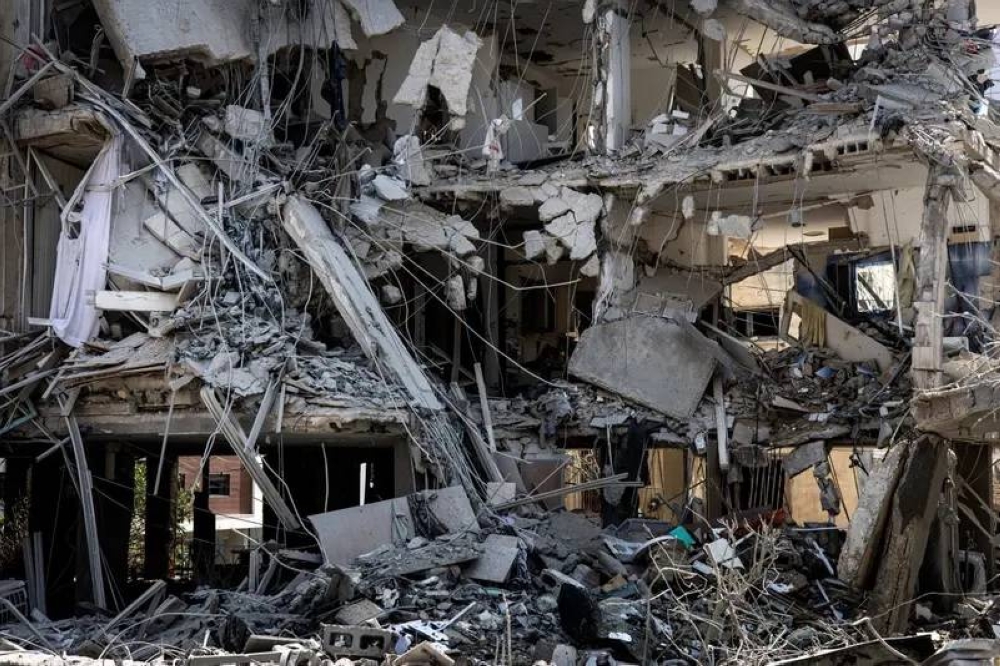
مبان في تل أبيب أصابتها الضربات الإيرانية .


تابع قناة عكاظ على الواتساب
«عكاظ» (جدة) okaz_online@
Despite the immense defensive capabilities possessed by Israel, particularly the "Iron Dome," which consists of three levels, its defenses have shown an inability to intercept the missiles launched by Iran, which have targeted vital locations in Tel Aviv and Haifa.
Experts confirm that there is no air defense system in the world that succeeds 100% in intercepting missiles, and they explained that air defense mechanisms typically use several layers, as well as multiple missiles for each incoming missile.
The Israeli air defense system includes the Iron Dome, which is used for short-range missiles from 4 kilometers to 70 kilometers, while the range of ballistic missiles is 1500 kilometers. The "David's Sling" system is used to intercept missiles from 40 kilometers to 300 kilometers.
The missiles designated for intercepting ballistic missiles are "THAAD" and "Arrow 3." "THAAD" has previously succeeded in intercepting missiles at a rate of 100% during tests, but in reality, the situation is entirely different; because it faces a group of missile salvos rather than a single missile, which leads to a margin of error in performance.
Experts reported that when there are salvos of missiles, around 40 or 50, a saturation process occurs for the "THAAD" system, as it must choose which incoming missiles to target and which objectives have higher priority, and whether the missiles will fall in uninhabited areas. In other words, "THAAD" performs sorting based on priority.
They attributed the failure of Israeli defenses to intercept Iranian missiles to the fact that ballistic missiles have a system to evade interception attempts and jamming. The conventional ballistic missile performs a propulsion process, launching at a slower pace, and is tracked because the fuel tank and engine work to reach the required speed to enter outer space, where it flies and then returns to re-enter the atmosphere at high speed.
On the other hand, the "hypersonic" missile, which reaches five times the speed of sound, is difficult to intercept. It first enters the atmosphere at five times the speed of sound, causing ionization in the air, meaning it acquires charges that create interference with radar beams. Consequently, the jamming of air defense systems prevents the missile systems and air defenses from successfully intercepting many missiles.
Experts confirm that there is no air defense system in the world that succeeds 100% in intercepting missiles, and they explained that air defense mechanisms typically use several layers, as well as multiple missiles for each incoming missile.
The Israeli air defense system includes the Iron Dome, which is used for short-range missiles from 4 kilometers to 70 kilometers, while the range of ballistic missiles is 1500 kilometers. The "David's Sling" system is used to intercept missiles from 40 kilometers to 300 kilometers.
The missiles designated for intercepting ballistic missiles are "THAAD" and "Arrow 3." "THAAD" has previously succeeded in intercepting missiles at a rate of 100% during tests, but in reality, the situation is entirely different; because it faces a group of missile salvos rather than a single missile, which leads to a margin of error in performance.
Experts reported that when there are salvos of missiles, around 40 or 50, a saturation process occurs for the "THAAD" system, as it must choose which incoming missiles to target and which objectives have higher priority, and whether the missiles will fall in uninhabited areas. In other words, "THAAD" performs sorting based on priority.
They attributed the failure of Israeli defenses to intercept Iranian missiles to the fact that ballistic missiles have a system to evade interception attempts and jamming. The conventional ballistic missile performs a propulsion process, launching at a slower pace, and is tracked because the fuel tank and engine work to reach the required speed to enter outer space, where it flies and then returns to re-enter the atmosphere at high speed.
On the other hand, the "hypersonic" missile, which reaches five times the speed of sound, is difficult to intercept. It first enters the atmosphere at five times the speed of sound, causing ionization in the air, meaning it acquires charges that create interference with radar beams. Consequently, the jamming of air defense systems prevents the missile systems and air defenses from successfully intercepting many missiles.