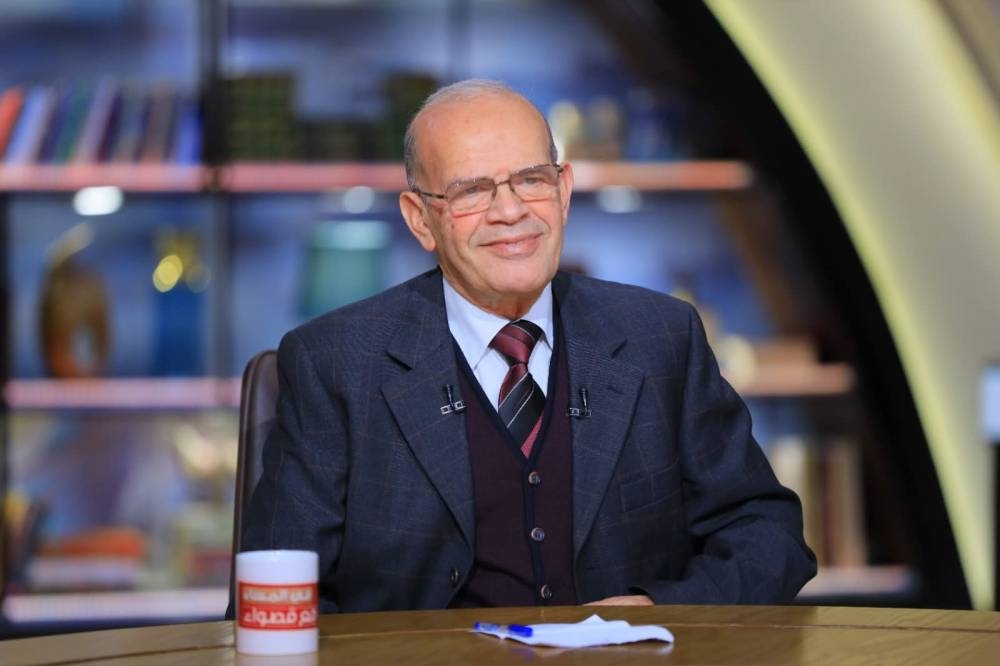
في تعليق على الضربات الإسرائيلية الواسعة النطاق التي استهدفت إيران، فجر (الجمعة)، رأى المُفكر وأستاذ العلوم السياسية المصري الدكتور أحمد يوسف أحمد، أن هذه العملية تمثل الخطوة الثالثة في مخطط رئيس الوزراء الإسرائيلي بنيامين نتنياهو لإعادة تشكيل التوازن الإقليمي في الشرق الأوسط لصالح إسرائيل.
سيناريو حزب الله
وأشار في تصريحات خاصة لـ«عكاظ» إلى أن هذه الضربات تكاد تكون تكرارًا لسيناريو سبتمبر 2024 ضد حزب الله ولبنان، بداية من تفجير أجهزة البيجر، ثم الاغتيالات، ثم الضربة القاسمة، وصولاً إلى إسقاط نظام بشار الأسد في ديسمبر من العام نفسه.
وأضاف الدكتور أحمد يوسف أحمد في تصريحاته: «أرى أن ما حدث اليوم هو الخطوة الثالثة لتنفيذ مخطط نتنياهو من أجل شرق أوسط «إسرائيلي» جديد.
تقويض قدرة إيران
وأعرب عن دهشته من دقة وشمولية الضربات، قائلاً: «لا أنكر أنني فوجئت بالاتقان الذي تمت به الضربة والشمول الذي تمت به ولدي شك كبير في أن هذه الضربة لم تطل فقط بعض الأهداف الأساسية في إيران ولم تقم باغتيال القيادات العسكرية الرئيسية في إيران تماماً كما حدث مع حزب الله، وأضافت بهذا اغتيال عدد يعتد به من العلماء، ولكن يبدو لي أن هناك احتمالاً قوياً في أنها أثرت على قدرة إيران.
وأضاف أن الضربات، التي استهدفت منشآت نووية رئيسية مثل نطنز ومواقع عسكرية في طهران وتبريز وقم، ربما شملت منصات إطلاق الصواريخ الباليستية، مما قد يعيق قدرة إيران على الرد بشكل فعال.
وتابع: «إذا استمرت الأمور على ما بدت عليه منذ الوهلة الأولى وما يبدو من أن الضربات استمرت بعد ذلك وقد تستمر، فإننا قد نكون أمام خطوة جديدة كبيرة لإعادة رسم التوازن في الشرق الأوسط».
تفاصيل الضربات الإسرائيلية لإيران
وفقاً لتقارير إعلامية، شنت إسرائيل، فجر الجمعة، هجمات جوية واسعة النطاق على إيران، استهدفت منشآت نووية، مواقع عسكرية، ومنازل قادة بارزين.
وشاركت في العملية أكثر من 200 طائرة إسرائيلية أسقطت حوالى 330 قذيفة على 100 هدف، بمساعدة الموساد الذي نفذ مهمات تخريب سرية ضد أنظمة الدفاع الجوي الإيرانية.
وأدت الضربات إلى مقتل قادة عسكريين بارزين، بمن فيهم قائد الحرس الثوري حسين سلامي، ورئيس الأركان محمد باقري، بالإضافة إلى ستة علماء نوويين، منهم فريدون عباسي ومحمد مهدي طهرانتشي.
كما أفادت وكالة فارس الإيرانية بمقتل 78 شخصاً وإصابة أكثر من 320 آخرين، مع تسجيل أضرار في مبانٍ سكنية ومناطق مدنية.
تحولات إقليمية
وواصل أستاذ العلوم السياسية المصري، حديثه لـ«عكاظ»، مشيراً إلى أن هذه الضربات تأتي في سياق تحولات إقليمية كبيرة بدأت مع عملية «طوفان الأقصى» في أكتوبر 2023، حيث بدا التوازن الإقليمي مختلاً لصالح إيران وحلفائها في البداية، قبل أن تتحول الأمور بشكل جذري لصالح إسرائيل منذ سبتمبر 2024.
وقال: «نحن نعلم أن في العام الأول لطوفان الأقصى بدا وكأن التوازن اختل ضد إسرائيل لصالح إيران والمقاومة ثم تغيرت الأمور بشكل جذري اعتباراً من سبتمبر 2024 ثم نوفمبر ثم ديسمبر بإسقاط نظام بشار الأسد، وهذه خطوة ثالثة مهمة في الخطة الإسرائيلية لإعادة تشكيل التوازن في الشرق الأوسط».
الدور الأمريكي
وفيما يتعلق بالدور الأمريكي، أكد الدكتور أحمد يوسف أحمد، أنه لا صحة لوجود خلافات جوهرية بين إسرائيل والولايات المتحدة، معتبراً أن أي اختلافات علنية ليست إلا «ظواهر وسفاسف».
وأكد: «كل ما كان يقال عن اختلافات إسرائيلية أمريكية إما أنه يتعلق بظواهر الأمور وسفاسفها كما يقال، لكن هناك تنسيق على أعلى مستوى، والحقيقة أن الضربة الأخيرة يبدو فيها التنسيق الإسرائيلي الأمريكي في أعلى مستوى».
وتابع: «أظهرت اللحظات الأخيرة قبل الضربة أن الولايات المتحدة الأمريكية تسحب أطقم السفارات في بعض دول العالم، وكذا نصح ترمب لنتنياهو بعدم ضرب إيران ثم يتضح بعد ذلك أن كل هذا بعلم الولايات المتحدة الأمريكية وبالتأكيد بمباركتها، وهذا درس مهم للغاية في فهم طبيعة التحالف الأمريكي الإسرائيلي».
وكانت الولايات المتحدة قد أعلنت أنها لم تشارك مباشرة في الضربات، لكن وزير الخارجية ماركو روبيو أكد أن الأولوية الأمريكية هي حماية قواتها في المنطقة.
في المقابل، اعتبرت إيران أن الهجوم لا يمكن أن يتم دون تنسيق وموافقة أمريكية، محملة واشنطن مسؤولية العواقب.
وتأتي هذه الضربات في وقت كانت تجري فيه مفاوضات بين إيران والولايات المتحدة، بوساطة عُمان، للتوصل إلى اتفاق نووي جديد بعد تعليق الرئيس دونالد ترمب مشاركة بلاده في الاتفاق النووي السابق.
المجال الجوي
وأدت الضربات الإسرائيلية إلى إغلاق المجال الجوي في إيران والعراق والأردن، وتعليق الرحلات الجوية في مطار طهران الدولي، كما دعا الأمين العام للأمم المتحدة أنطونيو غوتيريش إلى أقصى درجات ضبط النفس لتجنب التصعيد الإقليمي.
In a comment on the extensive Israeli strikes targeting Iran early on Friday, Egyptian thinker and political science professor Dr. Ahmed Youssef Ahmed viewed this operation as the third step in Israeli Prime Minister Benjamin Netanyahu's plan to reshape the regional balance in the Middle East in favor of Israel.
Hezbollah Scenario
In exclusive statements to "Okaz," he noted that these strikes are almost a repetition of the September 2024 scenario against Hezbollah and Lebanon, starting with the bombing of pager devices, then the assassinations, followed by the decisive strike, culminating in the overthrow of Bashar al-Assad's regime in December of the same year.
Dr. Ahmed Youssef Ahmed added in his statements: "I see that what happened today is the third step in implementing Netanyahu's plan for a 'new Israeli' Middle East."
Undermining Iran's Capability
He expressed his astonishment at the precision and comprehensiveness of the strikes, saying: "I do not deny that I was surprised by the mastery with which the strike was carried out and the comprehensiveness it achieved. I have a strong doubt that this strike only targeted some key objectives in Iran and did not assassinate the main military leaders in Iran, just as happened with Hezbollah. It also included the assassination of a significant number of scientists, but it seems to me that there is a strong possibility that it affected Iran's capability."
He added that the strikes, which targeted key nuclear facilities such as Natanz and military sites in Tehran, Tabriz, and Qom, may have included ballistic missile launch platforms, which could hinder Iran's ability to respond effectively.
He continued: "If things continue as they appeared at first glance and it seems that the strikes continued afterward and may continue, we could be facing a significant new step to redraw the balance in the Middle East."
Details of the Israeli Strikes on Iran
According to media reports, Israel launched extensive airstrikes on Iran early Friday, targeting nuclear facilities, military sites, and the homes of prominent leaders.
More than 200 Israeli aircraft participated in the operation, dropping about 330 munitions on 100 targets, with the help of Mossad, which carried out covert sabotage missions against Iranian air defense systems.
The strikes resulted in the deaths of prominent military leaders, including Revolutionary Guard commander Hossein Salami and Chief of Staff Mohammad Bagheri, in addition to six nuclear scientists, including Fereydoun Abbasi and Mohammad Mahdi Tehranchi.
The Iranian Fars news agency reported that 78 people were killed and more than 320 others were injured, with damage recorded in residential buildings and civilian areas.
Regional Transformations
The Egyptian political science professor continued his remarks to "Okaz," indicating that these strikes come in the context of significant regional transformations that began with the "Al-Aqsa Flood" operation in October 2023, where the regional balance initially appeared to be skewed in favor of Iran and its allies, before drastically shifting in favor of Israel since September 2024.
He said: "We know that in the first year of the Al-Aqsa Flood, it seemed that the balance was tilted against Israel in favor of Iran and the resistance, then things changed drastically starting from September 2024, then November, and then December with the overthrow of Bashar al-Assad's regime. This is a significant third step in the Israeli plan to reshape the balance in the Middle East."
The American Role
Regarding the American role, Dr. Ahmed Youssef Ahmed confirmed that there are no substantial disagreements between Israel and the United States, considering that any public differences are merely "phenomena and trivialities."
He affirmed: "Everything that has been said about Israeli-American differences either relates to the surface of matters and their trivialities, as they say, but there is coordination at the highest level, and the truth is that the last strike seems to show Israeli-American coordination at the highest level."
He added: "The last moments before the strike showed that the United States was withdrawing embassy staff from some countries around the world, as well as Trump's advice to Netanyahu not to strike Iran, only to later reveal that all of this was done with the knowledge of the United States and certainly with its blessing. This is a very important lesson in understanding the nature of the American-Israeli alliance."
The United States had announced that it did not directly participate in the strikes, but Secretary of State Marco Rubio confirmed that the American priority is to protect its forces in the region.
In contrast, Iran considered that the attack could not have occurred without American coordination and approval, holding Washington responsible for the consequences.
These strikes come at a time when negotiations were taking place between Iran and the United States, mediated by Oman, to reach a new nuclear agreement after President Donald Trump suspended his country's participation in the previous nuclear agreement.
Airspace
The Israeli strikes led to the closure of airspace in Iran, Iraq, and Jordan, and the suspension of flights at Tehran International Airport. UN Secretary-General Antonio Guterres also called for the utmost restraint to avoid regional escalation.