أكد الرئيس الروسي فلاديمير بوتين، خلال اجتماع مع قادة صناعة الأسلحة، أن الثالوث النووي يظل الضامن الأساسي لسيادة روسيا والحفاظ على توازن القوى العالمي.
ودعا إلى تعزيز هذا النظام الاستراتيجي ضمن برنامج التسليح الجديد (2027-2036)، مؤكداً ضرورة تطوير أسلحة متطورة لمواكبة التقنيات العسكرية العالمية.
ولفت بوتين إلى أن حصة الأسلحة الحديثة في القوات النووية الاستراتيجية الروسية تبلغ 95%، وهي أعلى نسبة بين جميع القوى النووية في العالم.
ويُعد الثالوث النووي ركيزة القوة الروسية، فما هو، ولماذا يحظى بهذا الاهتمام؟
الثالوث النووي هو الوسائل العسكرية الثلاث الحاملة للأسلحة النووية، وهي: القاذفات الاستراتيجية، والصواريخ الباليستية أرضية الإطلاق، والصواريخ الباليستية القابلة للإطلاق من الغواصات.
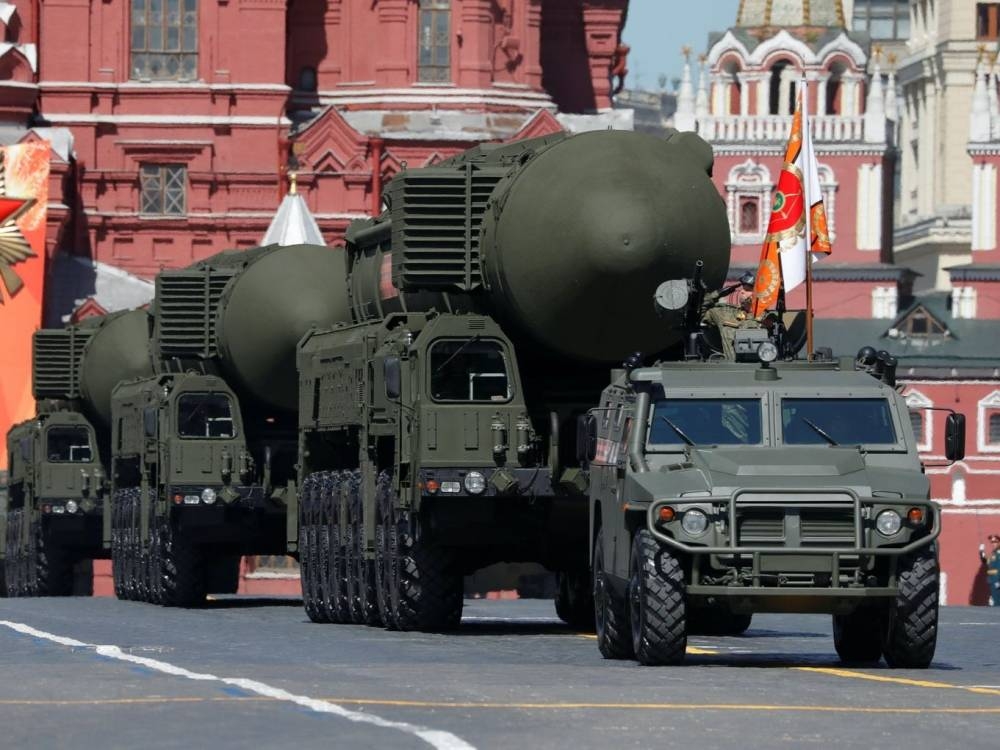
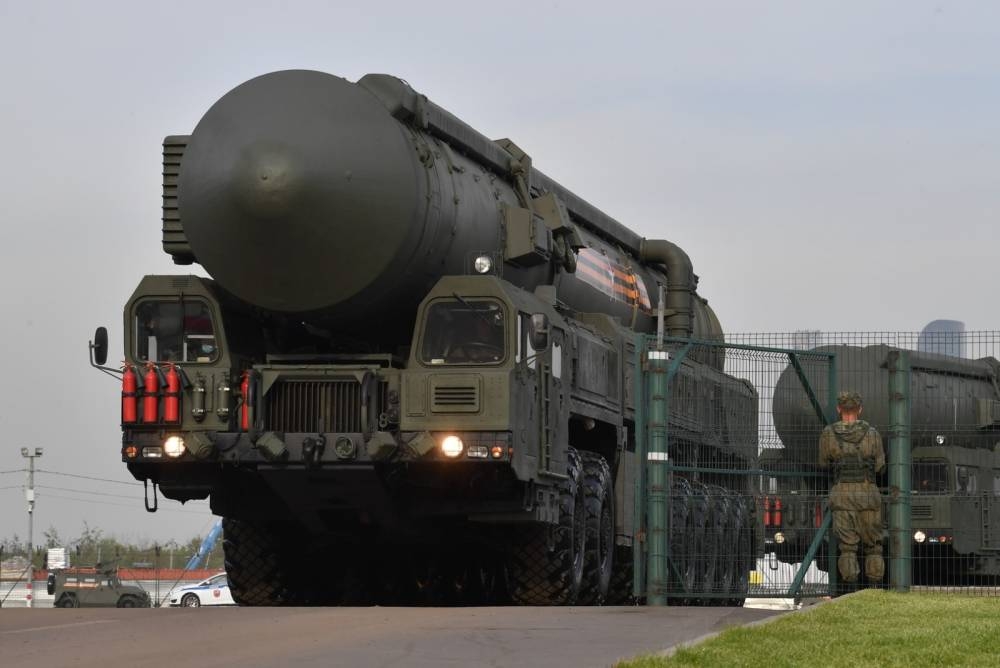
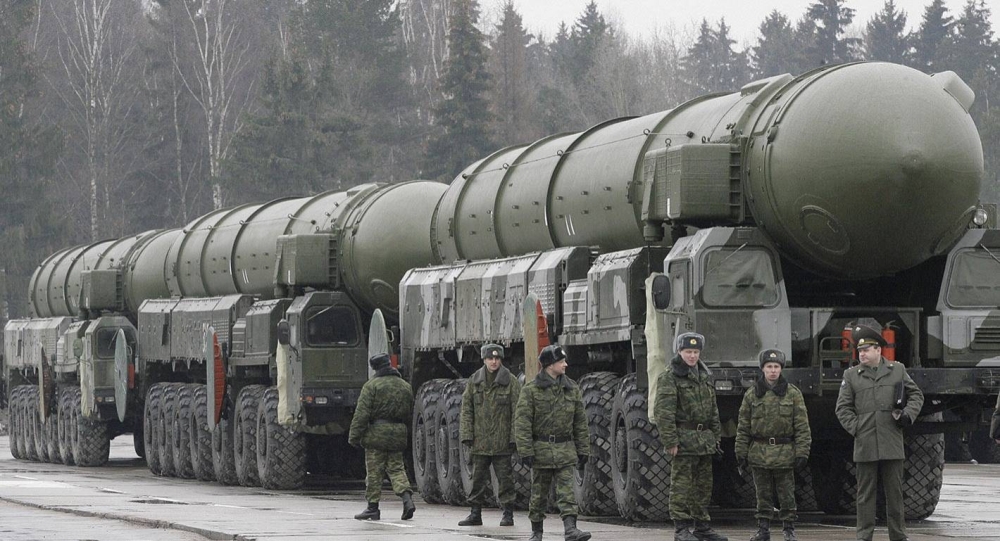
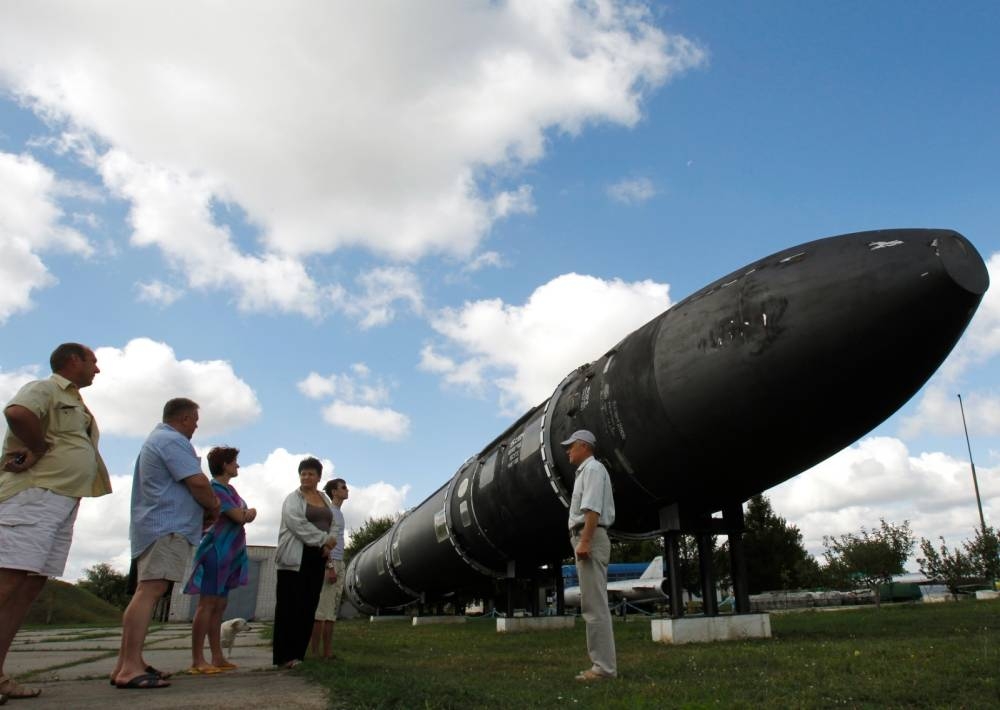
أولاً: الصواريخ الباليستية البرية تشمل صواريخ عابرة للقارات مثل فويفودا (SS-18)، توبول-إم (SS-27 Mod 1)، يارس (SS-24).
صاروخ سرمات (SS-29)، الملقب بـ«ابن الشيطان»، يمثل الجيل الجديد، وقادر على حمل 14 رأساً حربياً فرط صوتية مثل «أفانجارد»، مما يصعب اعتراضه.
ثانياً: قاذفات القنابل الاستراتيجية تضم طائرات مثل Tu-95 Bear-H، التي تحمل 16 صاروخ كروز نووياً، وTu-160 Blackjack، القادرة على إطلاق صواريخ Kh-55MS بمدى 3000 كيلومتر.
ثالثاً: الغواصات النووية، وتشمل فئتي دلتا وبوري، المزودة بصواريخ بولافا التي تحمل حتى 10 رؤوس حربية، ما يعزز الردع البحري.
أهمية الثالوث النووي
يؤكد بوتين أن الثالوث النووي يضمن سيادة روسيا بفضل تنوع وسائطه، ما يجعل الردع فعالاً ضد أي تهديد.
وتمتلك روسيا 5580 رأساً نووياً، تشكل 47% من المخزون العالمي، مع نسبة 95% من أسلحتها النووية الحديثة، وهي الأعلى عالمياً.
هذا التفوق يعزز مكانة موسكو في مواجهة أنظمة الدفاع الصاروخي الغربية، خصوصاً مع تطوير أنظمة مثل يارس-إم وأوسينا، التي تتميز برؤوس حربية متعددة وقدرات مناورة.
ويستهدف برنامج التسليح الجديد تحديث الثالوث النووي عبر إدخال تقنيات متطورة، مثل المركبات الانزلاقية فرط الصوتية وصواريخ «كيدر» التي ستحل محل «يارس» بحلول 2030.
كما تسعى روسيا لتعزيز قدرات غواصات «بوري» بصواريخ إضافية، وتطوير قاذفات استراتيجية مزودة بصواريخ كروز نووية.
يأتي هذا في سياق سباق تسلح عالمي، حيث تزيد دول أخرى استثماراتها في التقنيات العسكرية.
وعلى الرغم من التقدم، تواجه روسيا تحديات مثل تأخير اختبارات صاروخ «سرمات»، وفشل مشاريع مثل صاروخ «بوريفستنيك».
كما أثارت تصريحات بوتين مخاوف دولية من تصعيد نووي، خصوصاً بعد تراجع الشفافية عقب الغزو الروسي لأوكرانيا 2022، ومع ذلك، يظل الثالوث النووي ركيزة استراتيجية لروسيا، تعكس طموحها للحفاظ على هيمنتها العسكرية.
Russian President Vladimir Putin, during a meeting with leaders of the arms industry, affirmed that the nuclear triad remains the fundamental guarantor of Russia's sovereignty and the maintenance of global power balance.
He called for strengthening this strategic system within the new armament program (2027-2036), emphasizing the necessity of developing advanced weapons to keep pace with global military technologies.
Putin pointed out that the share of modern weapons in Russia's strategic nuclear forces is 95%, the highest percentage among all nuclear powers in the world.
The nuclear triad is considered the cornerstone of Russian power, so what is it, and why does it receive such attention?
The nuclear triad consists of three military means capable of carrying nuclear weapons: strategic bombers, land-based ballistic missiles, and submarine-launched ballistic missiles.
First: land-based ballistic missiles include intercontinental missiles such as the Voivoda (SS-18), Topol-M (SS-27 Mod 1), and Yars (SS-24).
The Sarmat missile (SS-29), nicknamed "Satan's Son," represents the new generation and is capable of carrying 14 hypersonic warheads like "Avangard," making it difficult to intercept.
Second: strategic bombers include aircraft such as the Tu-95 Bear-H, which carries 16 nuclear cruise missiles, and the Tu-160 Blackjack, capable of launching Kh-55MS missiles with a range of 3000 kilometers.
Third: nuclear submarines, which include the Delta and Borei classes, equipped with Bulava missiles that can carry up to 10 warheads, enhancing maritime deterrence.
The Importance of the Nuclear Triad
Putin asserts that the nuclear triad guarantees Russia's sovereignty due to its diverse means, making deterrence effective against any threat.
Russia possesses 5,580 nuclear warheads, accounting for 47% of the global stockpile, with 95% of its nuclear weapons being modern, the highest globally.
This superiority enhances Moscow's position against Western missile defense systems, especially with the development of systems like Yars-M and Osina, which feature multiple warheads and maneuverability capabilities.
The new armament program aims to modernize the nuclear triad by introducing advanced technologies, such as hypersonic glide vehicles and "Kedr" missiles that will replace "Yars" by 2030.
Russia also seeks to enhance the capabilities of Borei submarines with additional missiles and develop strategic bombers equipped with nuclear cruise missiles.
This comes amid a global arms race, as other countries increase their investments in military technologies.
Despite the advancements, Russia faces challenges such as delays in testing the "Sarmat" missile and failures in projects like the "Burevestnik" missile.
Putin's statements have raised international concerns about nuclear escalation, especially following the decline in transparency after the Russian invasion of Ukraine in 2022; however, the nuclear triad remains a strategic pillar for Russia, reflecting its ambition to maintain military dominance.