


اعتبر مساعد وزير الخارجية الإيراني للشؤون السياسية مجيد تخت روانجي أنه من المبكر القول إن المفاوضات النووية مع الولايات المتحدة وصلت إلى طريق مسدود. وقال: «من غير المناسب أن نستعجل إصدار الأحكام، فلم يمضِ على انطلاق المحادثات سوى بضعة أشهر». لكنه أكد أن هناك دائماً الكثير من المد والجزر في المفاوضات الدولية.
وأضاف روانجي في مقابلة مع وكالة أنباء «إرنا»، اليوم (الثلاثاء)، أنه سواء كان ذلك في القضايا المتعلقة بالسلام والأمن الدوليين، أو في مجالات مثل التجارة الدولية، فإن أي مفاوضات ذات طابع دولي تنطوي على حساسيات خاصة، وتتطلب الكثير من الصبر وطول البال حتى تصل إلى نتيجة.
ولفت إلى أنه من الطبيعي أن تمر المفاوضات، كما حدث في الجولات السابقة، بمراحل صعبة كنا نعتقد خلالها أن الوصول إلى نتيجة أمر مستحيل، لكننا تجاوزنا تلك المراحل. وقال: «مع تقدمنا أكثر في المسار التفاوضي ووصولنا إلى مزيد من الوثائق المكتوبة، تزداد إمكانية حصول تقلبات ومطبات». وشدد المسؤول الإيراني على أن النقطة الأهم بالنسبة لبلاده هي الحفاظ على المصالح الوطنية، بغض النظر عن سرعة أو بطء تقدم المحادثات. وذكر أن إيران قدمت في الجولة الثالثة نصاً مكتوباً يتضمن النقاط التي رأت أنها يمكن أن تشكل أساساً للعمل، لافتاً إلى أن الطرف الأمريكي لم يقدم أي وثيقة مكتوبة إلا بعد الجولة الخامسة من المفاوضات.
وكشف أن الجولة السادسة ستكون أول جولة سنُدلي فيها بآرائنا حيال ما ورد في الوثائق المكتوبة التي قدمها الطرف الأمريكي.
وحول مسألة «تصفير» تخصيب اليورانيوم على الأراضي الإيرانية، جدد مساعد وزير الخارجية التأكيد على أن موقف بلاده رفض التخلي عن تخصيب اليورانيوم على أراضيها.
وأجرى البلدان 5 جولات تفاوض بوساطة عمانية منذ 12 أبريل سعياً إلى إيجاد بديل للاتفاق الدولي المبرم مع إيران في عام 2015 لكبح برنامجها النووي في مقابل تخفيف العقوبات المفروضة عليها، إلا أن المفاوضات تعثرت عند مسألة تخصيب اليورانيوم، ففي حين أصرت طهران على أن من حقها تخصيب اليورانيوم بموجب معاهدة الحد من انتشار الأسلحة النووية، اعتبرت إدارة الرئيس الأمريكي أن تخصيب إيران لليورانيوم «خط أحمر».
مسؤول إيراني: لم نصل إلى طريق مسدود مع أمريكا
10 يونيو 2025 - 18:47
|
آخر تحديث 10 يونيو 2025 - 18:47
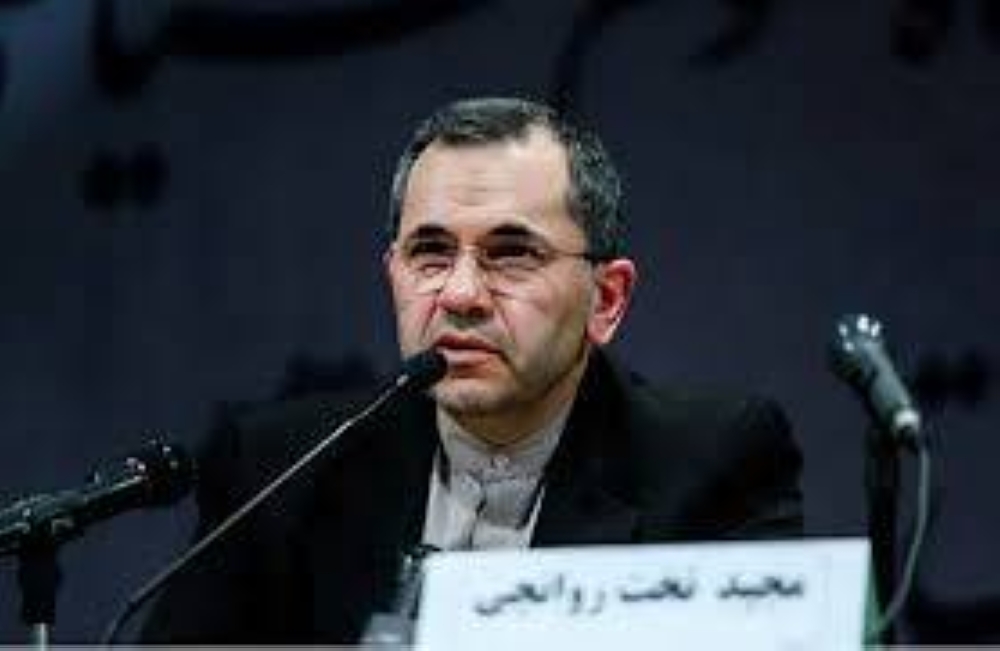
مساعد وزير الخارجية الإيراني


تابع قناة عكاظ على الواتساب
«عكاظ» (طهران) okaz_online@
The Iranian Deputy Foreign Minister for Political Affairs, Majid Takht Ravanchi, considered it premature to say that the nuclear negotiations with the United States have reached a dead end. He stated, "It is inappropriate to rush to judgments, as only a few months have passed since the talks began." However, he emphasized that there are always many ups and downs in international negotiations.
Ravanchi added in an interview with the IRNA news agency today (Tuesday) that whether it is related to issues of international peace and security or in areas such as international trade, any negotiations of an international nature involve specific sensitivities and require a lot of patience and endurance to reach a conclusion.
He pointed out that it is natural for negotiations, as happened in previous rounds, to go through difficult phases during which we believed that reaching a conclusion was impossible, but we have overcome those phases. He said, "As we progress further in the negotiation process and reach more written documents, the possibility of fluctuations and bumps increases." The Iranian official stressed that the most important point for his country is to maintain national interests, regardless of the speed or slowness of the talks' progress. He mentioned that Iran presented a written text in the third round that includes the points it believes could form a basis for work, noting that the American side did not provide any written document until after the fifth round of negotiations.
He revealed that the sixth round will be the first round in which we will express our opinions regarding the content of the written documents submitted by the American side.
Regarding the issue of "zeroing" uranium enrichment on Iranian territory, the Deputy Foreign Minister reiterated that his country's position is to refuse to abandon uranium enrichment on its soil.
The two countries have conducted five rounds of negotiations mediated by Oman since April 12 in an effort to find an alternative to the international agreement reached with Iran in 2015 to curb its nuclear program in exchange for easing the sanctions imposed on it. However, the negotiations stumbled over the issue of uranium enrichment, as Tehran insisted on its right to enrich uranium under the Treaty on the Non-Proliferation of Nuclear Weapons, while the U.S. administration considered Iran's uranium enrichment a "red line."
Ravanchi added in an interview with the IRNA news agency today (Tuesday) that whether it is related to issues of international peace and security or in areas such as international trade, any negotiations of an international nature involve specific sensitivities and require a lot of patience and endurance to reach a conclusion.
He pointed out that it is natural for negotiations, as happened in previous rounds, to go through difficult phases during which we believed that reaching a conclusion was impossible, but we have overcome those phases. He said, "As we progress further in the negotiation process and reach more written documents, the possibility of fluctuations and bumps increases." The Iranian official stressed that the most important point for his country is to maintain national interests, regardless of the speed or slowness of the talks' progress. He mentioned that Iran presented a written text in the third round that includes the points it believes could form a basis for work, noting that the American side did not provide any written document until after the fifth round of negotiations.
He revealed that the sixth round will be the first round in which we will express our opinions regarding the content of the written documents submitted by the American side.
Regarding the issue of "zeroing" uranium enrichment on Iranian territory, the Deputy Foreign Minister reiterated that his country's position is to refuse to abandon uranium enrichment on its soil.
The two countries have conducted five rounds of negotiations mediated by Oman since April 12 in an effort to find an alternative to the international agreement reached with Iran in 2015 to curb its nuclear program in exchange for easing the sanctions imposed on it. However, the negotiations stumbled over the issue of uranium enrichment, as Tehran insisted on its right to enrich uranium under the Treaty on the Non-Proliferation of Nuclear Weapons, while the U.S. administration considered Iran's uranium enrichment a "red line."


