اعتبر نائب الرئيس الأمريكي جيه دي فانس، أن رجل ألأعمال إيلون ماسك يرتكب «خطأ كبيراً» بمهاجمة الرئيس دونالد ترمب، في عاصفة من المنشورات اللاذعة والتحريضية على وسائل التواصل الاجتماعي بعد وقوع خلاف بين الشخصيتين.
وحاول نائب الرئيس في مقابلة تم بثها، أمس الجمعة، بعد مواجهة علنية بين أغنى رجل في العالم والرئيس الأمريكى، أن يقلل من حجم الهجمات اللاذعة لماسك باعتباره «رجلاً عاطفياً» أصيب بإحباط. وأعرب فانس عن أمله أن يعود ماسك مجدداً لموقعه، ربما يكون هذا غير محتمل الآن لأنه كان عنيفاً للغاية. وأضاف فانس: «أعتقد أنه إذا هدأ إيلون قليلاً، ستكون كل الأمور على ما يرام».
وتزامنت تصريحات نائب الرئيس، مع دعوة جمهوريين آخرين لترمب وماسك، اللذين كانا حليفين مقربين قبل شهور وكانا يمضيان معاً وقتاً طويلاً، إلى إصلاح علاقتهما.
وأفصحت صحيفتا «واشنطن بوست ونيويورك تايمز» أن الخلاف بين ترمب وماسك لم يكن وليد تصريحات حادة أخيرة، بل يعود إلى فبراير الماضي، حين بدأت بوادر التوتر داخل أروقة الإدارة الجمهورية.
وكشفتا أن الأزمة بدأت حين شنّ ماسك هجمات علنية ضد ترمب، بلغت حد الدعوة الصريحة لعزله، ما أثار صدمة الرئيس، ودفعه إلى التواصل مع مقربين ومعارف لفهم أبعاد الموقف. وبحسب «واشنطن بوست»، وصف ترمب ماسك في مكالمة خاصة بـ«مدمن مخدرات كبير». فيما أقر ماسك باستخدام مادة الكيتامين، وهو مخدّر قوي، لأغراض علاجية تخص الاكتئاب، لافتاً إلى أنه يستخدمه بوصفة طبية.
وحسب «نيويورك تايمز»، فإن ماسك لجأ للكيتامين بجرعات ملحوظة خلال حملته السياسية، حتى إنه اشتكى لمن حوله من تأثيره على المثانة، وكان يحمل أيضاً علبة دواء تحمل اسم «أديرال».
وتحدثت تقارير أن الخلاف لم يكن مفاجئاً داخل الإدارة الجمهورية، فقد بدأت مؤشرات التوتر بالظهور باكراً، إذ أنه بعد وصول ماسك إلى واشنطن في يناير كمستشار رفيع، بدأ نهجه في «التحرك السريع وكسر القواعد» يصطدم مع البيروقراطية السياسية، ما أزعج قيادات بارزة مثل سوزي وايلز، رئيسة موظفي ترمب.
بماذا علّق نائب ترمب على «عاصفة ماسك»؟
7 يونيو 2025 - 20:27
|
آخر تحديث 7 يونيو 2025 - 20:27
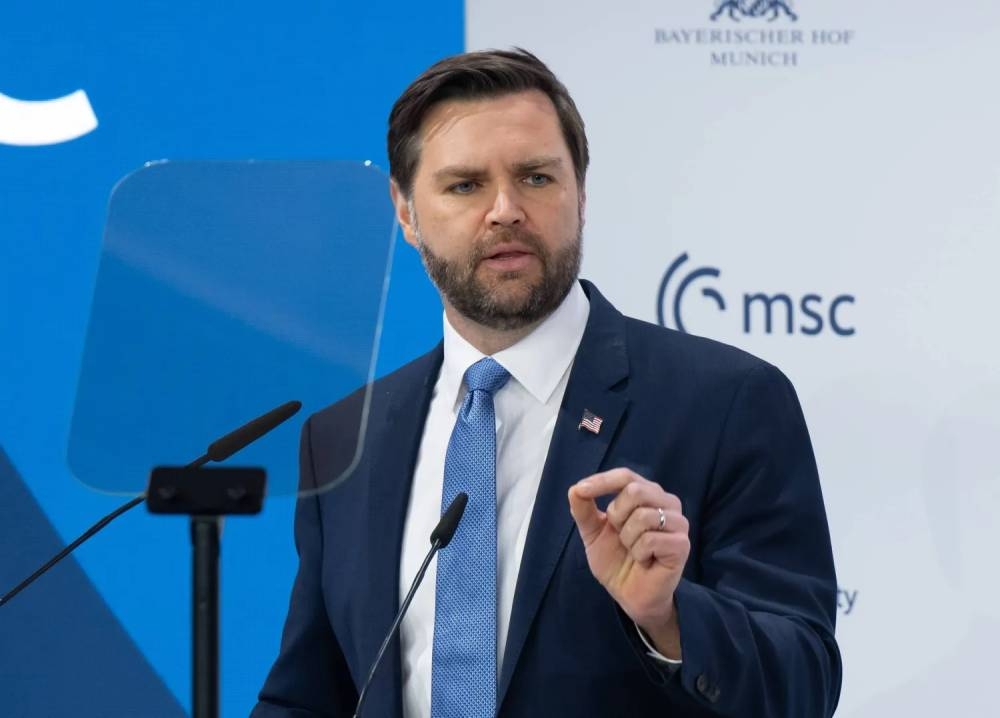
دي فانس


تابع قناة عكاظ على الواتساب
«عكاظ»(واشنطن)okaz_online@
U.S. Vice President J.D. Vance considered that businessman Elon Musk is making a "big mistake" by attacking President Donald Trump, in a storm of sharp and provocative posts on social media following a dispute between the two figures.
In an interview broadcast yesterday, Friday, after a public confrontation between the world's richest man and the American president, the Vice President attempted to downplay Musk's sharp attacks, describing him as an "emotional man" who has become frustrated. Vance expressed hope that Musk would return to his previous position, though this may now be unlikely due to Musk's extreme behavior. Vance added, "I think if Elon calms down a bit, everything will be fine."
The Vice President's remarks coincided with calls from other Republicans for Trump and Musk, who were close allies just months ago and spent a lot of time together, to repair their relationship.
The Washington Post and The New York Times revealed that the dispute between Trump and Musk was not the result of recent sharp statements, but dates back to last February, when signs of tension began to emerge within the Republican administration.
They disclosed that the crisis began when Musk launched public attacks against Trump, reaching the point of openly calling for his impeachment, which shocked the president and prompted him to reach out to close associates and acquaintances to understand the implications of the situation. According to The Washington Post, Trump described Musk in a private call as a "big drug addict." Meanwhile, Musk acknowledged using ketamine, a powerful drug, for therapeutic purposes related to depression, noting that he uses it with a prescription.
According to The New York Times, Musk resorted to noticeable doses of ketamine during his political campaign, even complaining to those around him about its effect on his bladder, and he was also carrying a medication box labeled "Adderall."
Reports indicated that the dispute was not surprising within the Republican administration, as signs of tension began to appear early on; after Musk arrived in Washington in January as a senior advisor, his approach of "moving fast and breaking things" clashed with the political bureaucracy, which annoyed prominent leaders such as Suzy Wiles, Trump's chief of staff.
In an interview broadcast yesterday, Friday, after a public confrontation between the world's richest man and the American president, the Vice President attempted to downplay Musk's sharp attacks, describing him as an "emotional man" who has become frustrated. Vance expressed hope that Musk would return to his previous position, though this may now be unlikely due to Musk's extreme behavior. Vance added, "I think if Elon calms down a bit, everything will be fine."
The Vice President's remarks coincided with calls from other Republicans for Trump and Musk, who were close allies just months ago and spent a lot of time together, to repair their relationship.
The Washington Post and The New York Times revealed that the dispute between Trump and Musk was not the result of recent sharp statements, but dates back to last February, when signs of tension began to emerge within the Republican administration.
They disclosed that the crisis began when Musk launched public attacks against Trump, reaching the point of openly calling for his impeachment, which shocked the president and prompted him to reach out to close associates and acquaintances to understand the implications of the situation. According to The Washington Post, Trump described Musk in a private call as a "big drug addict." Meanwhile, Musk acknowledged using ketamine, a powerful drug, for therapeutic purposes related to depression, noting that he uses it with a prescription.
According to The New York Times, Musk resorted to noticeable doses of ketamine during his political campaign, even complaining to those around him about its effect on his bladder, and he was also carrying a medication box labeled "Adderall."
Reports indicated that the dispute was not surprising within the Republican administration, as signs of tension began to appear early on; after Musk arrived in Washington in January as a senior advisor, his approach of "moving fast and breaking things" clashed with the political bureaucracy, which annoyed prominent leaders such as Suzy Wiles, Trump's chief of staff.