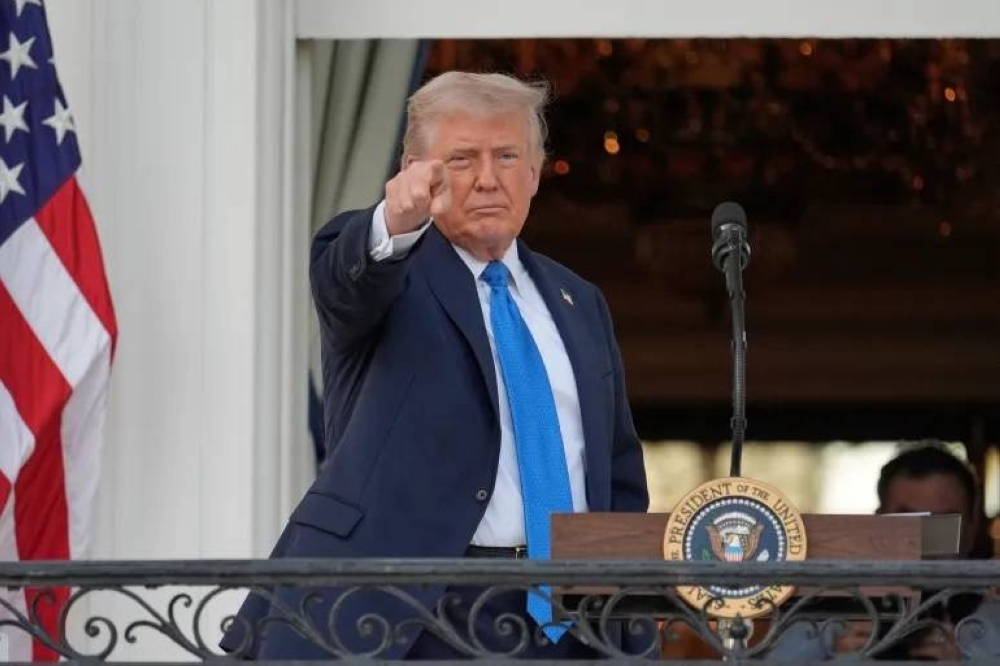
وقّع الرئيس الأمريكي دونالد ترمب، الأربعاء، إعلانا يحظر دخول مواطني بعض الدول، وعزا ذلك إلى مخاوف تتعلق بالأمن القومي.
ويفرض الإعلان قيوداً بشكل كامل، ويحد من دخول مواطني 12 دولة، هي: أفغانستان وميانمار وتشاد والكونغو وغينيا الاستوائية وإريتريا وهايتي وإيران وليبيا والصومال والسودان واليمن.
وقال البيت الأبيض إن الإعلان يفرض قيوداً بشكل جزئي على دخول الأشخاص من سبع دول أخرى هي بوروندي وكوبا ولاوس وسيراليون وتوغو وتركمانستان وفنزويلا.
وكتبت أبيجيل جاكسون المتحدثة باسم البيت الأبيض على «إكس»: «يفي الرئيس ترمب بوعده بحماية الأمريكيين من الجهات الأجنبية الخطيرة التي تريد القدوم إلى بلادنا وإلحاق الأذى بنا».
ووفقاً لبيان صادر عن البيت الأبيض، فإن الدول التي شملها الحظر الكلي «وُجد أنها تعاني من قصور فيما يتعلق بالفحص والتدقيق، وتقرر أنها تشكل خطراً كبيراً جداً على الولايات المتحدة».
وخلال ولايته الأولى، فرض ترمب حظراً على المسافرين من سبع دول ذات أغلبية مسلمة، وهي السياسة التي خضعت لتنقيحات عدة قبل أن تؤيدها المحكمة العليا في عام 2018.
وألغى الرئيس السابق جو بايدن، الذي خلف ترمب، الحظر في عام 2021، ووصفه بأنه «وصمة عار لضميرنا الوطني».
وفي 20 يناير، أصدر ترمب أمراً تنفيذياً يفرض تكثيف عمليات الفحص الأمني على أي أجنبي يسعى إلى دخول الولايات المتحدة للكشف عن أي تهديدات للأمن القومي.
ووجه هذا الأمر عدداً من أعضاء الإدارة إلى تقديم قائمة بحلول 21 مارس بالدول التي ينبغي تعليق السفر منها جزئيّاً أو كليّاً لأن «معلومات التدقيق والفحص فيها ناقصة للغاية».
وتعد توجيهات ترمب جزءاً من حملة على الهجرة أطلقها في بداية فترته الرئاسية الثانية.
وعرض ترمب خطته في خطاب ألقاه في أكتوبر 2023، إذ تعهد وقتها بتقييد دخول الأشخاص القادمين من قطاع غزة وليبيا والصومال وسورية واليمن و«أي مكان آخر يهدد أمننا».
وقال ترمب في رسالة مصورة إنّ «الهجوم الإرهابي الأخير في بولدر، كولورادو، سلّط الضوء على المخاطر الجسيمة التي يتعرّض لها بلدنا بسبب دخول رعايا أجانب دون فحص دقيق».
ويدخل القرار حيز التنفيذ في 9 يونيو الجاري.
إلى ذلك منع ترمب منح تأشيرات دخول للطلاب الأجانب في جامعة هارفارد.
U.S. President Donald Trump signed an announcement on Wednesday banning the entry of citizens from certain countries, attributing this to concerns related to national security.
The announcement imposes a complete ban and restricts the entry of citizens from 12 countries: Afghanistan, Myanmar, Chad, Congo, Equatorial Guinea, Eritrea, Haiti, Iran, Libya, Somalia, Sudan, and Yemen.
The White House stated that the announcement imposes partial restrictions on the entry of individuals from seven other countries: Burundi, Cuba, Laos, Sierra Leone, Togo, Turkmenistan, and Venezuela.
Abigail Jackson, the White House spokesperson, wrote on “X”: “President Trump is fulfilling his promise to protect Americans from dangerous foreign entities that want to come to our country and harm us.”
According to a statement issued by the White House, the countries included in the complete ban “were found to have deficiencies in screening and vetting, and it was determined that they pose a very significant risk to the United States.”
During his first term, Trump imposed a ban on travelers from seven predominantly Muslim countries, a policy that underwent several revisions before being upheld by the Supreme Court in 2018.
Former President Joe Biden, who succeeded Trump, revoked the ban in 2021, describing it as “a stain on our national conscience.”
On January 20, Trump issued an executive order mandating intensified security screening for any foreign national seeking to enter the United States to detect any threats to national security.
This order directed several administration members to provide a list by March 21 of countries from which travel should be partially or completely suspended because “the vetting and screening information is extremely deficient.”
Trump's directives are part of an immigration crackdown he initiated at the beginning of his second presidential term.
Trump presented his plan in a speech delivered in October 2023, during which he pledged to restrict the entry of individuals coming from Gaza, Libya, Somalia, Syria, Yemen, and “anywhere else that threatens our security.”
In a video message, Trump stated that “the recent terrorist attack in Boulder, Colorado, highlighted the grave risks our country faces due to the entry of foreign nationals without thorough vetting.”
The decision will take effect on June 9 of this year.
Additionally, Trump has prohibited the issuance of entry visas for foreign students at Harvard University.