


على خلفية فشله في التوصل إلى اتفاق بشأن خطة حزب الحرية بزعامة النائب اليميني المتطرف خيرت فيلدرز للحد من الهجرة، انهار الائتلاف الحاكم في هولندا، وفق ما أعلنت وكالة «بلومبيرغ» اليوم (الثلاثاء). ويرجح أن يُقدم رئيس الوزراء الهولندي ديك شوف استقالته إلى الملك في وقت لاحق من اليوم.
وأعلن فيلدرز عبر «إكس» أن حزبه الحرية (PVV) سينسحب من حكومة رئيس الوزراء ديك شوف بعد رفض باقي أحزاب الائتلاف الموافقة على خططه بشأن الهجرة واللجوء.
وقال السياسي اليميني المتطرف: «لا توقيع على خططنا المتعلقة باللجوء، لا تعديلات على الاتفاق الإطاري الرئيسي»، معلناً انسحاب حزب الحرية من الائتلاف.
وهدد فيلدرز أمس بأنه إذا لم يتغير شيء أو لم تُجرَ تغييرات كافية فسيغادر حزب الحرية.
وبعد انسحاب فيلدرز لم تعد حكومة شوف تتمتع بالأغلبية، ما قد يُؤدي إلى انتخابات جديدة ويعيد السياسة الهولندية إلى حالة من عدم اليقين.
وقدم فيلدرز في مؤتمر صحفي الأسبوع الماضي خطة من 10 نقاط للحد من الهجرة، شملت إغلاق الحدود بدوريات عسكرية، ورفض جميع طالبي اللجوء عند نقاط الدخول، وتعليق لم شمل العائلات للاجئين المعترف بهم، وترحيل السوريين الحاصلين على تأشيرات مؤقتة. ودعا إلى سياسة ترحيل تلقائي للمهاجرين المدانين بجرائم عنف أو جرائم جنسية.
ويتكون الائتلاف الحاكم -وهو تحالف هشّ- من 4 أحزاب هي: حزب الشعب من أجل الحرية والديمقراطية المحافظ (الذي كان يقوده سابقاً مارك روته)، حزب الحرية، حزب العقد الاجتماعي الجديد الوسطي (NSC)، وحركة المواطنين والمزارعين (BBB)، إلا أن التوترات بشأن الهجرة أدت في النهاية إلى انهيار التحالف.
وأعربت زعيمة حزب BBB كارولين فان دير بلاس عن غضبها الشديد، ووصفت تصرف فيلدرز بأنه «غير مسؤول». وقالت: «إنه يملك كل الأوراق الرابحة، ومع ذلك يسحب البساط من تحت أقدامه»، وفق ما نقل موقع Dutchnews.
فيما اعتبرت نيكولين فان فرونهوفن، التي حلت محل بيتر أومتزيجت في رئاسة مجلس الأمن القومي، أن القرار «غير مفهوم»، بينما أكدت ديلان يسيلجوز، زعيمة ثاني أكبر حزب في الائتلاف الحاكم، حزب الشعب من أجل الحرية والديمقراطية، عدم وجود أي اختلاف في الرأي بين الأحزاب. وقالت: «كانت لدينا أغلبية يمينية، وهو يتخلى عن كل شيء من أجل غروره. إنه يفعل ما يشاء».
بدوره، دعا زعيم حزب الحرية إلى تعليق حصص الاتحاد الأوروبي المتعلقة باللجوء مؤقتاً، وفرض حظر تام على انضمام الأطفال وأفراد أسرهم الآخرين إلى اللاجئين الموجودين بالفعل في هولندا. وقال إن حزبه الأكبر في البرلمان، الذي يملك 37 مقعداً من أصل 150، لن يدعم الائتلاف الرباعي ما لم يُحرز تقدماً كبيراً قبل الصيف.
رئيس الوزراء يقدم استقالته إلى الملك
فشل محادثات الهجرة يطيح بالائتلاف الحكومي في هولندا
3 يونيو 2025 - 14:26
|
آخر تحديث 3 يونيو 2025 - 14:26
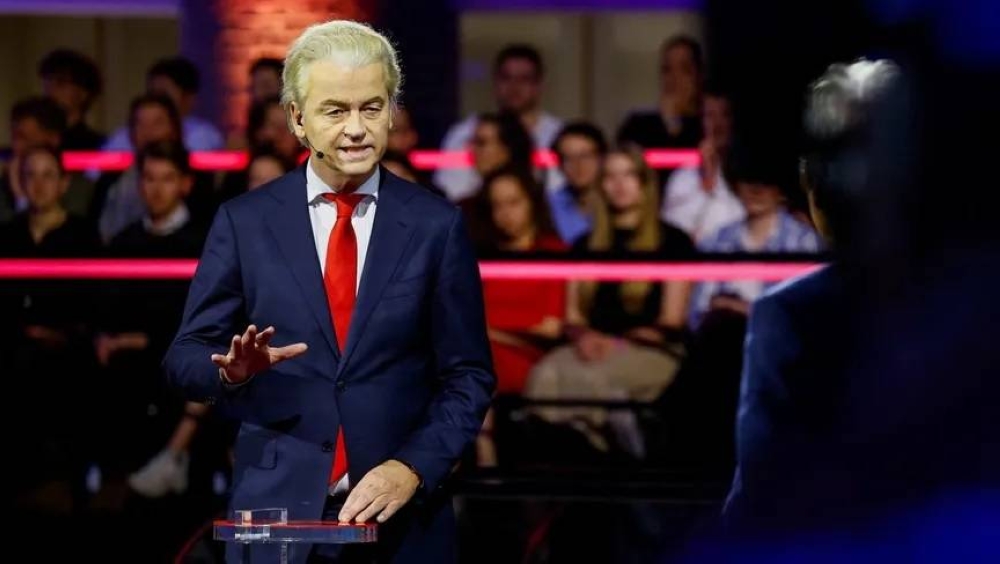
زعيم حزب من أجل الحرية خيرت فيلدرز.


تابع قناة عكاظ على الواتساب
«عكاظ» (جدة) okaz_online@
On the backdrop of his failure to reach an agreement regarding the Freedom Party's plan led by far-right MP Geert Wilders to limit immigration, the ruling coalition in the Netherlands has collapsed, as announced by Bloomberg today (Tuesday). It is likely that Dutch Prime Minister Dick Schoof will submit his resignation to the king later today.
Wilders announced via X that his Freedom Party (PVV) will withdraw from Prime Minister Dick Schoof's government after the other coalition parties refused to agree to his plans regarding immigration and asylum.
The far-right politician stated: “No signing of our asylum plans, no amendments to the main framework agreement,” announcing the withdrawal of the Freedom Party from the coalition.
Wilders threatened yesterday that if nothing changes or if sufficient changes are not made, the Freedom Party will leave.
After Wilders' withdrawal, Schoof's government no longer holds a majority, which could lead to new elections and return Dutch politics to a state of uncertainty.
Last week, Wilders presented a 10-point plan in a press conference to limit immigration, which included closing borders with military patrols, rejecting all asylum seekers at entry points, suspending family reunification for recognized refugees, and deporting Syrians with temporary visas. He called for an automatic deportation policy for immigrants convicted of violent or sexual crimes.
The ruling coalition—a fragile alliance—consists of four parties: the People's Party for Freedom and Democracy (VVD), which was previously led by Mark Rutte, the Freedom Party, the new centrist Social Contract Party (NSC), and the Citizens and Farmers Movement (BBB). However, tensions over immigration ultimately led to the collapse of the coalition.
BBB leader Caroline van der Plas expressed her strong anger, describing Wilders' actions as “irresponsible.” She said: “He has all the winning cards, yet he pulls the rug out from under himself,” according to Dutchnews.
Meanwhile, Nicolien van Vroonhoven, who replaced Peter Omztzigt as head of the National Security Council, deemed the decision “incomprehensible,” while Dilan Yesilgöz, leader of the second-largest party in the ruling coalition, the People's Party for Freedom and Democracy, confirmed that there was no disagreement among the parties. She stated: “We had a right-wing majority, and he is giving up everything for his ego. He does what he wants.”
For his part, the leader of the Freedom Party called for a temporary suspension of EU quotas related to asylum and a complete ban on the joining of children and other family members to refugees already in the Netherlands. He stated that his party, the largest in parliament with 37 seats out of 150, would not support the four-party coalition unless significant progress is made before summer.
Wilders announced via X that his Freedom Party (PVV) will withdraw from Prime Minister Dick Schoof's government after the other coalition parties refused to agree to his plans regarding immigration and asylum.
The far-right politician stated: “No signing of our asylum plans, no amendments to the main framework agreement,” announcing the withdrawal of the Freedom Party from the coalition.
Wilders threatened yesterday that if nothing changes or if sufficient changes are not made, the Freedom Party will leave.
After Wilders' withdrawal, Schoof's government no longer holds a majority, which could lead to new elections and return Dutch politics to a state of uncertainty.
Last week, Wilders presented a 10-point plan in a press conference to limit immigration, which included closing borders with military patrols, rejecting all asylum seekers at entry points, suspending family reunification for recognized refugees, and deporting Syrians with temporary visas. He called for an automatic deportation policy for immigrants convicted of violent or sexual crimes.
The ruling coalition—a fragile alliance—consists of four parties: the People's Party for Freedom and Democracy (VVD), which was previously led by Mark Rutte, the Freedom Party, the new centrist Social Contract Party (NSC), and the Citizens and Farmers Movement (BBB). However, tensions over immigration ultimately led to the collapse of the coalition.
BBB leader Caroline van der Plas expressed her strong anger, describing Wilders' actions as “irresponsible.” She said: “He has all the winning cards, yet he pulls the rug out from under himself,” according to Dutchnews.
Meanwhile, Nicolien van Vroonhoven, who replaced Peter Omztzigt as head of the National Security Council, deemed the decision “incomprehensible,” while Dilan Yesilgöz, leader of the second-largest party in the ruling coalition, the People's Party for Freedom and Democracy, confirmed that there was no disagreement among the parties. She stated: “We had a right-wing majority, and he is giving up everything for his ego. He does what he wants.”
For his part, the leader of the Freedom Party called for a temporary suspension of EU quotas related to asylum and a complete ban on the joining of children and other family members to refugees already in the Netherlands. He stated that his party, the largest in parliament with 37 seats out of 150, would not support the four-party coalition unless significant progress is made before summer.


