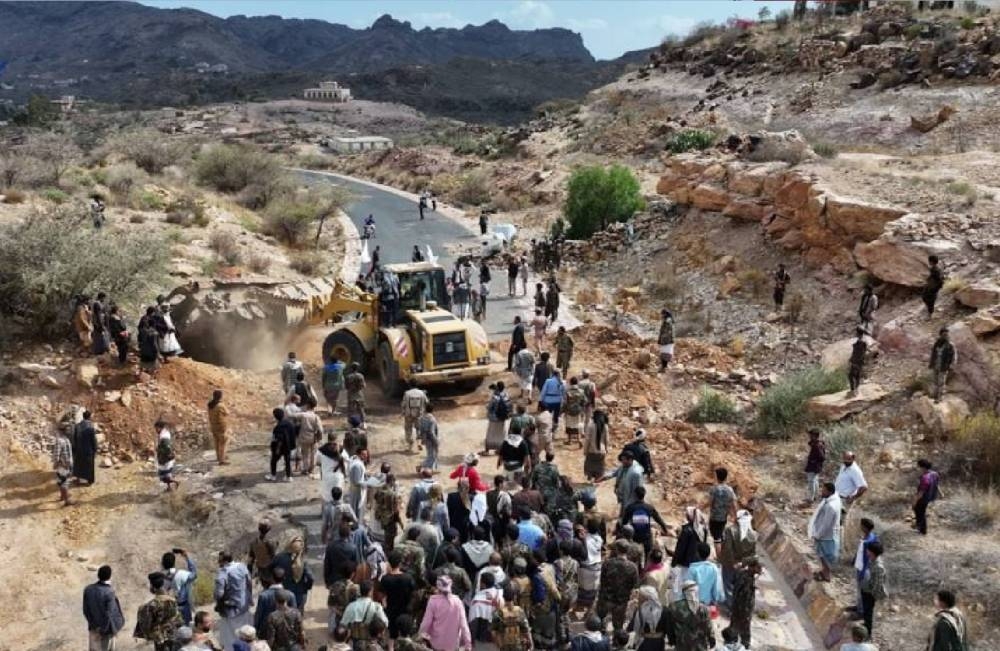
رحّب مبعوث الأمم المتحدة إلى اليمن هانس غروندبرغ، اليوم (الأحد)، بإعادة فتح طريق الضالع الذي يربط بين صنعاء وعدن، والذي ظل مغلقاً منذ عام 2018 نتيجة الحرب الحوثية.
ووصف المبعوث الأممي في بيان إعادة فتح الطريق بـ«الانفراجة» التي من شأنها أن تُخفف معاناة عدد كبير من اليمنيين من خلال تقليص وقت السفر وتحسين حركة التنقل ونقل البضائع على مستوى البلاد، معتبراً أن فتح الطريق يعكس ما تم إحرازه عبر الحوار والتسوية.
وأثني غروندبرغ على الدور الإيجابي الذي لعبته الجهات المحلية الفاعلة عبر خطوط النزاع في تيسير هذه الخطوة المهمة، داعياً جميع الأطراف إلى مواصلة الجهود لفتح المزيد من الطرق، وتغليب مصالح المدنيين في اليمن، والبناء على هذا التقدم.
في غضون ذلك، اتهمت الشبكة اليمنية للحقوق والحريات، جماعة الحوثي بارتكاب أكثر من 15 ألف انتهاك في محافظة ذمار خلال الفترة من يناير 2018 وحتى نهاية مايو 2025، مبينة أن الانتهاكات شملت جرائم قتل وتعذيب واختطاف وإخفاء قسري واقتحام منازل ومنشآت عامة وخاصة، إضافة إلى تجنيد أطفال وزرع ألغام والاستيلاء على ممتلكات عامة وخاصة.
وأشارت إلى أن الحوثي قتل نحو 474 مدنياً، بينهم 32 طفلاً، و12 امرأة، إضافة إلى 19 جريمة اغتيال استهدفت شخصيات اجتماعية وسياسية وعسكرية، في ظل ما وصفته بـ«الانفلات الأمني المتعمد» في مناطق سيطرة الحوثيين، مؤكدة إصابة 218 مدنياً، بينهم 34 طفلاً، واعتقال 1,183 شخصاً بينهم سياسيون وإعلاميون وأكاديميون، لا يزال مصير العديد منهم مجهولاً.
وذكرت إنها وثقت 72 جريمة إخفاء قسري و27 رهينة و614 توقيفاً تعسفيّاً، موضحة إن حالات تعذيب أدت إلى وفاة 12 شخصاً في السجون الحوثية، ووقوع 9 حالات اغتصاب بحق نساء وأطفال، و274 حالة تعذيب نفسي وجسدي، إضافة إلى اعتداءات طالت عمال نظافة خلال إضرابات مطالبة بصرف رواتبهم.
وأفادت الشبكة إنها وثقت تفجير 39 منزلاً و6 محلات تجارية، واقتحام أكثر من 1,300 منزل، ونهب ممتلكات خاصة وعامة، واستخدام مؤسسات مدنية لأغراض عسكرية، واعتداءات على دور عبادة ومرافق تعليمية وصحية، موضحة إن الجماعة أجبرت نحو 2,100 أسرة على النزوح، وقوضت مؤسسات الدولة من خلال تعيينات وإقصاءات، إلى جانب إنشاء معسكرات وتخزين أسلحة وفرض جبايات غير قانونية.
ولفتت الشبكة إلى أن الحوثي جنّد أكثر من 4,400 طفل دون سن 16، قتل منهم ما يزيد على 2,000 طفل في جبهات القتال، وأصيب نحو 1,500 آخرين، مبيناً أن فريق التوثيق رصد وجود 65 سجناً سرياً و30 مقبرة، إضافة إلى 154 انتهاكاً ضد الصحفيين، بينها اختطاف ومنع من التغطية وتوقيف صحف ومنع بيع المطبوعات الصحفية.
The United Nations envoy to Yemen, Hans Grundberg, welcomed today (Sunday) the reopening of the Al-Dhale'e road that connects Sana'a and Aden, which had been closed since 2018 due to the Houthi war.
The UN envoy described the reopening of the road in a statement as a "breakthrough" that would alleviate the suffering of many Yemenis by reducing travel time and improving the movement of people and goods across the country, considering that opening the road reflects what has been achieved through dialogue and settlement.
Grundberg praised the positive role played by local actors across the lines of conflict in facilitating this important step, calling on all parties to continue efforts to open more roads, prioritize the interests of civilians in Yemen, and build on this progress.
Meanwhile, the Yemeni Network for Rights and Freedoms accused the Houthi group of committing more than 15,000 violations in Dhamar governorate between January 2018 and the end of May 2025, indicating that the violations included crimes of murder, torture, kidnapping, enforced disappearance, and the storming of homes and public and private facilities, in addition to the recruitment of children, planting mines, and seizing public and private property.
It pointed out that the Houthis killed about 474 civilians, including 32 children and 12 women, in addition to 19 assassination crimes targeting social, political, and military figures, amid what it described as "deliberate security chaos" in areas controlled by the Houthis, confirming the injury of 218 civilians, including 34 children, and the arrest of 1,183 people, including politicians, journalists, and academics, many of whose fates remain unknown.
It mentioned that it documented 72 cases of enforced disappearance, 27 hostages, and 614 arbitrary detentions, clarifying that cases of torture led to the death of 12 people in Houthi prisons, and there were 9 cases of rape against women and children, and 274 cases of psychological and physical torture, in addition to assaults on sanitation workers during strikes demanding their salaries.
The network reported that it documented the bombing of 39 houses and 6 commercial shops, storming more than 1,300 homes, looting private and public property, using civil institutions for military purposes, and assaults on places of worship and educational and health facilities, clarifying that the group forced about 2,100 families to flee, undermined state institutions through appointments and exclusions, in addition to establishing camps, stockpiling weapons, and imposing illegal taxes.
The network noted that the Houthis recruited more than 4,400 children under the age of 16, of whom more than 2,000 children were killed on the front lines, and about 1,500 others were injured, indicating that the documentation team recorded the existence of 65 secret prisons and 30 cemeteries, in addition to 154 violations against journalists, including kidnapping, prevention from coverage, detention of newspapers, and banning the sale of press publications.