


فيما تدخل الحرب في أوكرانيا عامها الرابع، تتواصل الضغوط الدولية لدفع الطرفين نحو تسوية، ترى «فورين أفيرز»، أن ما يبدو في ظاهره سعياً لـ«سلام شامل» لا يخفي واقعاً مغايراً، فالحرب لم تصل بعد إلى نقطة توازن حقيقية تُمكّن أي طرف من فرض شروطه على الطاولة. وأكدت أن الثقة غائبة، والتصورات المتضاربة حول معنى «السلام» تضع أوكرانيا والغرب أمام مفترق طرق خطير.
ولفتت إلى أن المسؤولين الأوكرانيين جددوا رفضهم التام لأي خطة تقضي بتقديم تنازلات إقليمية لروسيا.
وبالنسبة للرئيس فولوديمير زيلينسكي، فإن أي تفاوض لا ينطلق من انسحاب روسي كامل من الأراضي التي تسيطر عليها موسكو هو بمثابة اعتراف ضمني بشرعية العملية العسكرية.
واعتبرت المجلة الأمريكية أن الرفض يتقاطع مع قناعة أوكرانية متجذّرة بأن روسيا لا تفاوض بصدق، بل تناور لكسب الوقت، فكل هدنة مؤقتة في منظور الكرملين تمثل فرصة لإعادة التموضع العسكري، وبناء دفاعات جديدة، والتحضير لجولة تالية من التصعيد.
ورأت في تقرير لها أن الحديث المتنامي في دوائر السياسة الأمريكية خصوصاً بين الجمهوريين المقربين من الرئيس دونالد ترمب، عن إمكانية فرض «صفقة كبرى» على الطرفين، يعكس انفصالاً متزايداً عن تعقيدات الواقع الميداني والسياسي في شرق أوروبا.
ورأت أن طرح ترمب بإنهاء الحرب يواجه حقائق عنيدة: أولها أن موسكو لا تزال متمسكة بمكاسبها الميدانية، وتسعى لضم أراضٍ جديدة. ثانيها أن كييف باتت ترى الحرب معركة وجود، وليست مجرد نزاع حدودي. وثالثها، وربما الأهم، أن أوروبا غير مستعدة لدفع ثمن سلام يقوم على إضعاف أوكرانيا، إذ سيُفسر ذلك في الكرملين بضوء أخضر لاجتياحات جديدة.
ووفق المجلة، فإن الأزمة الراهنة تكمن في غياب استراتيجية غربية متكاملة تربط بين الضغط العسكري على الأرض وبين مسار تفاوضي جدي. فيما يستغل الكرملين هذه الثغرات، ويعتمد على تراجع زخم الدعم الغربي، وبروز أصوات تنادي بـ«تعب التبرعات»، في حين تواصل روسيا استنزاف قدرات كييف وفرض واقع ميداني معقد..
ولفتت إلى أن كييف تصرّ على ثلاثة شروط لأي عملية سياسية ذات مصداقية: الانسحاب الكامل للقوات الروسية، محاسبة موسكو على الجرائم المرتكبة خلال الحرب، وضمانات أمنية دولية ملزمة.
أما في غياب هذه الشروط، فإن أي تفاوض لن يكون سوى غطاء مؤقت لفرض وقائع دائمة على الأرض.
وحسب التقرير، فإن الرغبة الأمريكية في «الخروج الآمن» من الملف الأوكراني، بعد عودة ترمب إلى البيت الأبيض، أصبحت بمثابة فرصة تاريخية لبوتين لإملاء شروطه.
وحذّر من أنه إذا بقي الدعم الغربي قائماً، فمن المرجح أن تبقى الحرب في حالة استنزاف طويل، يعوّل فيه الطرفان على تغير التوازنات لاحقاً.
وفي الحالتين، فإن غياب استراتيجية موحدة تربط بين الأرض والمفاوضات سيبقي فجوة السلام قائمة، وقد تتحول هذه الفجوة إلى فوضى إقليمية أوسع.
تدخل عامها الرابع وسط غياب الثقة
حرب أوكرانيا أمام مفترق طرق خطير
31 مايو 2025 - 16:21
|
آخر تحديث 31 مايو 2025 - 16:21
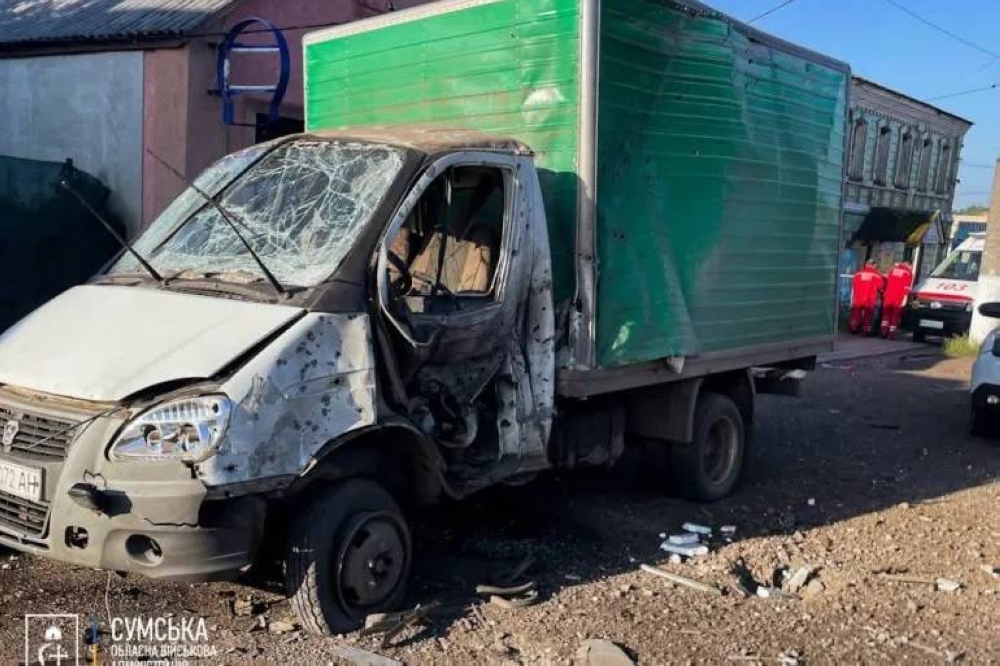
من قصف روسي على خاركيف.


تابع قناة عكاظ على الواتساب
«عكاظ» (جدة، عواصم) okaz_online@
As the war in Ukraine enters its fourth year, international pressures continue to push both sides towards a settlement. "Foreign Affairs" notes that what appears to be an effort for a "comprehensive peace" conceals a different reality; the war has not yet reached a point of true equilibrium that would allow either side to impose its terms at the negotiating table. It emphasized that trust is absent, and the conflicting perceptions of what "peace" means place Ukraine and the West at a dangerous crossroads.
It pointed out that Ukrainian officials have reiterated their complete rejection of any plan that involves making territorial concessions to Russia.
For President Volodymyr Zelensky, any negotiation that does not start with a complete Russian withdrawal from the territories controlled by Moscow is tantamount to an implicit recognition of the legitimacy of the military operation.
The American magazine considered that this rejection intersects with a deeply rooted Ukrainian conviction that Russia does not negotiate in good faith but rather maneuvers to buy time. Every temporary ceasefire, in the Kremlin's view, represents an opportunity for military repositioning, building new defenses, and preparing for the next round of escalation.
In its report, it observed that the growing discourse in American political circles, especially among Republicans close to President Donald Trump, about the possibility of imposing a "grand deal" on both sides reflects an increasing detachment from the complexities of the battlefield and political reality in Eastern Europe.
It noted that Trump's proposal to end the war faces stubborn realities: first, Moscow remains committed to its territorial gains and seeks to annex new lands. Second, Kyiv now views the war as a battle for existence, not just a border dispute. Third, and perhaps most importantly, Europe is not prepared to pay the price for a peace that undermines Ukraine, as this would be interpreted in the Kremlin as a green light for new invasions.
According to the magazine, the current crisis lies in the absence of a comprehensive Western strategy that links military pressure on the ground with a serious negotiating track. Meanwhile, the Kremlin exploits these gaps, relying on the waning momentum of Western support and the emergence of voices calling for "donation fatigue," while Russia continues to drain Kyiv's capabilities and impose a complex battlefield reality.
It highlighted that Kyiv insists on three conditions for any credible political process: the complete withdrawal of Russian forces, accountability for Moscow regarding the crimes committed during the war, and binding international security guarantees.
In the absence of these conditions, any negotiation would merely serve as a temporary cover to impose permanent realities on the ground.
According to the report, the American desire for a "safe exit" from the Ukrainian file, following Trump's return to the White House, has become a historical opportunity for Putin to dictate his terms.
It warned that if Western support remains, it is likely that the war will continue in a prolonged state of attrition, with both sides counting on a later shift in balances.
In either case, the absence of a unified strategy linking the ground and negotiations will keep the peace gap open, and this gap could turn into broader regional chaos.
It pointed out that Ukrainian officials have reiterated their complete rejection of any plan that involves making territorial concessions to Russia.
For President Volodymyr Zelensky, any negotiation that does not start with a complete Russian withdrawal from the territories controlled by Moscow is tantamount to an implicit recognition of the legitimacy of the military operation.
The American magazine considered that this rejection intersects with a deeply rooted Ukrainian conviction that Russia does not negotiate in good faith but rather maneuvers to buy time. Every temporary ceasefire, in the Kremlin's view, represents an opportunity for military repositioning, building new defenses, and preparing for the next round of escalation.
In its report, it observed that the growing discourse in American political circles, especially among Republicans close to President Donald Trump, about the possibility of imposing a "grand deal" on both sides reflects an increasing detachment from the complexities of the battlefield and political reality in Eastern Europe.
It noted that Trump's proposal to end the war faces stubborn realities: first, Moscow remains committed to its territorial gains and seeks to annex new lands. Second, Kyiv now views the war as a battle for existence, not just a border dispute. Third, and perhaps most importantly, Europe is not prepared to pay the price for a peace that undermines Ukraine, as this would be interpreted in the Kremlin as a green light for new invasions.
According to the magazine, the current crisis lies in the absence of a comprehensive Western strategy that links military pressure on the ground with a serious negotiating track. Meanwhile, the Kremlin exploits these gaps, relying on the waning momentum of Western support and the emergence of voices calling for "donation fatigue," while Russia continues to drain Kyiv's capabilities and impose a complex battlefield reality.
It highlighted that Kyiv insists on three conditions for any credible political process: the complete withdrawal of Russian forces, accountability for Moscow regarding the crimes committed during the war, and binding international security guarantees.
In the absence of these conditions, any negotiation would merely serve as a temporary cover to impose permanent realities on the ground.
According to the report, the American desire for a "safe exit" from the Ukrainian file, following Trump's return to the White House, has become a historical opportunity for Putin to dictate his terms.
It warned that if Western support remains, it is likely that the war will continue in a prolonged state of attrition, with both sides counting on a later shift in balances.
In either case, the absence of a unified strategy linking the ground and negotiations will keep the peace gap open, and this gap could turn into broader regional chaos.


