


قتل شخصان وأصيب 5 في قصف لقوات الدعم السريع استهدف مستشفى الأبيض في شمال كردفان، فيما أعلن مستشفى الأبيض الدولي بمدينة الأبيض بولاية شمال كردفان خروجه عن الخدمة إلى أجل غير مسمى. وأفاد المستشفى في بيان، اليوم (الجمعة)، بأن مبانيه تضررت إثر استهدافه بمسيرة من قبل الدعم السريع.
وتحدثت تقارير أن قوات الدعم السريع قصفت مناطق في مدينة الأبيض في شمال كردفان، فيما أكدت قوات الدعم أنها تتقدم من الجهة الجنوبية لمدينة الأبيض.
وأعلن مصدر عسكري أن قوات الدعم السريع استهدفت بالمدفعية الثقيلة الأحياء السكنية في مدينة الأبيض، مضيفا أنها قصفت أيضا مستشفى الضمان والسلاح الطبي في وسط المدينة.
من جانبها، حذرت منظمة الأمم المتحدة للطفولة (يونسيف) من أن أكثر من مليون طفل معرضون للخطر مع انتشار الكوليرا في ولاية الخرطوم.
وأعلنت في بيان لها الإبلاغ عن أكثر من 7700 حالة إصابة بالكوليرا بما في ذلك أكثر من 1000 حالة في أطفال دون سن الخامسة و185 حالة وفاة مرتبطة بالمرض في ولاية الخرطوم منذ يناير 2025.
وتعمل «اليونيسف» وشركاؤها بالتعاون مع وزارة الصحة الاتحادية للحد من انتشار هذا المرض القاتل وإنقاذ الأرواح.
ومنذ بداية النزاع، اضطر أكثر من 3 ملايين شخص إلى الفرار من منازلهم في ولاية الخرطوم، وتضررت حياة الملايين. ومع تحسن إمكانية الوصول إلى أجزاء واسعة من الولاية، عاد أكثر من 34 ألف شخص إلى ولاية الخرطوم منذ بداية عام 2025.
ويعود معظمهم إلى منازل مدمرة في مناطق تفتقر إلى الخدمات الأساسية، بما في ذلك المياه والصرف الصحي، التي تُعدّ ضرورية للوقاية من الأمراض.
وأدت الهجمات المتكررة على محطات الطاقة في ولاية الخرطوم خلال الشهر الماضي إلى انقطاع التيار الكهربائي وزيادة حدة نقص المياه، ما أثر بشكل كبير على إمكانية الوصول إلى المياه الآمنة والنظيفة، ما دفع العديد من الأسر إلى جمع المياه من مصادر غير آمنة وملوثة، الأمر الذي زاد من خطر الإصابة بالكوليرا وغيرها من الأمراض المنقولة عبر المياه، خصوصا في الأحياء المكتظة ومواقع النزوح.
وارتفعت حالات الإصابة بالكوليرا بشكل كبير من 90 حالة يوميا إلى 815 إصابة يوميا في الفترة بين 15 و25 مايو، أي بزيادة 9 أضعاف خلال 10 أيام فقط.
إضافة إلى ذلك، تواجه اثنتان من محليات الولاية جبل أولياء والخرطوم خطر المجاعة، وتمثلان 33٪ من إجمالي 307,000 طفل يعانون من سوء التغذية الحاد في الولاية.
قتيلان و5 مصابين
«الدعم السريع» يستهدف مستشفى الأبيض شمال كردفان
30 مايو 2025 - 12:28
|
آخر تحديث 30 مايو 2025 - 12:28
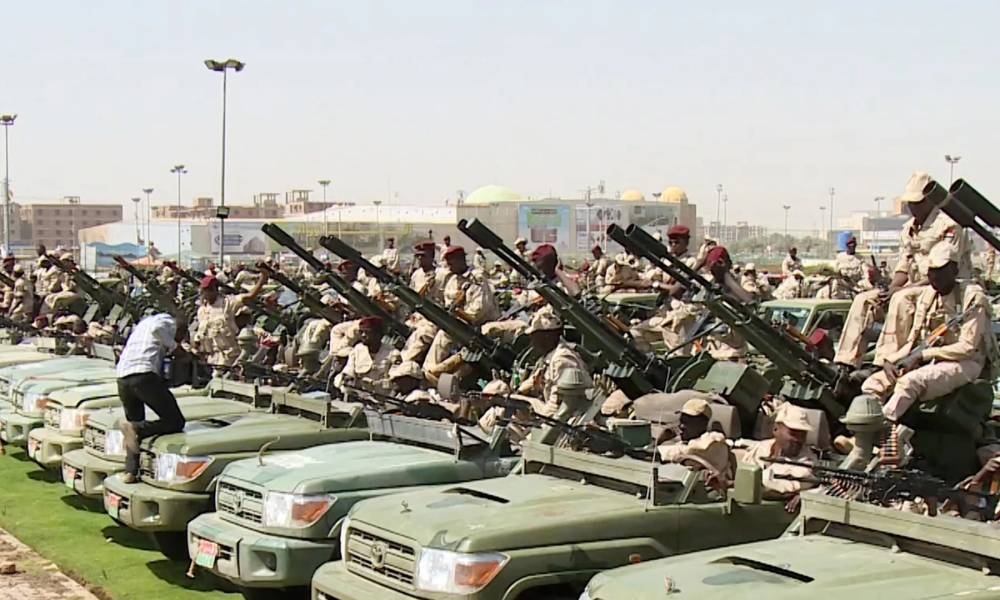
عناصر من القوات المسلحة السودانية


تابع قناة عكاظ على الواتساب
«عكاظ» (جدة) okaz_online@
Two people were killed and five were injured in a shelling by the Rapid Support Forces that targeted the Al-Obeid Hospital in North Kordofan, while the Al-Obeid International Hospital in the city of Al-Obeid, North Kordofan, announced its suspension of services indefinitely. The hospital stated in a statement today (Friday) that its buildings were damaged following a drone strike by the Rapid Support Forces.
Reports indicated that the Rapid Support Forces shelled areas in the city of Al-Obeid in North Kordofan, while the Rapid Support Forces confirmed that they are advancing from the southern side of the city of Al-Obeid.
A military source announced that the Rapid Support Forces targeted residential neighborhoods in the city of Al-Obeid with heavy artillery, adding that they also shelled the Al-Dhaman Hospital and the Medical Corps in the city center.
For its part, the United Nations Children’s Fund (UNICEF) warned that more than one million children are at risk as cholera spreads in Khartoum State.
It announced in a statement that more than 7,700 cases of cholera have been reported, including over 1,000 cases in children under five and 185 deaths related to the disease in Khartoum State since January 2025.
UNICEF and its partners are working in collaboration with the Federal Ministry of Health to curb the spread of this deadly disease and save lives.
Since the beginning of the conflict, more than 3 million people have been forced to flee their homes in Khartoum State, and millions of lives have been affected. As access to large areas of the state has improved, more than 34,000 people have returned to Khartoum State since the beginning of 2025.
Most of them are returning to destroyed homes in areas lacking basic services, including water and sanitation, which are essential for disease prevention.
Repeated attacks on power stations in Khartoum State over the past month have led to power outages and increased water shortages, significantly affecting access to safe and clean water, prompting many families to collect water from unsafe and contaminated sources, which has increased the risk of cholera and other waterborne diseases, especially in overcrowded neighborhoods and displacement sites.
Cholera cases have surged dramatically from 90 cases daily to 815 cases daily between May 15 and 25, marking a ninefold increase in just 10 days.
Additionally, two localities in the state, Jebel Awliya and Khartoum, are facing the risk of famine, representing 33% of the total 307,000 children suffering from acute malnutrition in the state.
Reports indicated that the Rapid Support Forces shelled areas in the city of Al-Obeid in North Kordofan, while the Rapid Support Forces confirmed that they are advancing from the southern side of the city of Al-Obeid.
A military source announced that the Rapid Support Forces targeted residential neighborhoods in the city of Al-Obeid with heavy artillery, adding that they also shelled the Al-Dhaman Hospital and the Medical Corps in the city center.
For its part, the United Nations Children’s Fund (UNICEF) warned that more than one million children are at risk as cholera spreads in Khartoum State.
It announced in a statement that more than 7,700 cases of cholera have been reported, including over 1,000 cases in children under five and 185 deaths related to the disease in Khartoum State since January 2025.
UNICEF and its partners are working in collaboration with the Federal Ministry of Health to curb the spread of this deadly disease and save lives.
Since the beginning of the conflict, more than 3 million people have been forced to flee their homes in Khartoum State, and millions of lives have been affected. As access to large areas of the state has improved, more than 34,000 people have returned to Khartoum State since the beginning of 2025.
Most of them are returning to destroyed homes in areas lacking basic services, including water and sanitation, which are essential for disease prevention.
Repeated attacks on power stations in Khartoum State over the past month have led to power outages and increased water shortages, significantly affecting access to safe and clean water, prompting many families to collect water from unsafe and contaminated sources, which has increased the risk of cholera and other waterborne diseases, especially in overcrowded neighborhoods and displacement sites.
Cholera cases have surged dramatically from 90 cases daily to 815 cases daily between May 15 and 25, marking a ninefold increase in just 10 days.
Additionally, two localities in the state, Jebel Awliya and Khartoum, are facing the risk of famine, representing 33% of the total 307,000 children suffering from acute malnutrition in the state.


