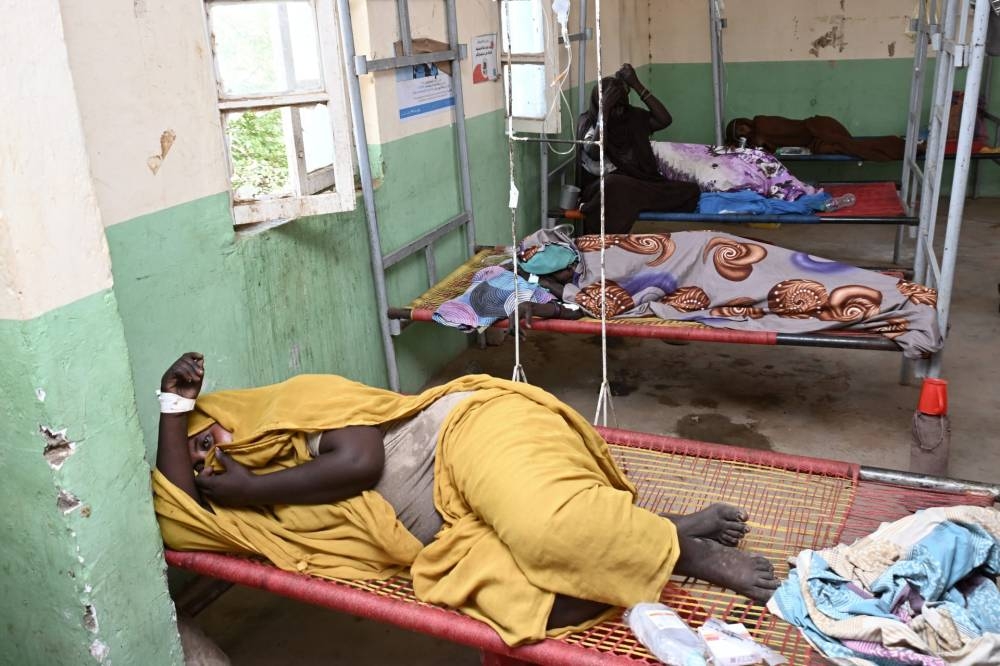
أكدت وزارة الصحة في السودان اليوم (الخميس) وفاة 70 مصاباً بمرض الكوليرا خلال الـ48 ساعة الماضية، مؤكدة أن نسبة الشفاء وسط المصابين بالكوليرا في مراكز العزل بلغت 89%، فيما انخفضت حالات الإصابة والوفاة بالجائحة طبقاً لرصد الحالات خلال اليومين الماضيين.
وقال مدير الإدارة العامة للطوارئ والأوبئة بالوزارة محمد التجاني في تقريره إن الأجهزة المختصة رصدت 942 حالة إصابة و25 حالة وفاة أمس (الأربعاء)، فيما رصدت 1177 حالة إصابة و45 حالة وفاة (الثلاثاء)، معزياً أسباب الإصابات إلى تردي البيئة، وتلوث المياه.
ونفى التجاني وجود إصابات بالتسمم الكيميائي، مؤكداً تكثيف التدخل بهدف الاكتشاف المبكر عبر فرق الاستجابة السريعة، فضلاً عن توفير الأدوية اللازمة، والتأكد من توفير المياه النقية وسلامتها.
وأشار تقرير سابق إلى أنّ 51 شخصا لقوا مصرعهم في الأسابيع الثلاثة الأولى من مايو في البلد الغارق في الحرب، حيث نزح 70% من السكان، وأصبح 90% من محطات ضخ المياه خارج الخدمة، وفق مكتب الأمم المتحدة لتنسيق الشؤون الإنسانية.
وكانت نقابة أطباء السودان قد حذرت (الثلاثاء) من خطر الكوليرا، مبينة أن عدد الضحايا أكبر بكثير مع مئات الوفيات في العاصمة وحدها.
وشدّدت النقابة على أنّ مستشفيات العاصمة تعاني من نقص حاد في «المحاليل الوريدية» ومصادر المياه النظيفة ومن غياب شبه تام لأجهزة التعقيم.
وقال طبيب في مستشفى النو في أم درمان إن هذه المياه غير المعالجة هي السبب الرئيسي لانتشار الوباء، موضحاً أن الكوليرا مرض متوطن أصلاً في السودان، لكن العدوى أصبحت أكثر تواتراً وضراوة بسبب انهيار المنشآت الصحية والأضرار الناجمة عن الحرب.
The Ministry of Health in Sudan confirmed today (Thursday) the death of 70 individuals infected with cholera in the past 48 hours, stating that the recovery rate among cholera patients in isolation centers reached 89%, while the number of infections and deaths from the pandemic has decreased according to the monitoring of cases over the past two days.
The Director of the General Directorate of Emergencies and Epidemics at the ministry, Mohamed Al-Tijani, stated in his report that the relevant authorities recorded 942 cases of infection and 25 deaths yesterday (Wednesday), while 1,177 cases of infection and 45 deaths were recorded on Tuesday, attributing the causes of infections to environmental degradation and water pollution.
Al-Tijani denied the existence of cases of chemical poisoning, confirming the intensification of interventions aimed at early detection through rapid response teams, in addition to providing necessary medications and ensuring the availability and safety of clean water.
A previous report indicated that 51 people lost their lives in the first three weeks of May in the war-torn country, where 70% of the population has been displaced, and 90% of water pumping stations are out of service, according to the United Nations Office for the Coordination of Humanitarian Affairs.
The Sudanese Doctors' Syndicate had warned (on Tuesday) of the danger of cholera, indicating that the number of victims is much higher, with hundreds of deaths in the capital alone.
The syndicate emphasized that hospitals in the capital are suffering from a severe shortage of "intravenous solutions," clean water sources, and a near-total absence of sterilization equipment.
A doctor at Al-No Hospital in Omdurman stated that this untreated water is the main reason for the spread of the epidemic, explaining that cholera is already an endemic disease in Sudan, but the infection has become more frequent and severe due to the collapse of health facilities and the damage caused by the war.