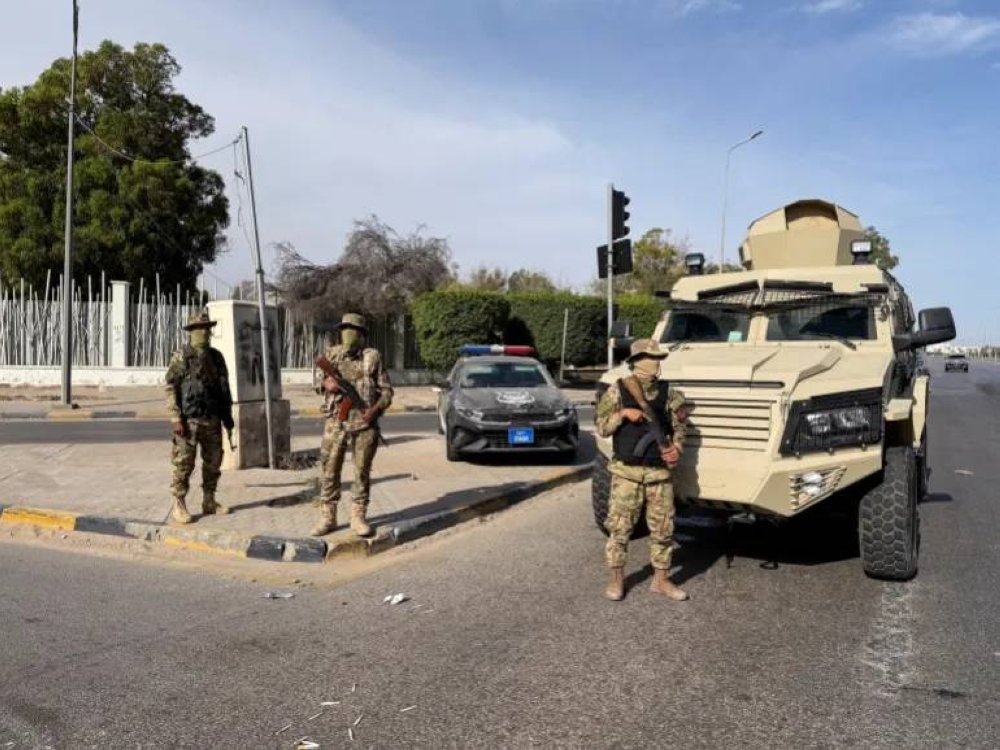
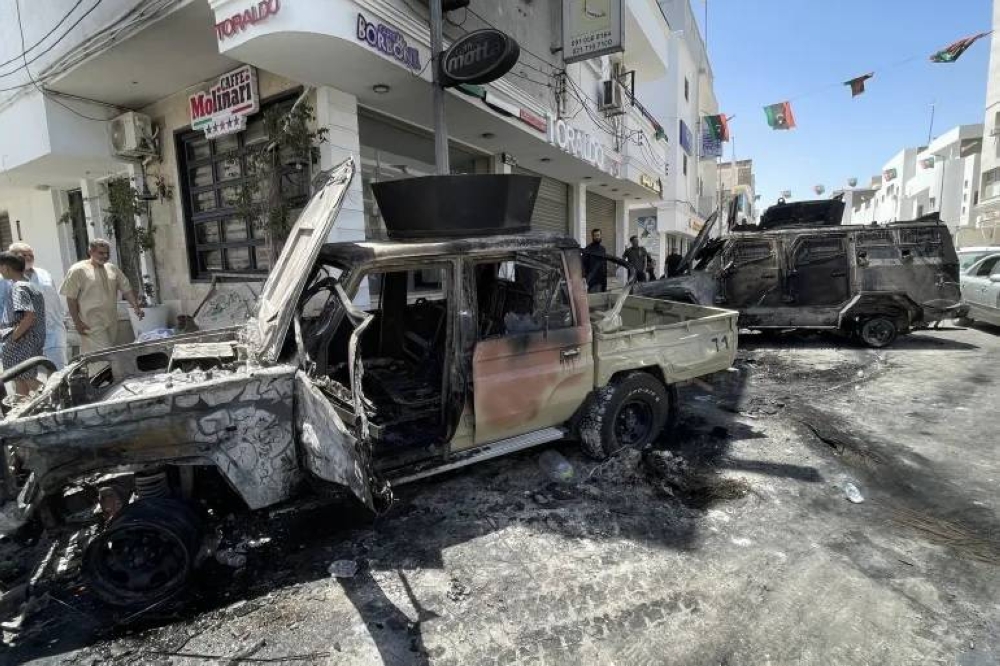
وسط مخاوف من الانزلاق إلى دوامة حرب أهلية جديدة، أعادت الاشتباكات في طرابلس مشاهد الفوضى والانقسام الأمني والسياسي في ليبيا إلى الواجهة من جديد، بعد استقرار أمني نسبي منذ توقيع اتفاق جنيف 2021.
وشهدت العاصمة الليبية مواجهات دامية بين قوات «اللواء 444 قتال» التابعة لحكومة الوحدة الوطنية، وقوات «جهاز الردع» بإمرة عبد الرؤوف كارة، التابعة شكلياً للمجلس الرئاسي منذ 2018.
وأسفرت المعارك عن سقوط قتلى، وحصول دمار على خلفية إصدار حكومة الوحدة (المعترف بها دولياً) قرارات بإعادة هيكلة بعض الأجهزة الأمنية في العاصمة وإبعاد قادتها.
الاشتباكات أعقبت مقتل القائد الميداني عبد الغني الككلي (غنيوة) في اجتماع رسمي بمقر «اللواء 444»، وسيطرة الحكومة على جميع مقراته الأمنية، ما اعتبره البعض محاولة من رئيس حكومة الوحدة عبد الحميد الدبيبة لتوسيع سيطرته على المنطقة الغربية بالكامل، خصوصا أن وزارة الدفاع تمكنت من تنفيذ وقف لإطلاق النار رسمياً مساء الخميس، ونشرت وحدات أمنية محايدة في عدد من نقاط التماس، لتجنب المزيد من الخسائر في الأرواح والممتلكات، بعد قتال امتد نطاقه ليطال مناطق حيوية داخل طرابلس.
وأصدر رئيس الحكومة قراراً بحل «الأجهزة الأمنية الموازية»، مؤكداً أنه «سيتم الضرب بيد من حديد» على المخالفين، خلال اجتماع أمني عالي المستوى مساء الثلاثاء الماضي، بحضور وزير الداخلية المكلف اللواء عماد مصطفى الطرابلسي، ووكيل وزارة الدفاع عبدالسلام الزوبي، وآمر «اللواء 444 قتال» اللواء محمود حمزة، إذ تسعى حكومة الوحدة لإعادة هيكلة المشهد الأمني كخطوة أولى لتنفيذ الخطة الأمريكية التي قدمتها واشنطن لطرابلس في فبراير الماضي والهادفة إلى تشكيل قوة عسكرية تتولى مهمات مكافحة الإرهاب والهجرة، تحت مظلة جيش موحد يتبع حكومة الوحدة الوطنية.
لكن رئيس المجلس الرئاسي محمد المنفي رفض هذه الإجراءات وسارع إلى تجميد قرارات حكومة الوحدة الوطنية، بل اعتبرها حكومة غير شرعية، ولا يحق لها الاستمرار في ممارسة مهماتها. فيما نفت الحكومة ما تردد عن وجود استقالات بين أعضائها.
لكن ما هي أسباب هذا التصعيد؟
على خلفية الضغوط الدولية، تحاول حكومة الدبيبة إعادة توزيع النفوذ الأمني في طرابلس لصالحها قبل الاستحقاقات القادمة، خصوصاً بعد الحديث عن خطة أمريكية لدعم قوة نظامية موحدة في غرب ليبيا.
فيما تخشى «قوات الردع» فقدان شرعيتها ونفوذها ومواقعها التي حصلت عليها منذ سنوات الثورة، خوفاً من تعرضها لمحاكمات دولية بشأن الانتهاكات الإنسانية التي تتهَم بها، بعد مطالبة المدعي العام للمحكمة الجنائية الدولية كريم خان النيابة العامة لحكومة الوحدة بتسليم آمر جهاز الشرطة القضائية رئيس سجن معيتيقة أسامة نجيم للمحاكمة الدولية.
ويعكس تجدد الصراع حجم الأزمة السياسية وغياب دولة المؤسسات، فضلاً عن أنه
يكشف هشاشة الوضع الأمني في طرابلس الذي لا يزال رهينة المجموعات المسلحة، أضف إلى ذلك أنه يعمق حالة الجمود السياسي ويعرقل جهود الأمم المتحدة المتعثرة لاستئناف المسار الانتخابي المتوقف.
وزادت المواجهات الأخيرة من مخاوف الشارع الليبي بعودة شبح الحرب الأهلية، خصوصاً مع تنامي حالة الانقسام السياسي بين الشرق والغرب، الأمر الذي يهدد بانهيار الجهود الساعية إلى إيجاد حل سياسي سلمي، والحيلولة دون الانزلاق إلى الفوضى والحرب من جديد.
Amid fears of slipping into a new spiral of civil war, the clashes in Tripoli have brought back scenes of chaos and security and political division in Libya to the forefront, following a relative security stability since the signing of the Geneva Agreement in 2021.
The Libyan capital witnessed bloody confrontations between the "444 Combat Brigade" forces affiliated with the Government of National Unity and the "Deterrence Force" led by Abdul Raouf Kara, which has been nominally under the Presidential Council since 2018.
The battles resulted in casualties and destruction following the issuance of decisions by the internationally recognized Government of National Unity to restructure some security agencies in the capital and remove their leaders.
The clashes followed the killing of field commander Abdul Ghani al-Kikli (Ghneiwa) during an official meeting at the headquarters of the "444 Combat Brigade," and the government's control over all of its security headquarters, which some viewed as an attempt by Prime Minister Abdul Hamid Dbeibeh to expand his control over the entire western region, especially since the Ministry of Defense managed to implement a ceasefire officially on Thursday evening and deployed neutral security units at several contact points to avoid further loss of life and property after fighting extended to vital areas within Tripoli.
The Prime Minister issued a decision to dissolve the "parallel security agencies," emphasizing that "a firm hand will be used" against violators during a high-level security meeting last Tuesday, attended by the acting Minister of Interior, Major General Imad Mustafa al-Tarabulsi, Deputy Minister of Defense Abdul Salam al-Zubi, and the commander of the "444 Combat Brigade," Major General Mahmoud Hamza. The Government of National Unity is seeking to restructure the security scene as a first step to implement the American plan presented by Washington to Tripoli last February, aimed at forming a unified military force to undertake counter-terrorism and migration tasks under the umbrella of a unified army that follows the Government of National Unity.
However, the President of the Presidential Council, Mohamed Menfi, rejected these measures and quickly moved to freeze the decisions of the Government of National Unity, even considering it an illegitimate government that has no right to continue carrying out its duties. Meanwhile, the government denied rumors of resignations among its members.
But what are the reasons for this escalation?
In light of international pressures, Dbeibeh's government is trying to redistribute security influence in Tripoli in its favor before the upcoming entitlements, especially after discussions about an American plan to support a unified security force in western Libya.
The "Deterrence Forces" fear losing their legitimacy, influence, and positions that they have held since the years of the revolution, fearing exposure to international trials regarding the human rights violations they are accused of, following the request of the International Criminal Court's prosecutor, Karim Khan, for the Public Prosecution of the Government of National Unity to hand over the commander of the Judicial Police, the head of Mitiga Prison, Osama Najim, for international trial.
The renewed conflict reflects the magnitude of the political crisis and the absence of a state of institutions, as well as
revealing the fragility of the security situation in Tripoli, which remains hostage to armed groups. Additionally, it deepens the state of political stagnation and hinders the United Nations' faltering efforts to resume the stalled electoral process.
The recent confrontations have heightened fears among the Libyan public of the return of the specter of civil war, especially with the growing political division between the east and west, which threatens to collapse efforts aimed at finding a peaceful political solution and preventing a slide back into chaos and war once again.