


كشفت وزارة البلديات والإسكان الشروط الصحية والفنية والسلامة اللازم توافرها في المساكن الجماعية للأفراد التي وافق عليها الوزير رئيس لجنة دراسة أوضاع سكن العمالة الأجنبية.
وتضمنت الشروط ارتفاع المبنى ومساحته، والنطاق العمراني ومستوى الضوضاء، وتوفر مواقف السيارات، وقسَّمت المنازل إلى 3 فئات، تضم الفئة الأولى المباني السكنية التي لا يتجاوز ارتفاعها 23 متراً، وتضم وحدات مجهزة بالخدمات الأساسية والاختيارية، أما الفئة الثانية فهي المجمعات السكنية المكونة من عدة مبانٍ مستقلة كالفلل أو العمائر، محاطة بسور وبوابات أمنية وتحتوي على مرافق متكاملة تستوعب أعداداً أكبر من المقيمين، وتشمل الفئة الثالثة الكبائن المتنقلة المخصصة للإقامة المؤقتة في مواقع المشاريع، والمقيدة بترخيص تشغيلي ينتهي بانتهاء المشروع أو بعد عام كحد أقصى قابلة للتجديد، مع اشتراط أن يكون المشغل مرخصاً أو متعاقداً مع جهة متخصصة لإدارة وتشغيل السكن الجماعي.
وتتراوح طاقات الفئات الاستيعابية من 500 إلى 10 آلاف فرد.
وأن يتكوّن السكن من دور فأكثر، ولا يزيد ارتفاعه عن 23 متراً، ومن مجموعة من المباني المستقلة المحاطة بسور خارجي، وله بوابات أمنية وحراسة، ويُطلق على الوحدات السكنية التي يمكن حملها ونقلها اسم «الكبائن المتنقلة»، وهي مؤقتة ومرتبطة بالعمالة داخل المشاريع.
وتتضمّن شروط المبنى السكني أن لا تزيد طاقته الاستيعابية عن 500 فرد، مع وجود مشرف سعودي متفرغ للعمل، ومسؤول عن السكن ومرافقه، كما يجب أن لا تقل مساحة الفرد في غرفة النوم عن 4 أمتار مربعة بحد أقصى 10 أفراد في كل غرفة، وتوفّر مطبخين ومرحاض ومغسلة وحمام لكل 8 أفراد، وغرفة للاستراحة وغرفة لغسيل الملابس، ووسائل التكييف والتدفئة، ومياه الشرب، وخدمات النظافة والصيانة ومكافحة الحشرات.
وأن لا تزيد طاقته الاستيعابية عن 10 آلاف فرد، مع وجود مشرف سعودي متفرغ للعمل ومسؤول عن السكن ومرافقه، كما يجب أن لا تقل مساحة الفرد في غرفة النوم عن 4 أمتار مربعة بحد أقصى 10 أفراد في كل غرفة، وتوفّر مطبخين لكل دور، ومرحاض ومغسلة وحمام لكل 8 أفراد، ومصلى، وغرفة لغسيل الملابس، ووسائل التكييف والتدفئة، ومياه الشرب، وخدمات النظافة والصيانة ومكافحة الحشرات، وغرفة إسعافات لكل 1000 فرد، وعيادة طبية لكل 5 آلاف فرد.
ويُشترط للكبائن المتنقلة أن لا تزيد طاقتها الاستيعابية عن 10 آلاف فرد، مع وجود مشرف سعودي متفرغ للعمل ومسؤول عن السكن ومرافقه، كما يجب أن لا تقل مساحة الفرد في غرفة النوم عن 4 أمتار مربعة بحد أقصى 10 أفراد في كل غرفة، وتوفّر مطبخ مركزي، ومرحاض ومغسلة وحمام لكل 8 أفراد، وغرفة للعزل الصحي، ومصلى، وغرفة لغسيل الملابس، ووسائل التكييف والتدفئة، ومياه الشرب، وخدمات النظافة والصيانة ومكافحة الحشرات، وغرفة إسعافات لكل 1000 فرد، وعيادة طبية لكل 5 آلاف فرد.
وتشمل متطلبات الترخيص للسكن الجماعي للأفراد الاشتراطات الفنية والقانونية، وتوفير خدمات الصيانة الدورية والنظافة العامة، واستخدام المرافق المشتركة مثل المصاعد والمواقف، وضمان توفر خدمات الطوارئ مثل الإنذار ضد الحريق وأجهزة الإسعاف الأولية.
وتوفير محطات وقود (بنزين وديزل) بما لا يقل عن عددها في مراكز الخدمة المعتمدة، إضافة إلى محطات شحن كهربائي ومراكز صيانة متخصصة للمركبات، وتوفير مناطق مخصصة للأنشطة التجارية والخدمات العامة تشمل محلات، ومطاعم، وصيدليات، إضافة إلى أماكن انتظار مظللة، وشبكة طرق داخلية تربط المرافق، مع مسارات مشاة ودراجات، ومواقف سيارات مهيأة لاستيعاب المركبات الكبيرة والصغيرة، ووجود مرافق ترفيهية متنوعة كالمنتزهات والمسطحات الخضراء والملاعب، مع توفير خدمات الأمن والسلامة على مدار الساعة، ونظام إنارة يغطي كامل الموقع، وتوفير خدمات البنية التحتية المتكاملة بما في ذلك شبكات المياه والكهرباء والاتصالات والصرف الصحي، إضافة إلى أنظمة تصريف مياه الأمطار، وضمان سهولة وصول فِرَق الطوارئ، وتخصيص مناطق مهيأة لذوي الإعاقة وتوفير ممرات ومداخل آمنة، مع تخصيص موقف واحد لكل 100 فرد، ومواقف حافلات تتسع لـ 50% من السكان، وموقف خاص لذوي الإعاقة بالقرب من المداخل الرئيسية والمصاعد.
وتوفير مرمى للنفايات في المباني أكثر من 4 أدوار. وفي ما يخص الكبائن المتنقلة ومواصفاتها، يجب أن تكون مزودة بأنظمة كهرباء وإضاءة وخيارات تكييف وتهوية، وتوصيلات سباكة وحمامات حَسَب الحاجة، مع إمكانية تركيب مولد أو ألواح شمسية، مع مراعاة معايير الأمان والنقل والخضوع لاختبارات كهربائية وميكانيكية وفحص تسربات وعزل، مع صيانة دورية واعتماد المواصفات المحلية.
اشتراط توفير محطات وقود ومتاجر وصيدليات
تصنيف السكن الجماعي للأفراد إلى 3 فئات
9 أغسطس 2025 - 16:37
|
آخر تحديث 9 أغسطس 2025 - 16:37
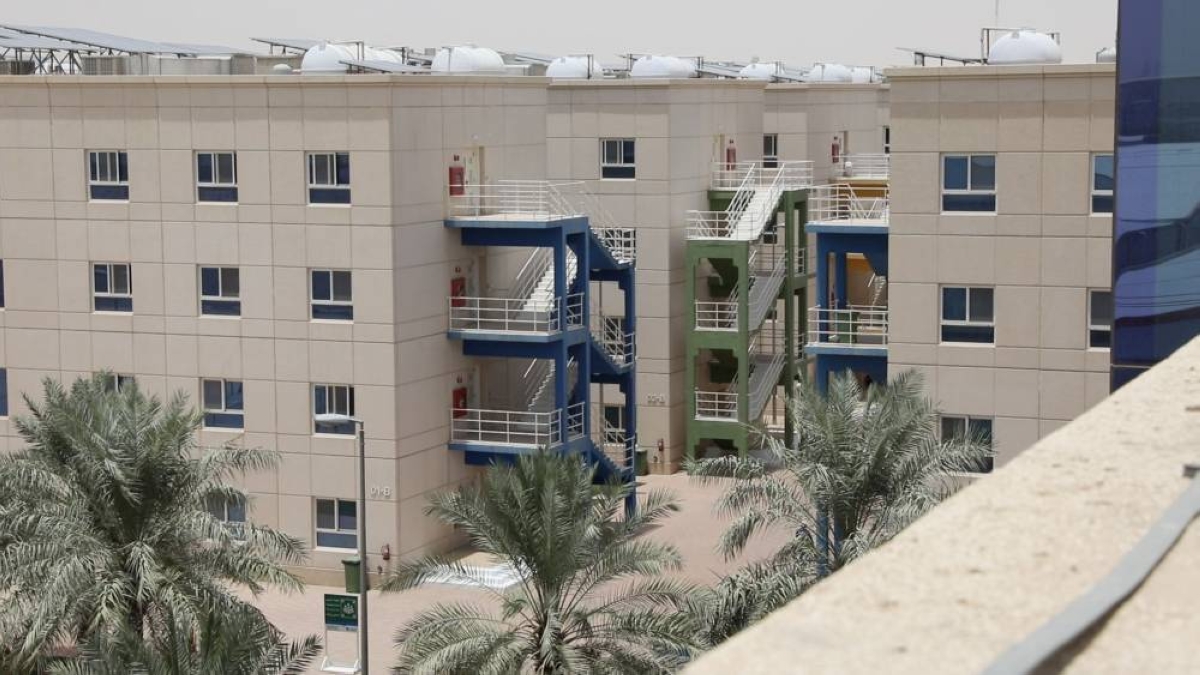
تطوير السكن الجماعي للأفراد. (وزارة الإسكان)


تابع قناة عكاظ على الواتساب
إبراهيم العلوي (جدة) i_waleeed22@
The Ministry of Municipalities and Housing has revealed the health, technical, and safety conditions required for collective housing for individuals approved by the minister, who is the head of the committee studying the housing conditions of foreign workers.
The conditions include the height of the building and its area, the urban scope and noise level, and the availability of parking spaces. The homes are divided into three categories: the first category includes residential buildings not exceeding 23 meters in height, equipped with basic and optional services. The second category consists of residential complexes made up of several independent buildings such as villas or apartment buildings, surrounded by a wall and security gates, containing integrated facilities that accommodate larger numbers of residents. The third category includes mobile cabins designated for temporary residence at project sites, restricted by an operational license that expires upon project completion or after a maximum of one year, which can be renewed, with the condition that the operator is licensed or contracted with a specialized entity to manage and operate the collective housing.
The capacities of the categories range from 500 to 10,000 individuals.
The housing must consist of one or more floors, not exceeding 23 meters in height, and be made up of a group of independent buildings surrounded by an external wall, with security gates and guards. The residential units that can be carried and transported are called “mobile cabins,” which are temporary and linked to the workforce within the projects.
The conditions for the residential building state that its capacity must not exceed 500 individuals, with a dedicated Saudi supervisor responsible for the housing and its facilities. The area per individual in the bedroom must not be less than 4 square meters, with a maximum of 10 individuals in each room. Two kitchens, a toilet, a sink, and a bathroom must be provided for every 8 individuals, along with a rest room and a laundry room, as well as air conditioning and heating, drinking water, cleaning and maintenance services, and pest control.
For capacities exceeding 10,000 individuals, there must also be a dedicated Saudi supervisor responsible for the housing and its facilities. The area per individual in the bedroom must not be less than 4 square meters, with a maximum of 10 individuals in each room. Two kitchens must be provided for each floor, a toilet, a sink, and a bathroom for every 8 individuals, a prayer room, a laundry room, air conditioning and heating, drinking water, cleaning and maintenance services, pest control, a first aid room for every 1,000 individuals, and a medical clinic for every 5,000 individuals.
For mobile cabins, the capacity must not exceed 10,000 individuals, with a dedicated Saudi supervisor responsible for the housing and its facilities. The area per individual in the bedroom must not be less than 4 square meters, with a maximum of 10 individuals in each room. A central kitchen, a toilet, a sink, and a bathroom for every 8 individuals must be provided, along with a health isolation room, a prayer room, a laundry room, air conditioning and heating, drinking water, cleaning and maintenance services, pest control, a first aid room for every 1,000 individuals, and a medical clinic for every 5,000 individuals.
The licensing requirements for collective housing for individuals include technical and legal conditions, the provision of regular maintenance and general cleaning services, the use of common facilities such as elevators and parking, and ensuring the availability of emergency services such as fire alarms and first aid equipment.
Fuel stations (gasoline and diesel) must be provided, with at least the same number as in approved service centers, in addition to electric charging stations and specialized vehicle maintenance centers. Designated areas for commercial activities and public services must include shops, restaurants, and pharmacies, as well as shaded waiting areas, an internal road network connecting the facilities, with pedestrian and bicycle paths, and parking spaces designed to accommodate both large and small vehicles. Various recreational facilities such as parks, green spaces, and playgrounds must be available, along with 24-hour security and safety services, a lighting system covering the entire site, and the provision of integrated infrastructure services including water, electricity, communication, and sewage networks, in addition to rainwater drainage systems. Easy access for emergency teams must be ensured, with designated areas prepared for individuals with disabilities, providing safe pathways and entrances, with one parking space allocated for every 100 individuals, and bus parking accommodating 50% of the residents, as well as a special parking area for individuals with disabilities near the main entrances and elevators.
A waste disposal area must be provided in buildings with more than 4 floors. Regarding the mobile cabins and their specifications, they must be equipped with electrical and lighting systems, air conditioning and ventilation options, plumbing connections, and bathrooms as needed, with the possibility of installing a generator or solar panels, while adhering to safety and transport standards and undergoing electrical and mechanical testing, leak testing, and insulation, with regular maintenance and compliance with local specifications.
The conditions include the height of the building and its area, the urban scope and noise level, and the availability of parking spaces. The homes are divided into three categories: the first category includes residential buildings not exceeding 23 meters in height, equipped with basic and optional services. The second category consists of residential complexes made up of several independent buildings such as villas or apartment buildings, surrounded by a wall and security gates, containing integrated facilities that accommodate larger numbers of residents. The third category includes mobile cabins designated for temporary residence at project sites, restricted by an operational license that expires upon project completion or after a maximum of one year, which can be renewed, with the condition that the operator is licensed or contracted with a specialized entity to manage and operate the collective housing.
The capacities of the categories range from 500 to 10,000 individuals.
The housing must consist of one or more floors, not exceeding 23 meters in height, and be made up of a group of independent buildings surrounded by an external wall, with security gates and guards. The residential units that can be carried and transported are called “mobile cabins,” which are temporary and linked to the workforce within the projects.
The conditions for the residential building state that its capacity must not exceed 500 individuals, with a dedicated Saudi supervisor responsible for the housing and its facilities. The area per individual in the bedroom must not be less than 4 square meters, with a maximum of 10 individuals in each room. Two kitchens, a toilet, a sink, and a bathroom must be provided for every 8 individuals, along with a rest room and a laundry room, as well as air conditioning and heating, drinking water, cleaning and maintenance services, and pest control.
For capacities exceeding 10,000 individuals, there must also be a dedicated Saudi supervisor responsible for the housing and its facilities. The area per individual in the bedroom must not be less than 4 square meters, with a maximum of 10 individuals in each room. Two kitchens must be provided for each floor, a toilet, a sink, and a bathroom for every 8 individuals, a prayer room, a laundry room, air conditioning and heating, drinking water, cleaning and maintenance services, pest control, a first aid room for every 1,000 individuals, and a medical clinic for every 5,000 individuals.
For mobile cabins, the capacity must not exceed 10,000 individuals, with a dedicated Saudi supervisor responsible for the housing and its facilities. The area per individual in the bedroom must not be less than 4 square meters, with a maximum of 10 individuals in each room. A central kitchen, a toilet, a sink, and a bathroom for every 8 individuals must be provided, along with a health isolation room, a prayer room, a laundry room, air conditioning and heating, drinking water, cleaning and maintenance services, pest control, a first aid room for every 1,000 individuals, and a medical clinic for every 5,000 individuals.
The licensing requirements for collective housing for individuals include technical and legal conditions, the provision of regular maintenance and general cleaning services, the use of common facilities such as elevators and parking, and ensuring the availability of emergency services such as fire alarms and first aid equipment.
Fuel stations (gasoline and diesel) must be provided, with at least the same number as in approved service centers, in addition to electric charging stations and specialized vehicle maintenance centers. Designated areas for commercial activities and public services must include shops, restaurants, and pharmacies, as well as shaded waiting areas, an internal road network connecting the facilities, with pedestrian and bicycle paths, and parking spaces designed to accommodate both large and small vehicles. Various recreational facilities such as parks, green spaces, and playgrounds must be available, along with 24-hour security and safety services, a lighting system covering the entire site, and the provision of integrated infrastructure services including water, electricity, communication, and sewage networks, in addition to rainwater drainage systems. Easy access for emergency teams must be ensured, with designated areas prepared for individuals with disabilities, providing safe pathways and entrances, with one parking space allocated for every 100 individuals, and bus parking accommodating 50% of the residents, as well as a special parking area for individuals with disabilities near the main entrances and elevators.
A waste disposal area must be provided in buildings with more than 4 floors. Regarding the mobile cabins and their specifications, they must be equipped with electrical and lighting systems, air conditioning and ventilation options, plumbing connections, and bathrooms as needed, with the possibility of installing a generator or solar panels, while adhering to safety and transport standards and undergoing electrical and mechanical testing, leak testing, and insulation, with regular maintenance and compliance with local specifications.


