


فيما يجري الحديث عن قرب التوصل إلى هدنة مؤقتة، يسابق الاحتلال الإسرائيلي الزمن لاستكمال العملية التي أطلق عليها «عربات جدعون» بهدف إفراغ شمال قطاع غزة من الفلسطينيين وتوسيع المنطقة العازلة، ضمن حرب الإبادة التي يشنها.
ونقلت وكالة «الأناضول» عن مصدر مقرب من الفصائل الفلسطينية، قوله: إن إسرائيل تحاول استغلال الأيام القليلة المتبقية قبل أي تهدئة مرتقبة، لتوسيع رقعة التدمير وإبادة المدن، خصوصاً شمال وشرق محافظة الشمال، وشرق مدينة غزة، وشرق خان يونس جنوبي القطاع.
وحذّر المصدر من أن إسرائيل تسعى لتدمير ما تبقى من مقومات الحياة في تلك المناطق، لاستنفاد أي فرصة لعودة الفلسطينيين إليها كما فعلت في مخيم جباليا الذي دمرته بشكل شبه كامل خلال النصف الثاني من عام 2024.
وأسفرت عملية «عربات جدعون» التي بدأها جيش الاحتلال منتصف مايو الماضي إلى إحداث تغيير جذري في التوزيع الديموغرافي للقطاع، وحصرت الكثافة السكانية في 3 مناطق ساحلية ضيقة هي: غرب مدينة غزة، غرب المحافظة الوسطى، وغرب مدينة خان يونس. وباتت هذه المناطق الثلاث مفصولة بشكل كبير عن بعضها البعض، ويواجه الفلسطينيون أثناء تنقلهم بينها استهدافات إسرائيلية بالقصف أو إطلاق نار.
ووفق التقرير، فإن غرب مدينة غزة أصبح مطوقاً بالكامل، إذ يحده من الشمال محافظة الشمال التي أحالتها إسرائيل إلى مدينة أشباح بعدما دمرتها وهجّرت سكانها، ومن الشرق أحياء الشجاعية والزيتون والتفاح والدرج والبلدة القديمة التي يكثف الجيش الإسرائيلي عملياته فيها حالياً.
فيما يفصل مدينة غزة وغربها عن المناطق الجنوبية للقطاع، محور نتساريم (وسط) الذي يسيطر عليه جيش الاحتلال من الناحية الشرقية، وغرباً بنيران آلياته ومسيراته.
ويفصل غرب المحافظة الوسطى عن مدينة خان يونس، التي تعتبر بداية محافظة الجنوب، ما أطلق عليه الاحتلال اسم محور «كيسوفيم» الذي يخترق مئات الأمتار من شرق المحافظة. ويسيطر الجيش الإسرائيلي على المناطق الشرقية من خان يونس، ويحاول تعزيز وجوده وسط المدينة بالتعمق غرباً بالقرب من «المواصي» المكتظة بالنازحين.
وفيما يتعلق بغرب مدينة خان يونس فيفصله عن مدينة رفح (جنوب القطاع) محور «موراغ» الذي يسيطر عليه جيش الاحتلال ويطلق نيرانه صوب أي حركة في محيطه.
وتخلو مدينة رفح بشكل شبه كامل من الفلسطينيين بعدما أفرغها الجيش الإسرائيلي من سكانها تحت تهديد النيران والقصف والمجازر.
أما المناطق الممتدة على طول الساحل الفلسطيني من جنوب مدينة خان يونس وحتى شمال دير البلح فتعرف بـ«المواصي» وهي مناطق قاحلة تخلو من أي مقومات للحياة الحضرية والبنى التحتية. ويزعم الاحتلال أنها «منطقة إنسانية آمنة» لكنها لم تسلم من الغارات الإسرائيلية التي تقتل المدنيين وتحصد أرواحهم.
وقدر المركز الفلسطيني لحقوق الإنسان مساحة المناطق التي يتكدس فيها النازحون حالياً بنسبة 15% من إجمالي مساحة قطاع غزة.
ورجّحت هيئة البث الإسرائيلية، أن تستمر «عربات جدعون» أشهراً عدة؛ بهدف الإخلاء الشامل لسكان غزة بالكامل من مناطق القتال، بما في ذلك شمال غزة، إلى مناطق في جنوب القطاع، مؤكدة أن الجيش سيبقى في أي منطقة يحتلها.
بالتزامن مع الهدنة المؤقتة..
إسرائيل تسابق الزمن لإفراغ شمال غزة
6 يوليو 2025 - 14:43
|
آخر تحديث 6 يوليو 2025 - 14:43
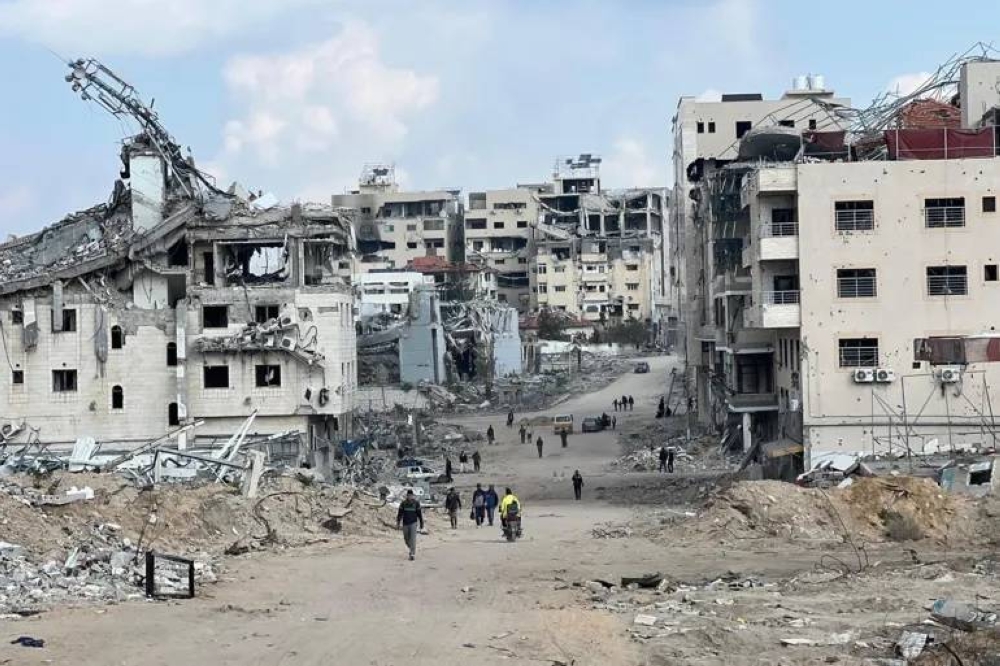
أسفرت عملية «عربات جدعون» التي بدأها جيش الاحتلال منتصف مايو إلى إحداث تغيير جذري في التوزيع الديموغرافي لقطاع غزة.


تابع قناة عكاظ على الواتساب
«عكاظ» (غزة، جدة) okaz_online@
As talks of a temporary truce are underway, the Israeli occupation is racing against time to complete the operation it has dubbed "Gideon's Chariots," aimed at emptying northern Gaza of Palestinians and expanding the buffer zone, as part of the genocide it is waging.
According to the Anadolu Agency, a source close to Palestinian factions stated that Israel is trying to exploit the few remaining days before any anticipated ceasefire to expand the area of destruction and annihilate cities, particularly in the north and east of the northern governorate, east of Gaza City, and east of Khan Younis in the southern Gaza Strip.
The source warned that Israel seeks to destroy what remains of the means of life in those areas, exhausting any chance for Palestinians to return, as it did in the Jabalia camp, which it nearly completely destroyed during the second half of 2024.
The "Gideon's Chariots" operation, initiated by the occupation army in mid-May, has resulted in a radical change in the demographic distribution of the sector, confining the population density to three narrow coastal areas: west of Gaza City, west of the central governorate, and west of Khan Younis. These three areas have become significantly separated from each other, and Palestinians face Israeli targeting through shelling or gunfire while moving between them.
According to the report, the area west of Gaza City has become completely surrounded, bordered to the north by the northern governorate, which Israel has turned into a ghost town after destroying it and displacing its residents, and to the east by the neighborhoods of Shuja'iyya, Zeitoun, Tuffah, Daraj, and the Old City, where the Israeli army is currently intensifying its operations.
Separating Gaza City and its west from the southern areas of the sector is the Netzarim axis (central), which is controlled by the occupation army from the eastern side, and to the west by the fire of its vehicles and drones.
The area west of the central governorate is separated from Khan Younis, which is considered the beginning of the southern governorate, by what the occupation has named the "Kissufim" axis, which penetrates hundreds of meters from the east of the governorate. The Israeli army controls the eastern areas of Khan Younis and is trying to reinforce its presence in the city center by advancing westward near the "Mawasi," which is crowded with displaced people.
As for the area west of Khan Younis, it is separated from the city of Rafah (in the southern sector) by the "Morag" axis, which is controlled by the occupation army and fires upon any movement in its vicinity.
The city of Rafah is almost completely devoid of Palestinians after the Israeli army emptied it of its residents under the threat of fire, shelling, and massacres.
The areas extending along the Palestinian coast from the south of Khan Younis to the north of Deir al-Balah are known as the "Mawasi," which are barren areas lacking any urban life or infrastructure. The occupation claims they are a "safe humanitarian area," but they have not been spared from Israeli airstrikes that kill civilians and take their lives.
The Palestinian Center for Human Rights estimated that the areas currently crowded with displaced people account for 15% of the total area of the Gaza Strip.
The Israeli Broadcasting Authority estimated that "Gideon's Chariots" will continue for several months, aiming for the complete evacuation of Gaza's residents from combat areas, including northern Gaza, to areas in the southern sector, confirming that the army will remain in any area it occupies.
According to the Anadolu Agency, a source close to Palestinian factions stated that Israel is trying to exploit the few remaining days before any anticipated ceasefire to expand the area of destruction and annihilate cities, particularly in the north and east of the northern governorate, east of Gaza City, and east of Khan Younis in the southern Gaza Strip.
The source warned that Israel seeks to destroy what remains of the means of life in those areas, exhausting any chance for Palestinians to return, as it did in the Jabalia camp, which it nearly completely destroyed during the second half of 2024.
The "Gideon's Chariots" operation, initiated by the occupation army in mid-May, has resulted in a radical change in the demographic distribution of the sector, confining the population density to three narrow coastal areas: west of Gaza City, west of the central governorate, and west of Khan Younis. These three areas have become significantly separated from each other, and Palestinians face Israeli targeting through shelling or gunfire while moving between them.
According to the report, the area west of Gaza City has become completely surrounded, bordered to the north by the northern governorate, which Israel has turned into a ghost town after destroying it and displacing its residents, and to the east by the neighborhoods of Shuja'iyya, Zeitoun, Tuffah, Daraj, and the Old City, where the Israeli army is currently intensifying its operations.
Separating Gaza City and its west from the southern areas of the sector is the Netzarim axis (central), which is controlled by the occupation army from the eastern side, and to the west by the fire of its vehicles and drones.
The area west of the central governorate is separated from Khan Younis, which is considered the beginning of the southern governorate, by what the occupation has named the "Kissufim" axis, which penetrates hundreds of meters from the east of the governorate. The Israeli army controls the eastern areas of Khan Younis and is trying to reinforce its presence in the city center by advancing westward near the "Mawasi," which is crowded with displaced people.
As for the area west of Khan Younis, it is separated from the city of Rafah (in the southern sector) by the "Morag" axis, which is controlled by the occupation army and fires upon any movement in its vicinity.
The city of Rafah is almost completely devoid of Palestinians after the Israeli army emptied it of its residents under the threat of fire, shelling, and massacres.
The areas extending along the Palestinian coast from the south of Khan Younis to the north of Deir al-Balah are known as the "Mawasi," which are barren areas lacking any urban life or infrastructure. The occupation claims they are a "safe humanitarian area," but they have not been spared from Israeli airstrikes that kill civilians and take their lives.
The Palestinian Center for Human Rights estimated that the areas currently crowded with displaced people account for 15% of the total area of the Gaza Strip.
The Israeli Broadcasting Authority estimated that "Gideon's Chariots" will continue for several months, aiming for the complete evacuation of Gaza's residents from combat areas, including northern Gaza, to areas in the southern sector, confirming that the army will remain in any area it occupies.


