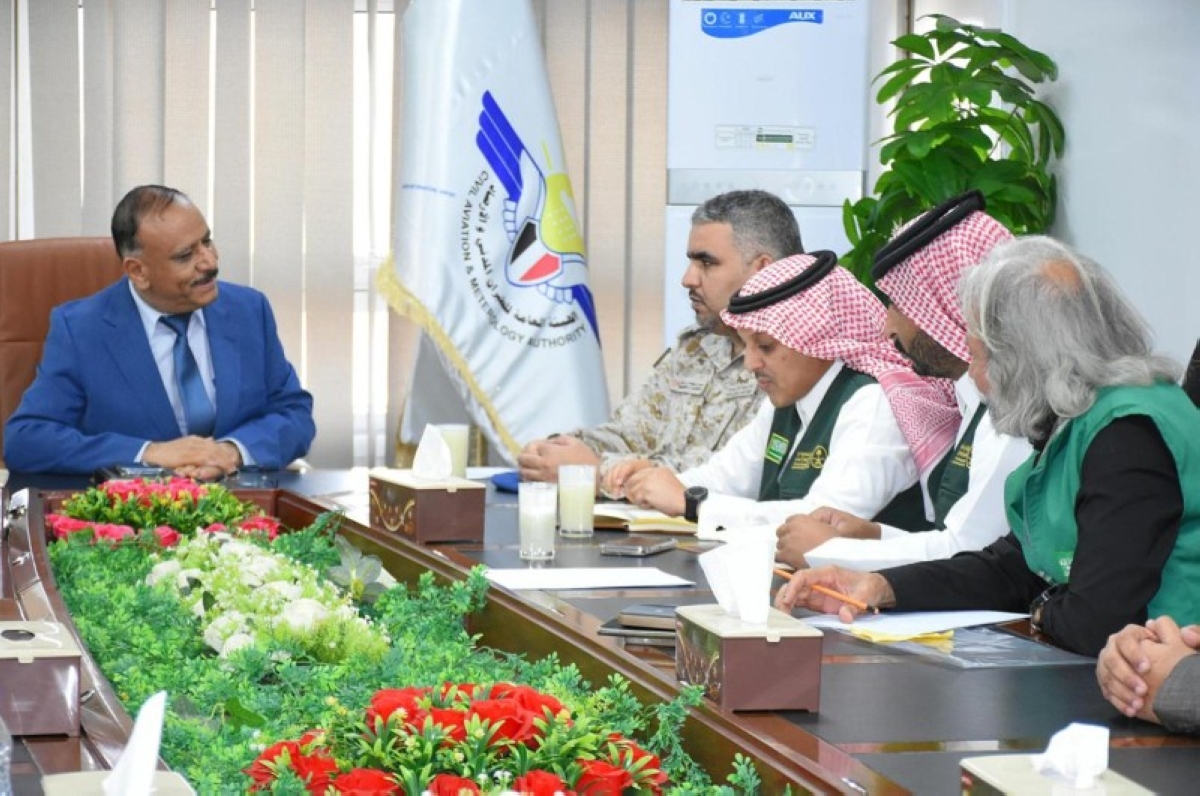
أكد وزير النقل اليمني الدكتور عبدالسلام حُميد، أن الدعم السعودي لليمن يُعد الأبرز عربيا متنوعاً بين السياسي والأمني والعسكري والاقتصادي والإنساني والتنموي. وقال في حواره لـ«عكاظ»، إن السعودية بقيادة خادم الحرمين الشريفين الملك سلمان بن عبدالعزيز، وولي العهد الأمير محمد بن سلمان وقفت إلى جانب الشعب اليمني في مواجهة الأزمة الإنسانية والاقتصادية من خلال دعم مالي مباشر للبنك المركزي للحد من تدهور العملة المحلية وتغطية وعجز الموازنة العامة، ومنها ما هو على شكل منح مشتقات نفطية لدعم استقرار الكهرباء في المناطق المحررة. مشيداً بجهود البرنامج السعودي لتنمية وإعمار اليمن في مجموعة من المشاريع التطويرية المهمة التي استهدفت رفع كفاءة الموانئ وطاقتها الاستيعابية من خلال رفدها بالمعدات والوسائل والرافعات والأجهزة الملاحية، وإعادة تأهيل جميع المطارات وعشرات المشاريع في مجال النقل. وتطرق وزير النقل اليمني إلى مواضيع مهمة من خلال الحوار التالي:
** حدثنا عن التعاون بين السعودية واليمن في مجالات النقل؟
* دعم الأشقاء في السعودية يعد من أبرز وأهم الدعم العربي ويتنوع بين سياسي، وأمني وعسكري، واقتصادي، وإنساني، وتنموي، فمنذ انقلاب الحوثيين على الشرعية الدستورية في اليمن في سبتمبر عام 2014م قدمت السعودية بقيادة خادم الحرمين وولي العهد دعماً شاملاً لليمن على مختلف المستويات السياسية والعسكرية والاقتصادية والإنسانية، بهدف استعادة الدولة وإنهاء الانقلاب، و دعم الشعب اليمني في مواجهة الأزمة الإنسانية والاقتصادية، منها ما هو دعم مالي مباشر لدعم البنك المركزي للحد من تدهور العملة المحلية وتغطية وعجز الموازنة العامة، ومنها ما هو على شكل منح مشتقات نفطية لدعم استقرار الكهرباء في المناطق المحررة، وهناك دعم إغاثي وإنساني، ودعم مشاريع تنموية في مختلف القطاعات وخاصة قطاعات الطاقة والصحة والتعليم والنقل والزراعة، وإعادة بناء مؤسسات الدولة، ورفع القدرات من خلال التدريب والتأهيل من خلال مجموعة من المبادرات والبرامج التي نفذت من قبل مركز الملك سلمان للإغاثة وصندوق التنمية السعودي والبرنامج السعودي لتنمية وإعمار اليمن. وفي ما يخص دعم قطاع النقل في اليمن نفذ البرنامج السعودي لتنمية وإعمار اليمن مجموعة من المشاريع التطويرية المهمة استهدفت رفع كفاءة الموانئ وطاقتها الاستيعابية من خلال رفدها بالمعدات والوسائل والرافعات والأجهزة الملاحية وخاصة ميناء عدن والمكلا في حضرموت ونشطون في المهرة وميناء سقطرى، إلى جانب إعادة تأهيل المطارات في كل من مطار عدن الدولي ومطار الغيضة في محافظة المهرة، وتطوير ودعم أنظمة السلامة في مطار سقطرى، وجميع هذه المطارات تعمل حالياً على تسيير رحلات جوية داخلية وخارجية بصورة جيدة.
تدفق السلع
** ما انعكاسات تلك المشاريع على الأوضاع وما يقدم للمواطنين من خدمات؟
* بالتأكيد هذا الدعم في إعادة تأهيل وتطوير تلك المنشآت الحيوية خصوصاً الموانئ البحرية والموانئ البرية والمطارات كان له تأثير كبير على حياة المجتمع من خلال ما تقدمه تلك المنشآت من خدمات حيوية لتأمين تدفق السلع التجارية والإمدادات الغذائية وإمدادات الإغاثة الإنسانية من الخارج، إلى جانب تسهيل خدمات النقل الجوي للمسافرين على مستوى المحافظات المحررة أو على مستوى السفر إلى الخارج والعودة بكل سهولة ويسر.
230 مشروعاً ومبادرة
** ماذا عن الدعم الذي يقدمه البرنامج السعودي لتنمية وإعمار اليمن؟
* البرنامج السعودي لتنمية وإعمار اليمن منذ إنشائه عام 2018م يهدف إلى تقديم الدعم الاقتصادي والتنموي في جميع المجالات في الجمهورية اليمنية من خلال تنفيذ مشاريع البنية التحية وتحسين مستوى الخدمات الأساسية للشعب اليمني وتوفير فرص العمل بالتنسيق مع الحكومة والسلطات المحلية. وبحسب المعلومات الرسمية الصادرة عن البرنامج فقد نفذ البرنامج نحو( 230) مشروعاً ومبادرة في (8) قطاعات أساسية (الصحة، التعليم، والبنى التحتية، والطاقة والنقل، والزراعة، والمياه، وبناء القدرات).
وفي ما يخص دعم البرنامج السعودي لتنمية وإعمار اليمن لقطاع النقل في اليمن نفذ البرنامج منذ تأسيسه إعادة تأهيل مطار عدن الدولي ومطار الغيضة الدولي، ودعم وتطوير وسائل السلامة في مطار سقطرى، إلى جانب إعادة تأهيل الموانئ البرية في شحن محافظة المهرة والوديعة في محافظة حضرموت، إلى جانب تزويد ميناءي عدن والمكلا بالمعدات والوسائل لرفع قدراتهما التشغيلية، وإعادة تأهيل ميناء منشطون في محافظة المهرة وتزويده بأجهزة الملاحة.
- وزير النقل يعقد اجتماعاً مع البرنامج السعودي لمناقشة وتقييم ما تبقى من مراحل إعادة تأهيل مطار عدن الدولي.
مطار عدن
** ماذا عن مطار عدن الدولي الذي يعتبر اليوم الشريان الرئيس، ودور البرنامج السعودي في إعادة تأهيله؟
* مطار عدن الدولي تعرض لأضرار واسعة من جراء قصف الحوثيين عام 2015م أدى إلى توقفه تماماً شأنه شأن المنشآت الأخرى والموانئ والطرق التي تأثرت بدرجة كبيرة من جراء تلك الحرب.
وفي السنوات اللاحقة لتحرير عدن عمل الأشقاء في دولة الإمارات العربية المتحدة على إعادة تأهيله وتشغيله لنقل الجرحى والمرضى، ولاحقاً فتح رحلات تجارية ومنذ بداية عام 2020م دشن البرنامج السعودي لتنمية وإعمار اليمن المرحلة الأولى وبعدها المرحلة الثانية في صيانة صالات المغادرة والوصول وهناجر الشحن وتوفير مولدات كهربائية، إلى جانب إعادة وتأهيل مدرج التدحرج للطائرات وجميع هذه الأعمال تم إنجازها.
ولاحقاً منذ عام 2022م أعلن البرنامج إضافة مشروعين آخرين هما صيانة وتأهيل مدرج الهبوط والإقلاع وكذا توفير وسائل الملاحة الجوية والاتصالات، وخلال الأيام القادمة سيبدأ العمل على إنجازها من قبل البرنامج وباستكمال تأهيل المدرج الرئيس، ووسائل الملاحة والاتصالات يكون مطار عدن الدولي على درجة عالية من الجاهزية والتشغيل وفقاً للمعايير الدولية ومنظمة الطيران المدني الدولية (الأيكاو).
** ماذا عن المطارات الأخرى ومتى تعمل بكامل طاقتها للتخفيف على المواطن اليمني؟
* توجد 7 مطارات في المناطق المحررة هي عدن الدولي وسيئون الدولي والريان الدولي وعتق الدولي والغيضة الدولي وسقطرى الدولي، والمخاء الدولي، وبعض المطارات تم إعادة تأهيليها من قبل البرنامج السعودي لتنمية وإعمار اليمن، وهي مطار عدن الدولي ومطار الغيضة الدولي ومطار الريان في المكلا تم إعادة تأهيله من قبل الأشقاء في الإمارات العربية المتحدة، حالياً جميع المطارات السبعة في المناطق المحررة جاهزة وتسير رحلات جوية داخلية وخارجية عدا مطار المخاء الدولي رغم جاهزيته الفنية، وخلال الفترة القادمة سيتم وضعه في برامج الرحلات الجوية، وتبذل وزارة النقل جهوداً كبيرة وحثيثة من خلال الإشراف المباشر والتوجيه للهيئة العامة للطيران وتأمين كافة الاحتياجات والمتطلبات من الأجهزة والوسائل والحرص على نجاح التشغيل في تلك المطارات.
وزير النقل اليمني الدكتور عبدالسلام حُميد.
مخاطر عالية
** ماذا خلّفت الحرب.. وكيف يمكن تجاوز آثارها؟
* الحرب التي شنها الحوثيون كان لها آثار مدمرة على الاقتصاد اليمني وعلى الشعب نتيجة لتدمير المنشآت والموانئ والمطارات والطرق، كما عطلت النشاط الاستثماري وخروج رأس مال الوطني إلى خارج البلد وأوقفت تصدير النفط الخام والغاز، وقلصت فرص العمل وأسهمت في اتساع رقعة الفقر، حيث يعيش نحو (80%) من الشعب تحت خط الفقر، وانعكست سلباً على قدرات الحكومة على تلبية احتياجات المجتمع اليمني من المتطلبات الحياتية والخدمية، ومن نتائج تلك الحرب جعل الموانئ والمطارات ذات مخاطر عالية نتج عنها رفع رسوم التأمين بصورة كبيرة من قبل شركات التأمين الدولية مما انعكس سلباً على مستوى أسعار السلع والخدمات.
تدمير الطائرات
** يظل الحديث عن الطائرات خاصة بعد تدمير 4 طائرات في مطار صنعاء، حدثنا عن الأسطول الحالي وكيف يمكن إعادة تطويره؟
بعد الحرب لم يتبق للناقل الوطني (شركة الخطوط الجوية اليمنية) سوى طائرتين، وعلى مدار السنوات الماضية تمكنت الشركة بدعم واهتمام وزارة النقل من شراء 5 طائرات، و وصل أسطول الشركة إلى 7 طائرات، ونتيجة للهدنة الإنسانية عام 2022م من قبل المجتمع الدولي تم فتح مطار صنعاء وتسيير رحلات إنسانية من مطار صنعاء إلى الأردن، ولاحقاً تم التوجيه من المستوى السياسي الأعلى بالتنسيق مع المبعوث الدولي والأشقاء في التحالف بنقل الحجاج من مطار صنعاء إلى جدة، وعلى إثر ذلك أقدم الحوثيون على خطف واحتجاز 4 طائرات في مطار صنعاء، وقبلها أقدمت على الاستيلاء على أرصدة الشركة التي وصلت إلى نحو (130) مليون دولار في بنوك صنعاء، ومع تطور الأحداث بين الحوثيين والجيش الإسرائيلي تم تدمير الطائرات الـ 4، رغم محاولة قيادة الشركة في عدن إقناع الحوثيين بإخراج الطائرات إلى مطار عدن أو الأردن أو أي مطار آر للحفاظ عليها إلا أن الحوثيين رفضوا الاستجابة لمحاولات قيادة الشركة بعدن.
وحالياً لدى الشركة في عدن 4 طائرات تعمل على نقل جميع المسافرين في اليمن في المناطق المحررة والمناطق الواقعة تحت سيطرة الحوثيين إلى جميع الجهات الخارجية (السعودية، الإمارات، الكويت، مصر، الأردن، الهند، وجيبوتي)، إلى جانب تسيير رحلات داخلية بين المحافظات المحررة، وحالياً تدرس شركة الخطوط الجوية اليمنية شراء طائرات جديدة وكذا شراء طائرات صغيرة لتغطية النقل الداخلي بين مطارات المحافظات المحررة، وفي إطار وتوجهات الحكومة ووزارة النقل في تشجيع الاستثمار للقطاع الخاص والأجنبي في قطاع الطيران تم منح رخص لـ 3 شركات طيران تابعة للقطاع الخاص هي حالياً قيد استكمال الإجراءات، وتم تدشين أول رحلة لإحدى شركات الطيران الخاصة وخلال الأشهر القادمة ستدشن الشركات الخاصة الأخرى رحلاتها الجوية.
رئيس مجلس القيادة الرئاسي ووزير النقل والسفير السعودي لدى اليمن يضعون حجر الأساس للمرحلة الثالثة لإعادة تأهيل مطار عدن الدولي.
** ما هي أبرز مشاريعكم المستقبلية؟
* النهوض بقطاع النقل وجعله أكثر تأثيراً ومساهمة في التنمية والنشاط الاقتصادي يتطلب اعتماد إستراتيجية وطنية، وحالياً نسعى مع الشركاء الإقليميين والدوليين لوضع إستراتيجية وطنية لقطاع النقل في اليمن تتضمن رؤية وأهدافاً خلال 10-20 عاماً لبناء نظام نقل وطني متكامل وآمن ومستدام يربط اليمن داخلياً وخارجياً، ويدعم التنمية الشاملة والمستدامة، والغاية من ذلك تعزيز كفاءات واستدامة قطاع النقل من خلال تطوير البنى التحتية وتحسين التشريعاتةوبناء القدرات، واعتماد التحول الرقمي واستخدام الطاقة المتجددة، وتفعيل الشراكة مع القطاع الخاص، ففي مجال قطاع الموانئ والشؤون البحرية هناك حالياً مجموعة من الخطط والبرامج تعمل عليها الوزارة والمؤسسات والهيئات التابعة لها، وفي قطاع الشؤون البحرية والموانئ نظراً للاستثمارات الكبيرة التي يتطلبها تحديث وتطوير قطاع الموانئ ونظراً لعدم توفر الموارد المالية اللازمة فإن الحكومة والوزارة تسعيان إلى إنجاز تلك المشاريع التطويرية عن طريق الشراكة الاستثمارية مع أطراف محلية وإقليمية ودولية، إما عن طريق الشراكة الاستثمارية أو عن طريق اتفاقيات البناء والتشغيل والتسليم بنظام (P.O.T)، وذلك لتحديث وتطوير الموانئ (ميناء عدن، موانئ المكلا وبروم في حضرموت، وميناء قشن في شبوة، وميناء نشطون في محافظة المهرة، وميناء المخاء في محافظة تعز) إلى جانب استكمال الإجراءات والبدء بإنجاز ميناء سقطرى الممول بقرض من الصندوق الإنمائي الكويتي لتعزيز النشاط التجاري والتنموي في أرخبيل سقطرى، وتطوير وتعزيز نشاط الهيئة العامة للشؤون البحرية من خلال شراء قوارب حديثة لمكافحة التلوث البحري، وإنشاء مركز للاستغاثة ومختبر لتحليل مستوى التلوث البحري، واستكمال التشريعات البحرية بالتنسيق مع وزارة الشؤون القانونية، وتحديث وتطوير قوانين الاستثمار في النشاط البحري، والسعي مع الجهات ذات العلاقة لتطبيق نظام النافذة الملاحية الواحدة في الموانئ لتسهيل حركة الملاحة البحرية وفقاً لاتفاقية (FAL) الصادرة عن المنظمة البحرية الدولية، وتأهيل الكادر البحري من خلال استكمال تجهيز البنى التحتية لمركز التدريب البحري، وتوفير المعدات والمناهج اللازمة لإقامة الدورات الحتمية. وهناك جهود جارية تبذلها الوزارة ومؤسسة موانئ خليج عدن مع الأكاديمية العربية للعلوم والتكنولوجيا والنقل البحري لإنشاء فرع للأكاديمية في عدن لتأهيل الكوادر في مجال الملاحة البحرية ولوجستيات النقل البحري. وفي مجال النقل الجوي.
رئيس مجلس القيادة الرئاسي ووزير النقل والسفير السعودي لدى اليمن في حفل وضع حجر الأساس للمرحلة الثالثة لإعادة تأهيل مطار عدن الدولي.
هناك جهود تقودها الوزارة والهيئة العامة للطيران المدني والأرصاد بهدف تعزيز وتطوير القطاع من خلال مجموعة من المشاريع أبرزها استكمال تأهيل وتجهيز مطار عدن الدولي من خلال إنجاز تأهيل وصيانة المدرج الرئيسي للهبوط والإقلاع عبر البرنامج السعودي لتنمية وإعمار اليمن، وإنشاء مبنى حديث للهيئة العامة للطيران المدني والأرصاد في مطار عدن الدولي، وإنشاء مبنى حديث لمعهد الطيران للتدريب والتأهيل لموظفي قطاع النقل الجوي، واستكمال الترتيبات والإجراءات لإنشاء مطار عدن الدولي المستقبلي في منطقة رأس عمران بمديرية البريقة عن طريق الاستثمار بنظام ( P.O.T)، وإنشاء هنجر الصيانة الإقليمي في مطار عدن الدولي لصيانة جميع أنواع الطائرات وبتمويل من قبل شركة الخطوط الجوية اليمنية، وتعزيز أسطول الناقل الوطني (الخطوط الجوية اليمنية) بالطائرات لمواكبة زيادة حركة النقل الجوي، وتطوير الشراكة مع القطاع الخاص والأجنبي في مجال قطاع الطيران، وتكثيف برامج التدريب لتطوير قدرات العاملين في مجال النقل الجوي في الداخل وعبر أكاديميات الطيران العربية والأجنبية. وفي مجال قطاع النقل البري هناك مجموعة من المشاريع تهدف إلى تحديث وتطوير البنى التحتية للموانئ البرية في محافظة حضرموت (ميناء الوديعة)، ومحافظة المهرة (ميناء شحن)، وتوفير الوسائل والمعدات لرفع كفاءة أدائها والتي تربط اليمن مع الدول العربية الشقيقة (السعودية وعُمان)، وإنشاء محطات مركزية للنقل البري في العاصمة عدن ومستقبلاً في عواصم المحافظات الأخرى مجهزة بكافة الخدمات لإيواء وانطلاق حافلات شركات النقل البري الدولية والمحلية، ووضع السياسات الهادفة إلى تشجيع وتحفيز القطاع الخاص والأجنبي لإنشاء شركات نقل حديثة ومتطورة.
في الختام.. لا يسعنا إلا أن نتقدم بجزيل الشكر والامتنان للأشقاء في السعودية ودولة الإمارات العربية المتحدة وكذا دولة الكويت على كل ما قدموه من دعم اقتصادي وإغاثي وتنموي أسهم إلى درجة كبيرة في تخفيف المعاناة الإنسانية والحفاظ على الحد الأدنى من الاستقرار الاقتصادي والمعيشي في المحافظات المحررة.
Yemeni Minister of Transport Dr. Abdul Salam Humeid confirmed that Saudi support for Yemen is the most prominent in the Arab world, varying between political, security, military, economic, humanitarian, and developmental aspects. In his interview with "Okaz," he stated that Saudi Arabia, under the leadership of the Custodian of the Two Holy Mosques King Salman bin Abdulaziz and Crown Prince Mohammed bin Salman, has stood by the Yemeni people in facing the humanitarian and economic crisis through direct financial support to the Central Bank to limit the deterioration of the local currency and cover the general budget deficit, including grants of oil derivatives to support electricity stability in the liberated areas. He praised the efforts of the Saudi Program for the Development and Reconstruction of Yemen in a range of important developmental projects aimed at enhancing the efficiency and capacity of ports by providing them with equipment, means, cranes, and navigational devices, and rehabilitating all airports along with dozens of projects in the transport sector. The Yemeni Minister of Transport addressed important topics in the following dialogue:
** Tell us about the cooperation between Saudi Arabia and Yemen in the fields of transport?
* The support from our brothers in Saudi Arabia is among the most prominent and important Arab support, varying between political, security, military, economic, humanitarian, and developmental. Since the Houthi coup against the constitutional legitimacy in Yemen in September 2014, Saudi Arabia, led by the Custodian of the Two Holy Mosques and the Crown Prince, has provided comprehensive support to Yemen at various political, military, economic, and humanitarian levels, aiming to restore the state and end the coup, and to support the Yemeni people in facing the humanitarian and economic crisis. This includes direct financial support to the Central Bank to limit the deterioration of the local currency and cover the general budget deficit, as well as grants of oil derivatives to support electricity stability in the liberated areas. There is also humanitarian and relief support, and support for developmental projects in various sectors, especially in energy, health, education, transport, and agriculture, rebuilding state institutions, and enhancing capacities through training and rehabilitation via a range of initiatives and programs implemented by the King Salman Relief Center, the Saudi Development Fund, and the Saudi Program for the Development and Reconstruction of Yemen. Regarding support for the transport sector in Yemen, the Saudi Program for the Development and Reconstruction of Yemen has implemented a number of important developmental projects aimed at enhancing the efficiency and capacity of ports by providing them with equipment, means, cranes, and navigational devices, especially Aden and Mukalla ports in Hadhramaut, and Al-Mahra and Socotra ports, along with rehabilitating airports in Aden International Airport and Al-Ghaydah Airport in Al-Mahra, and developing and supporting safety systems at Socotra Airport. All of these airports are currently operating internal and external flights effectively.
Flow of Goods
** What are the implications of these projects on the conditions and services provided to citizens?
* Certainly, this support in rehabilitating and developing these vital facilities, especially maritime ports, land ports, and airports, has had a significant impact on community life through the services these facilities provide to secure the flow of commercial goods, food supplies, and humanitarian relief supplies from abroad, in addition to facilitating air transport services for travelers at the level of liberated provinces or for travel abroad and returning with ease and comfort.
230 Projects and Initiatives
** What about the support provided by the Saudi Program for the Development and Reconstruction of Yemen?
* Since its establishment in 2018, the Saudi Program for the Development and Reconstruction of Yemen aims to provide economic and developmental support in all fields in the Republic of Yemen by implementing infrastructure projects, improving the level of basic services for the Yemeni people, and providing job opportunities in coordination with the government and local authorities. According to official information issued by the program, it has implemented about (230) projects and initiatives in (8) essential sectors (health, education, infrastructure, energy and transport, agriculture, water, and capacity building).
Regarding the support of the Saudi Program for the Development and Reconstruction of Yemen for the transport sector in Yemen, the program has implemented since its establishment the rehabilitation of Aden International Airport and Al-Ghaydah International Airport, supported and developed safety measures at Socotra Airport, along with rehabilitating land ports in Shahn in Al-Mahra and Al-Wadiah in Hadhramaut, in addition to supplying Aden and Mukalla ports with equipment and means to enhance their operational capacities, and rehabilitating the Al-Manshatoon port in Al-Mahra and equipping it with navigational devices.
- وزير النقل يعقد اجتماعاً مع البرنامج السعودي لمناقشة وتقييم ما تبقى من مراحل إعادة تأهيل مطار عدن الدولي.
Aden Airport
** What about Aden International Airport, which is considered today the main artery, and the role of the Saudi program in its rehabilitation?
* Aden International Airport suffered extensive damage due to the Houthi shelling in 2015, which led to its complete shutdown, similar to other facilities, ports, and roads that were significantly affected by that war.
In the subsequent years after the liberation of Aden, the brothers in the United Arab Emirates worked on rehabilitating and operating it to transport the wounded and sick, and later commercial flights were opened. Since the beginning of 2020, the Saudi Program for the Development and Reconstruction of Yemen launched the first phase, followed by the second phase in maintaining departure and arrival halls and cargo hangars and providing electrical generators, in addition to rehabilitating the aircraft taxiway, and all these works have been completed.
Later, since 2022, the program announced the addition of two more projects, which are the maintenance and rehabilitation of the landing and take-off runway, as well as providing air navigation and communication means. In the coming days, work will begin on completing them, and with the completion of the rehabilitation of the main runway and the air navigation and communication means, Aden International Airport will be at a high level of readiness and operation according to international standards and the standards of the International Civil Aviation Organization (ICAO).
** What about the other airports and when will they operate at full capacity to ease the burden on the Yemeni citizen?
* There are 7 airports in the liberated areas: Aden International, Sayun International, Al-Riyan International, Ataq International, Al-Ghaydah International, Socotra International, and Al-Mokha International. Some airports have been rehabilitated by the Saudi Program for the Development and Reconstruction of Yemen, namely Aden International Airport and Al-Ghaydah International Airport, while Al-Riyan Airport in Mukalla was rehabilitated by the brothers in the United Arab Emirates. Currently, all seven airports in the liberated areas are ready and operating internal and external flights, except for Al-Mokha International Airport, despite its technical readiness. In the coming period, it will be included in the flight schedules, and the Ministry of Transport is making significant and diligent efforts through direct supervision and guidance to the General Authority for Civil Aviation to secure all needs and requirements of devices and means and ensure the success of operations at those airports.
وزير النقل اليمني الدكتور عبدالسلام حُميد.
High Risks
** What has the war left behind, and how can its effects be overcome?
* The war waged by the Houthis has had devastating effects on the Yemeni economy and the people due to the destruction of facilities, ports, airports, and roads. It has disrupted investment activity, caused national capital to exit the country, halted the export of crude oil and gas, reduced job opportunities, and contributed to the widening of poverty, with about (80%) of the population living below the poverty line. It has negatively impacted the government's ability to meet the community's needs for essential services, and as a result of this war, ports and airports have become high-risk areas, leading to a significant increase in insurance fees imposed by international insurance companies, which has negatively affected the prices of goods and services.
Destruction of Aircraft
** The discussion remains about the aircraft, especially after the destruction of 4 planes at Sana'a Airport. Tell us about the current fleet and how it can be redeveloped?
After the war, the national carrier (Yemenia Airlines) was left with only two aircraft. Over the past years, the company, with the support and interest of the Ministry of Transport, managed to purchase 5 aircraft, bringing the company's fleet to 7 aircraft. As a result of the humanitarian truce in 2022 by the international community, Sana'a Airport was opened, and humanitarian flights were operated from Sana'a to Jordan. Later, a directive was issued from the highest political level to coordinate with the international envoy and the brothers in the coalition to transport pilgrims from Sana'a Airport to Jeddah. Consequently, the Houthis hijacked and detained 4 aircraft at Sana'a Airport, and prior to that, they seized the company's funds, which amounted to about (130) million dollars in banks in Sana'a. With the escalation of events between the Houthis and the Israeli army, the 4 aircraft were destroyed, despite the attempts of the company's leadership in Aden to persuade the Houthis to move the aircraft to Aden Airport, Jordan, or any safe airport to preserve them, but the Houthis refused to respond to the attempts of the company's leadership in Aden.
Currently, the company has 4 aircraft in Aden operating to transport all passengers in Yemen in the liberated areas and areas under Houthi control to all external destinations (Saudi Arabia, the UAE, Kuwait, Egypt, Jordan, India, and Djibouti), in addition to operating internal flights between the liberated provinces. The Yemenia Airlines is currently studying the purchase of new aircraft as well as small aircraft to cover internal transport between the airports of the liberated provinces. In line with the government's and Ministry of Transport's directions to encourage private and foreign investment in the aviation sector, licenses have been granted to 3 private airlines that are currently completing the necessary procedures, and the first flight of one of the private airlines has been launched, and in the coming months, other private companies will launch their flights.
رئيس مجلس القيادة الرئاسي ووزير النقل والسفير السعودي لدى اليمن يضعون حجر الأساس للمرحلة الثالثة لإعادة تأهيل مطار عدن الدولي.
** What are your most prominent future projects?
* Reviving the transport sector and making it more impactful and contributive to development and economic activity requires adopting a national strategy. Currently, we are working with regional and international partners to develop a national strategy for the transport sector in Yemen that includes a vision and objectives over the next 10-20 years to build an integrated, safe, and sustainable national transport system that connects Yemen internally and externally, supporting comprehensive and sustainable development. The aim is to enhance the efficiency and sustainability of the transport sector through infrastructure development, improving legislation, capacity building, adopting digital transformation, and utilizing renewable energy, and activating partnerships with the private sector. In the field of ports and maritime affairs, there are currently a number of plans and programs being worked on by the ministry and its affiliated institutions and agencies. In the maritime affairs and ports sector, due to the significant investments required to modernize and develop the ports sector and the lack of necessary financial resources, the government and ministry are seeking to achieve these developmental projects through investment partnerships with local, regional, and international parties, either through investment partnerships or through build-operate-transfer agreements (P.O.T), to modernize and develop the ports (Aden Port, Mukalla and Broom Ports in Hadhramaut, Qishn Port in Shabwa, Al-Manshatoon Port in Al-Mahra, and Al-Mokha Port in Taiz), in addition to completing the procedures and starting the construction of Socotra Port, funded by a loan from the Kuwaiti Development Fund to enhance commercial and developmental activity in the Socotra Archipelago, and developing and enhancing the activity of the General Authority for Maritime Affairs by purchasing modern boats to combat marine pollution, establishing a rescue center and a laboratory to analyze marine pollution levels, completing maritime legislation in coordination with the Ministry of Legal Affairs, updating and developing investment laws in maritime activities, and working with relevant authorities to implement a single-window system in ports to facilitate maritime navigation according to the (FAL) agreement issued by the International Maritime Organization, and rehabilitating maritime personnel by completing the infrastructure of the maritime training center and providing the necessary equipment and curricula to hold mandatory courses. There are ongoing efforts by the ministry and the Aden Gulf Ports Authority with the Arab Academy for Science, Technology and Maritime Transport to establish a branch of the academy in Aden to qualify personnel in the field of maritime navigation and maritime transport logistics. In the field of air transport.
رئيس مجلس القيادة الرئاسي ووزير النقل والسفير السعودي لدى اليمن في حفل وضع حجر الأساس للمرحلة الثالثة لإعادة تأهيل مطار عدن الدولي.
There are efforts led by the ministry and the General Authority for Civil Aviation and Meteorology aimed at enhancing and developing the sector through a number of projects, the most prominent of which is completing the rehabilitation and equipping of Aden International Airport by completing the maintenance and rehabilitation of the main landing and take-off runway through the Saudi Program for the Development and Reconstruction of Yemen, establishing a modern building for the General Authority for Civil Aviation and Meteorology at Aden International Airport, establishing a modern building for the Aviation Institute for training and qualifying employees in the air transport sector, completing arrangements and procedures for establishing the future Aden International Airport in the Ras Omran area in the Buraiqa district through investment under the (P.O.T) system, establishing a regional maintenance hangar at Aden International Airport for the maintenance of all types of aircraft funded by Yemenia Airlines, enhancing the national carrier's fleet (Yemenia Airlines) with aircraft to keep pace with the increase in air transport movement, developing partnerships with the private and foreign sectors in the aviation field, and intensifying training programs to develop the capabilities of workers in the air transport sector domestically and through Arab and foreign aviation academies. In the field of land transport, there are a number of projects aimed at modernizing and developing the infrastructure of land ports in Hadhramaut Governorate (Al-Wadiah Port) and Al-Mahra Governorate (Shahn Port), providing means and equipment to enhance their performance efficiency, which connect Yemen with brotherly Arab countries (Saudi Arabia and Oman), and establishing central land transport stations in the capital Aden and, in the future, in the capitals of other governorates equipped with all services to accommodate and launch buses of international and local land transport companies, and setting policies aimed at encouraging and motivating the private and foreign sectors to establish modern and advanced transport companies.
In conclusion, we can only extend our sincere thanks and gratitude to our brothers in Saudi Arabia, the United Arab Emirates, and Kuwait for all the economic, relief, and developmental support they have provided, which has greatly contributed to alleviating humanitarian suffering and maintaining a minimum level of economic and living stability in the liberated provinces.