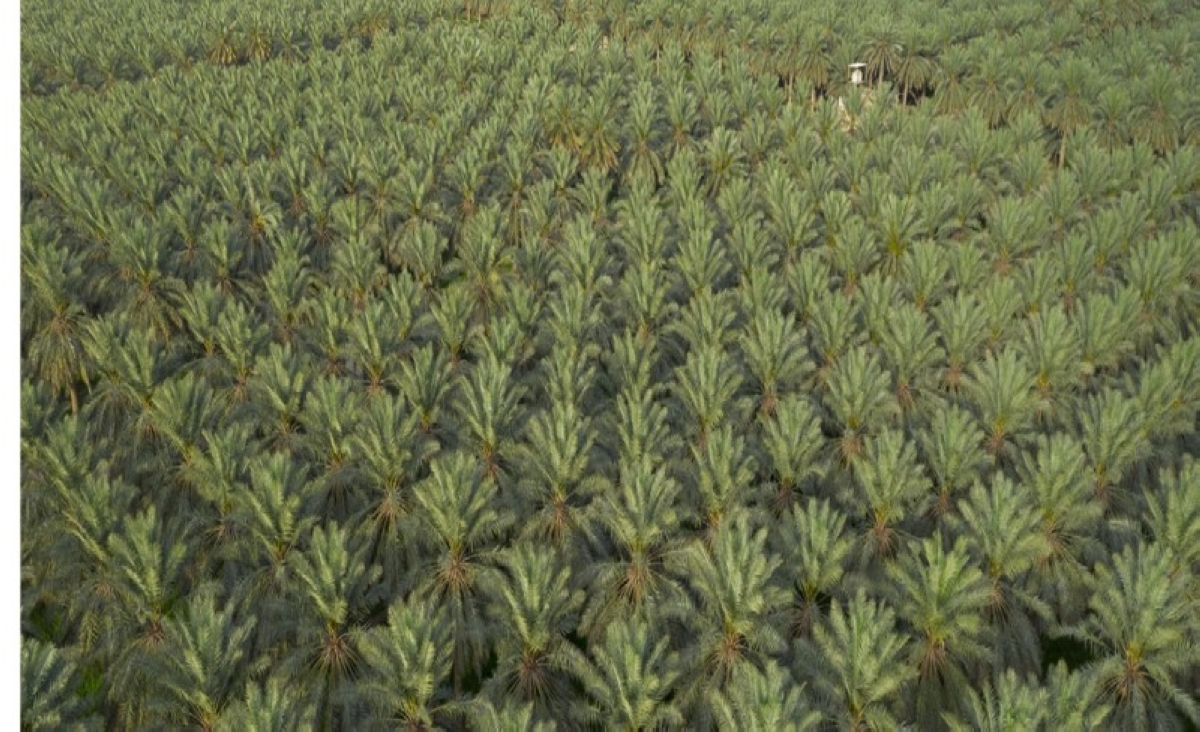
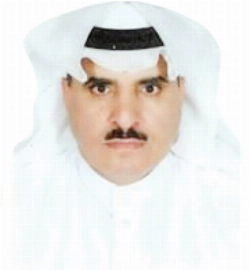
في أحد الحقول المزدهرة في المدينة المنورة، يقف المزارع علي الحربي أمام أشجار النخيل المتلألئة بالثمار، مبتسمًا بفخر يقول إن ما كان حلمًا بعيد المنال قبل سنوات أصبح اليوم واقعًا ملموسًا: اكتفاء ذاتي في منتجات أساسية يتجاوز 100%. ولم يكن هذا مجرد تقدير ميداني، بل كشفته وزارة البيئة والمياه والزراعة في حديث لـ«عكاظ»، لتؤكد أن المملكة حققت أكبر قفزة زراعية في تاريخها الحديث.
«الأمن الغذائي لم يعد هدفًا بعيدًا، بل أصبح حقيقة يومية»، هكذا أكدت الوزارة، مذكرة بأن وصول الناتج الزراعي المحلي إلى 118 مليار ريال يعتبر الرقم الأعلى على الإطلاق.
الوزارة أكدت لـ«عكاظ» أن هذه القفزة لم تأت من فراغ، بل جاءت نتيجة رؤية السعودية 2030 التي وضعت الزراعة ضمن ركائز الاقتصاد الوطني، وبرامج طموحة شملت تحسين البنية التحتية الزراعية، وتبني التقنيات الحديثة، وتشجيع الاستثمارات المحلية والأجنبية، وتوجيه الإقراض نحو الابتكار والاستدامة.
ثم جاءت النتيجة في إجمالي إنتاج غذائي يبلغ نحو 12.5 مليون طن، مع نسب اكتفاء مذهلة:
- التمور والحليب الطازج وبيض المائدة: 100%
- الخضراوات: 80%
- لحوم الدواجن: 70%
- الأسماك: 54%
تمكين الريف وصغار المزارعين
لا يقتصر الإنجاز على الأرقام فقط، بل يشمل تمكين آلاف المزارعين والأسر الريفية.
- برنامج التنمية الريفية الزراعية المستدامة: دعم أكثر من 80 ألف مستفيد و50 ألف أسرة، بقيمة 2.5 مليار ريال، لتطوير القطاعات الإنتاجية في المناطق الريفية.
- برنامج الإعانات الزراعية: دعم 6.7 مليار ريال لصغار مربي الماشية.
- تدريب 15 ألف نحّال لإنتاج أجود أنواع العسل السعودي.
وفي جانب التمويل، أظهرت الوزارة أن صندوق التنمية الزراعية سجل أعلى مستوى إقراض في تاريخه، بأكثر من 7.1 مليار ريال، بزيادة تجاوزت عشرة أضعاف مقارنة بعام 2016، مع ارتفاع عدد المستفيدين إلى 14 ألف مستفيد مقابل 1300 فقط قبل تسع سنوات.
كما ارتفع إنتاج الخضراوات من البيوت المحمية المطورة إلى 796 ألف طن، ما عزز الكفاءة الإنتاجية وترشيد استهلاك المياه باستخدام تقنيات متقدمة.
ريادة مستدامة تغزو الأسواق العالمية
وفي صعيد التصدير، واصلت التمور السعودية ريادتها عالمياً، محققة المرتبة الأولى في قيمة الصادرات بإجمالي 1.7 مليار ريال وتوزيع إلى 133 دولة.
كما بلغت صادرات الأسماك أكثر من 40 ألف طن بقيمة 600 مليون ريال خلال عام 2024، ما يعكس نجاح المملكة في تنويع القاعدة التصديرية وتعزيز حضورها في الأسواق الدولية.
هذه الإنجازات تشكل تحولًا نوعيًا في منظومة الزراعة الوطنية، وتؤكد قدرة المملكة على تحقيق أمن غذائي مستدام، ودعم الاقتصاد الوطني، وتمكين الريف والمزارعين، ومواكبة معايير الاستدامة العالمية.
وتختم الوزارة حديثها لـ«عكاظ» بالتأكيد على أن الزراعة السعودية اليوم نموذج عالمي للابتكار والريادة، يعكس نجاح رؤية 2030 في جعل الاستدامة ركيزة للتنمية والازدهار.
In one of the flourishing fields in Medina, farmer Ali Al-Harbi stands before the palm trees sparkling with fruit, smiling with pride as he says that what was once a distant dream years ago has today become a tangible reality: self-sufficiency in essential products exceeding 100%. This was not just a field estimate, but was revealed by the Ministry of Environment, Water, and Agriculture in a statement to "Okaz," confirming that the Kingdom has achieved the largest agricultural leap in its modern history.
“Food security is no longer a distant goal, but has become a daily reality,” the ministry affirmed, noting that the local agricultural output reaching 118 billion riyals is the highest figure ever.
The ministry confirmed to "Okaz" that this leap did not come from nowhere, but was the result of Saudi Vision 2030, which placed agriculture among the pillars of the national economy, along with ambitious programs that included improving agricultural infrastructure, adopting modern technologies, encouraging local and foreign investments, and directing lending towards innovation and sustainability.
The result was an overall food production of about 12.5 million tons, with astonishing self-sufficiency rates:
- Dates, fresh milk, and table eggs: 100%
- Vegetables: 80%
- Poultry meat: 70%
- Fish: 54%
Empowering Rural Areas and Small Farmers
The achievement is not limited to numbers alone but includes empowering thousands of farmers and rural families.
- The Sustainable Agricultural Rural Development Program: supported more than 80,000 beneficiaries and 50,000 families, with a value of 2.5 billion riyals, to develop productive sectors in rural areas.
- The Agricultural Subsidies Program: supported 6.7 billion riyals for small livestock breeders.
- Training 15,000 beekeepers to produce the finest types of Saudi honey.
In terms of financing, the ministry showed that the Agricultural Development Fund recorded the highest lending level in its history, exceeding 7.1 billion riyals, with an increase of more than ten times compared to 2016, while the number of beneficiaries rose to 14,000 compared to only 1,300 nine years ago.
Vegetable production from developed greenhouses also increased to 796,000 tons, enhancing productivity efficiency and rationalizing water consumption using advanced technologies.
Sustainable Leadership Conquering Global Markets
In terms of exports, Saudi dates continued their global leadership, achieving the first rank in export value with a total of 1.7 billion riyals distributed to 133 countries.
Fish exports also exceeded 40,000 tons, valued at 600 million riyals during the year 2024, reflecting the Kingdom's success in diversifying its export base and enhancing its presence in international markets.
These achievements represent a qualitative transformation in the national agricultural system and confirm the Kingdom's ability to achieve sustainable food security, support the national economy, empower rural areas and farmers, and keep pace with global sustainability standards.
The ministry concludes its statement to "Okaz" by affirming that Saudi agriculture today is a global model of innovation and leadership, reflecting the success of Vision 2030 in making sustainability a cornerstone of development and prosperity.