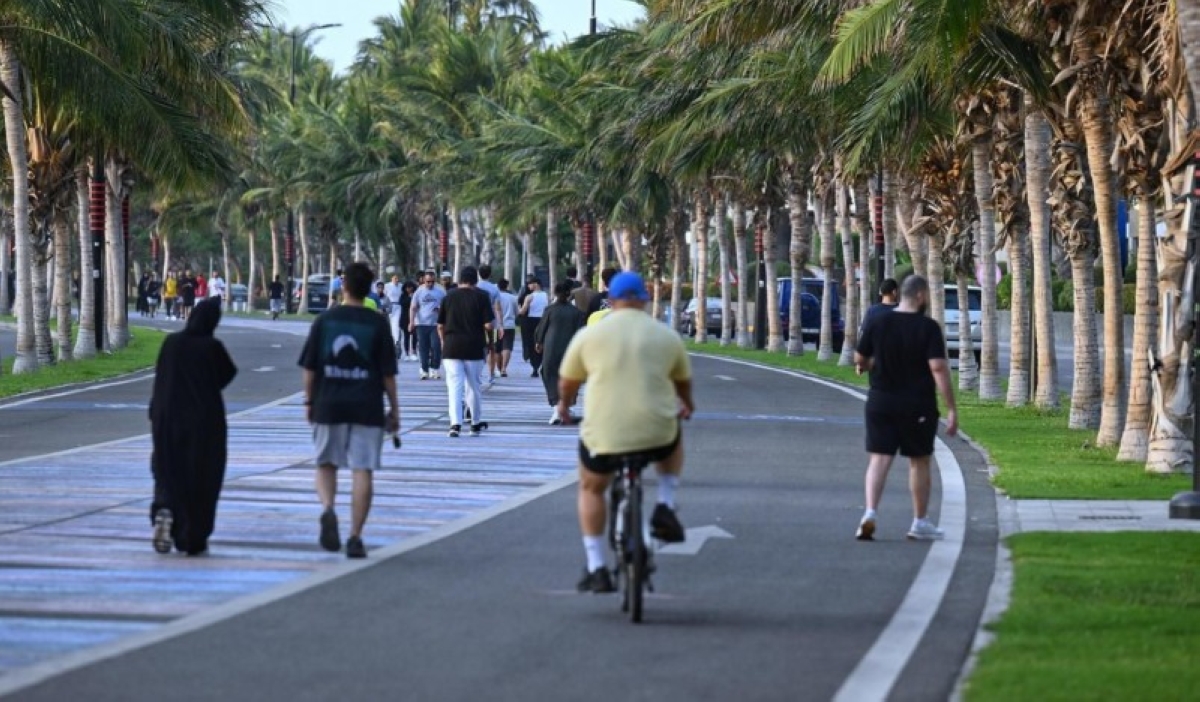
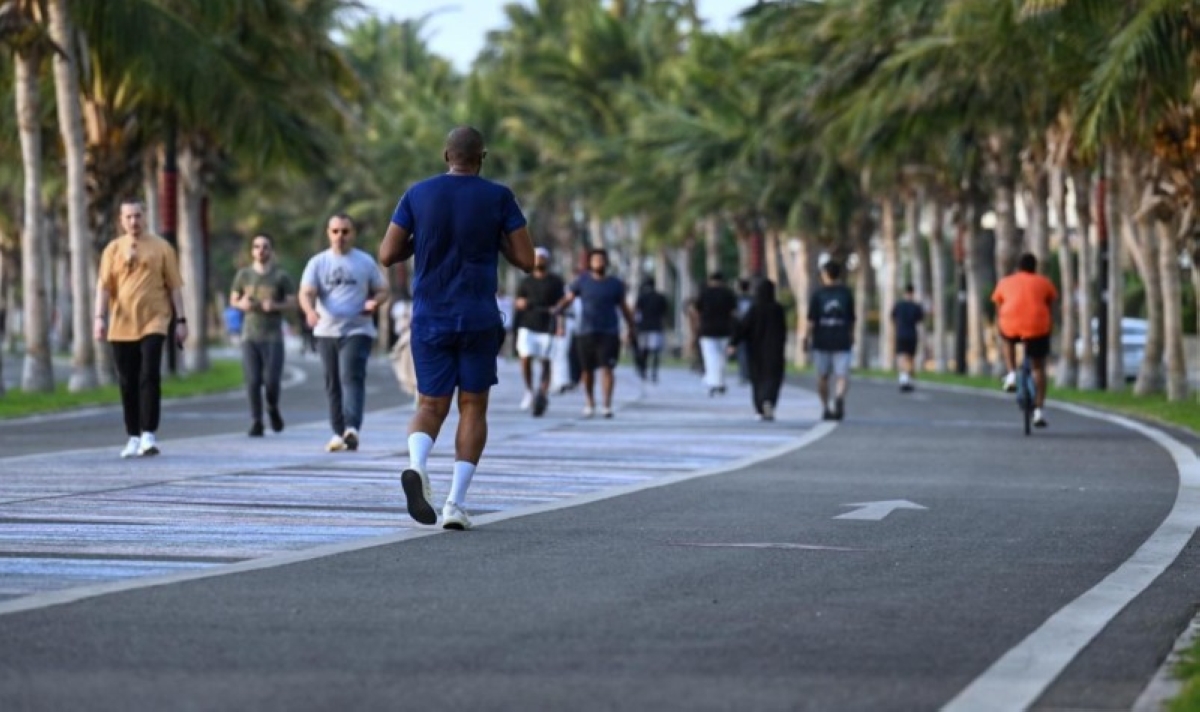
في إنجاز وطني يعكس نجاح برامج جودة الحياة، وارتفاع وعي المجتمع بأهمية الرياضة، كشفت الهيئة العامة للإحصاء في نشرتها لإحصاءات النشاط البدني لعام 2025 أن 59.1% من سكان المملكة (18 سنة فأكثر) يمارسون نشاطًا بدنيًا لمدة 150 دقيقة أسبوعيًا.
تفوّق الذكور على الإناث
وأظهرت النتائج أن الذكور تفوقوا في نسبة الممارسة بنسبة 66.5% مقابل 43.1% لدى الإناث، فيما تصدرت الفئة العمرية (18 – 29 عامًا) المشهد بنسبة ممارسة بلغت 71.2%، ما يعكس الحيوية الشبابية وتنامي الاهتمام باللياقة والصحة. وفي المقابل، سجلت الفئة العمرية (80 عامًا فأكثر) أدنى نسبة ممارسة عند 3.5%.
وجاء نشاط التنقل مثل المشي وركوب الدراجات الهوائية في المرتبة الأولى بين الأنشطة الأكثر انتشارًا بنسبة 57.1%، يليه النشاط البدني المرتبط بالعمل بنسبة 43.9%، ثم النشاط غير المرتبط بالعمل بنسبة 37.8%، وهو ما يعكس إدماج الحركة في أنماط الحياة اليومية.
الأطفال والمراهقون
وعلى مستوى الأطفال والمراهقين (من عمر 5 إلى 17 عامًا)، بيّنت النشرة أن 19.0% منهم يمارسون النشاط البدني لمدة 60 دقيقة أو أكثر يوميًا، حيث بلغت النسبة 23.3% لدى الذكور مقابل 14.4% لدى الإناث. في حين بينت البيانات أن 34.6% من هذه الفئة يقضون ما بين ساعة إلى ساعتين يوميًا في أنشطة خمولية مثل مشاهدة التلفاز أو استخدام الأجهزة الإلكترونية خارج إطار التعليم.
وأكدت الهيئة أن التقديرات تعتمد على بيانات الإبلاغ الذاتي وفقًا لنتائج المسح الصحي الوطني ومسح صحة المرأة والطفل لعام 2025، مدعومة بالتقديرات السكانية الرسمية.
ويأتي هذا التقدم امتدادًا لأهداف رؤية السعودية 2030 وبرنامج جودة الحياة، اللذين أسهما في تعزيز ممارسة الرياضة بوصفها أسلوب حياة، من خلال نشر المرافق الرياضية وتنظيم الفعاليات المجتمعية وتحفيز مختلف الفئات العمرية على الانخراط في النشاط البدني للحفاظ على صحة المجتمع ورفع متوسط العمر وجودة الحياة.
In a national achievement that reflects the success of quality of life programs and the increasing awareness of the community regarding the importance of sports, the General Authority for Statistics revealed in its report on physical activity statistics for the year 2025 that 59.1% of the Kingdom's population (aged 18 and older) engage in physical activity for 150 minutes weekly.
Male Dominance Over Females
The results showed that males surpassed females in participation rates, with 66.5% compared to 43.1% for females. The age group of 18 to 29 years led the scene with a participation rate of 71.2%, reflecting youthful vitality and a growing interest in fitness and health. In contrast, the age group of 80 years and older recorded the lowest participation rate at 3.5%.
Walking and cycling ranked first among the most common activities, with a rate of 57.1%, followed by work-related physical activity at 43.9%, and non-work-related activity at 37.8%, reflecting the integration of movement into daily life patterns.
Children and Adolescents
For children and adolescents (aged 5 to 17 years), the report indicated that 19.0% engage in physical activity for 60 minutes or more daily, with the rate being 23.3% for males compared to 14.4% for females. Meanwhile, the data showed that 34.6% of this group spend between one to two hours daily in sedentary activities such as watching television or using electronic devices outside of educational contexts.
The Authority emphasized that the estimates rely on self-reported data according to the results of the national health survey and the women's and children's health survey for 2025, supported by official population estimates.
This progress is a continuation of the goals of Saudi Vision 2030 and the Quality of Life Program, which have contributed to promoting sports as a way of life by expanding sports facilities, organizing community events, and encouraging various age groups to engage in physical activity to maintain community health and improve life expectancy and quality of life.