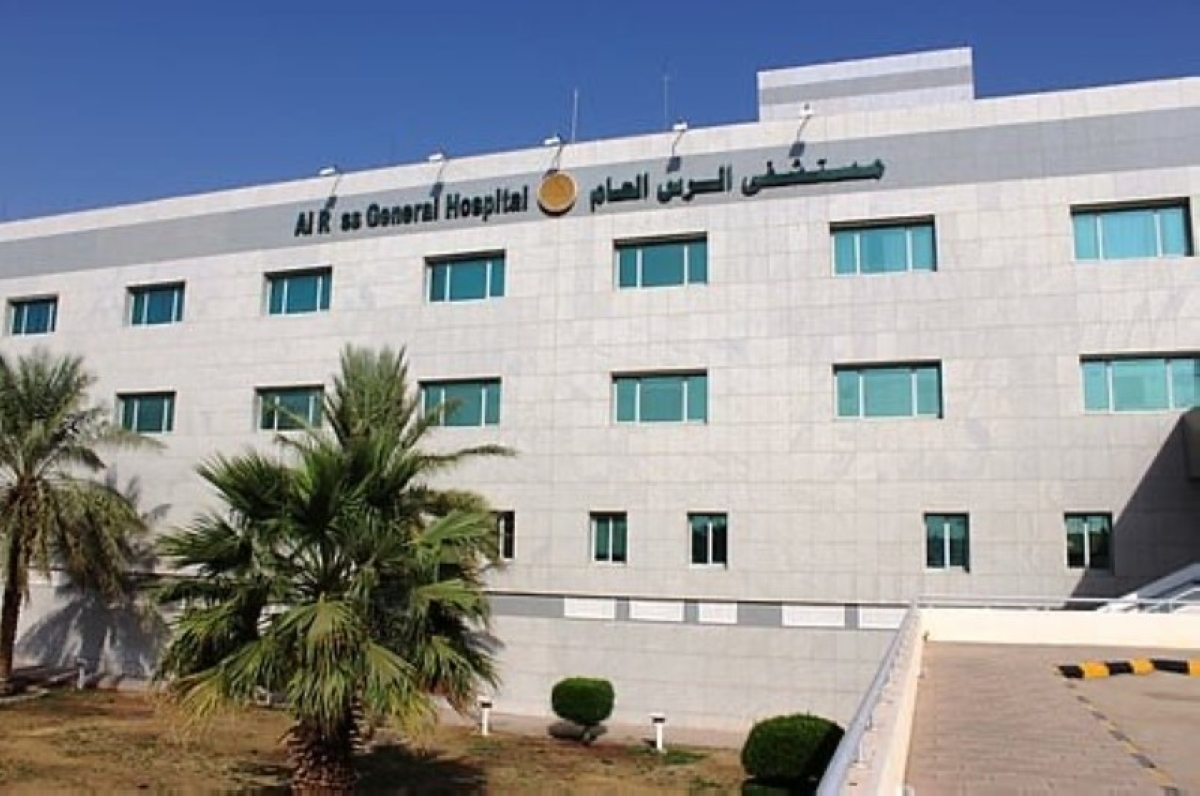
وقف الأب أمام الجثمان المسجّى بثوب الوداع، يظنّ أنه يحتضن النهاية، فإذا بالخطأ يفتح فصلا جديدا من الفقد. مدّ يده مودّعا ملامح يعتقد أنها لابنته، قبل أن يكتشف أنّ الجسد الذي حمله بعاطفة الأب، يخصّ شابا غريبا، وأن الحزن الذي عاشه كان لغير من رحلت فعلا. تلك اللحظة لم تهزّه وحده، بل كشفت خللا إداريا فادحا في مستشفى الرس، تجاوز حدود الخطأ الطبي إلى خطأ إنساني يهزّ الضمير قبل النظام.
في مكان ما من ممرات مستشفى الرس، كانت الأوراق تتداول بين الأيدي ببرود إداري لا يشبه حرارة الموت، توقيع هنا، ختم هناك، وجثمان يُسلّم باسم غير اسمه، لا أحد يدري في أي لحظة ضاعت الدقة، ولا من الذي أغمض عينيه عن التفاصيل التي تُصان بها كرامة الإنسان بعد الرحيل.
الواقعة كانت أشبه بمرآة كُسرت أمام الجميع، فظهرت في شظاياها صورة منظومة تحتاج إلى مراجعة ضمير أكثر مما تحتاج إلى مراجعة إجراء.
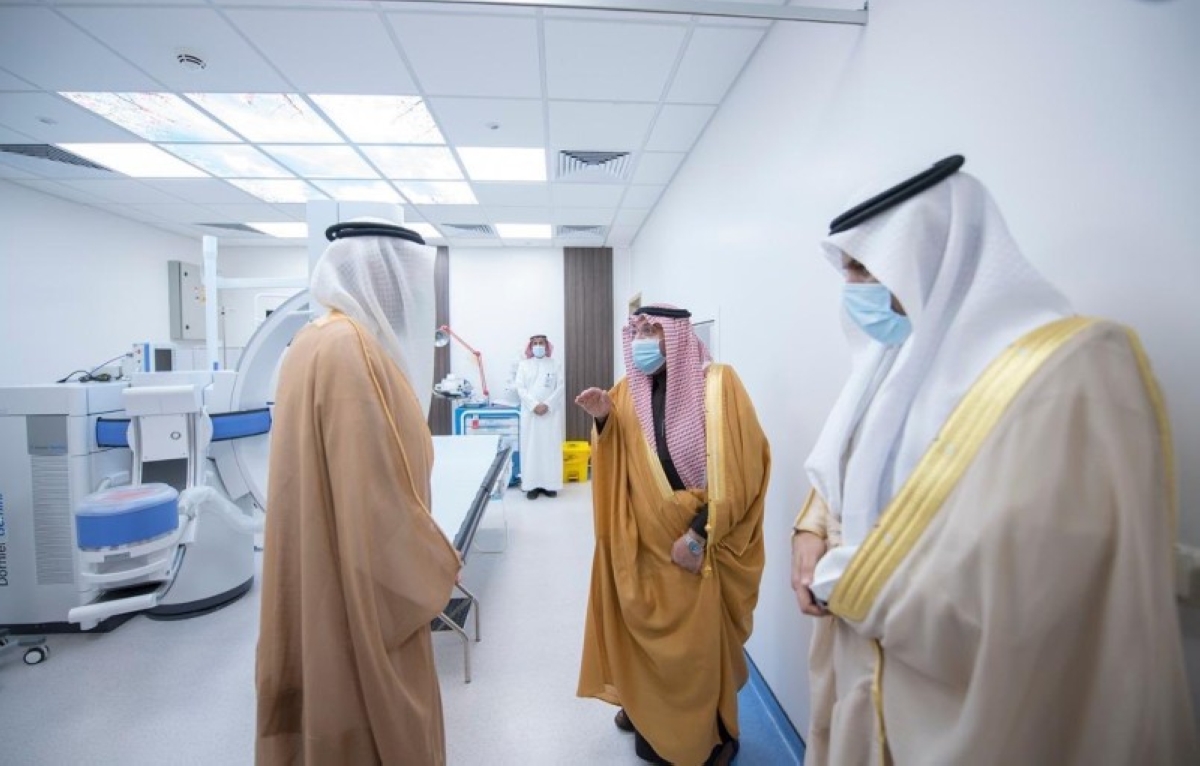
وحين وصلت القصة إلى مسامع أمير القصيم، تحدث الموقف قبل أن تتكلم البيانات.
توجيه عاجل بالتحقيق
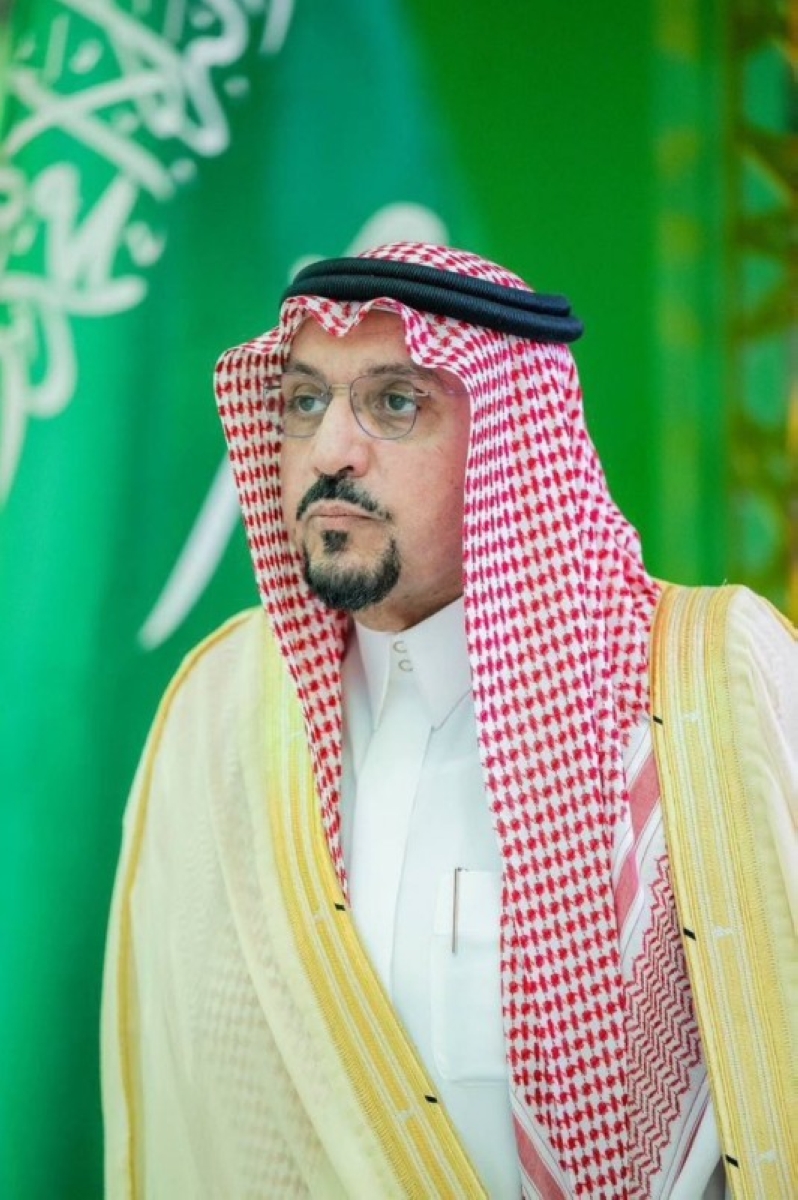
أصدر الأمير الدكتور فيصل بن مشعل بن سعود بن عبدالعزيز توجيها عاجلا بتشكيل لجنة تحقق، وكأنه يرسم بخط اليد خارطة جديدة للمسؤولية، تبدأ من الحقيقة وتنتهي عند المحاسبة. كان صوته الإداري مشبعا بإنسانية لا تتساهل، وبصرامة لا تؤذي. أراد أن يقول إن الأخطاء حين تمسّ الجسد الميت، فإنها تمسّ وجدان الأحياء.
وفي ذاكرة القصيم، لا تبدو هذه القصة يتيمة؛ فقبل 17 عاما، في مستشفى بريدة المركزي، حدثت فاجعة مشابهة، حين استُبدل جثمان متوفاة بآخر. ثم في أملج عام 2017، تكررت المأساة ذاتها بصورة أخرى. كأن القدر يعيد المشهد كل عقدٍ ليذكّر بأن التقنية مهما تطورت، فالقلب هو جهاز المطابقة الأصدق.
هذه الأخطاء علامات استفهام مكتوبة بدمع الآباء وأوجاع الأمهات، تسأل: كيف نُخطئ في الوداع؟ كيف نمنح الحزن عنوانا خاطئا؟
هنا لا ينفع العذر، فالموت لا يُراجع، والكرامة لا تُرمّم بعد الفقد.
ولأن الحوادث تتكرر، جاء توجيه أمير القصيم كصوت يوقظ النائم في ضمير الإدارة، ليقول إن المحاسبة إنصاف للعدالة الغائبة بين اسم واسم، وجثمان وجثمان.
هنا لا تنتهي الحكاية بخطأ في مستشفى، بل بفاجعة تمسّ معنى الوداع نفسه؛ فحين يُسلَّم جسد إنسان لغير أهله، يهتزّ ميزان الرحمة قبل القانون.
كرامة الإنسان تُكتب مرتين: مرة حين يحيا بعزّة، ومرة حين يُعاد إلى التراب الذي يعرفه حقا.
The father stood before the body draped in the shroud of farewell, believing he was embracing the end, only to find that the mistake opened a new chapter of loss. He extended his hand, bidding farewell to features he thought belonged to his daughter, before discovering that the body he held with a father's affection belonged to a stranger, and that the sorrow he experienced was for someone other than the one who had truly departed. That moment did not only shake him; it revealed a grave administrative flaw in Al-Rass Hospital, transcending the boundaries of medical error into a humanitarian mistake that shakes the conscience before the system.
Somewhere in the corridors of Al-Rass Hospital, papers circulated among hands with an administrative coldness that did not resemble the heat of death, a signature here, a stamp there, and a body delivered under a name that was not its own. No one knew at what moment precision was lost, nor who had closed their eyes to the details that preserve human dignity after departure.
The incident was like a mirror shattered before everyone, revealing in its shards an image of a system that needs a review of conscience more than it needs a review of procedure.
And when the story reached the ears of the Prince of Al-Qassim, the situation spoke before the data did.
Urgent Directive for Investigation
Prince Dr. Faisal bin Mishal bin Saud bin Abdulaziz issued an urgent directive to form an investigative committee, as if he were hand-drawing a new map of responsibility, starting from the truth and ending with accountability. His administrative voice was imbued with a humanity that does not tolerate, and with a firmness that does not harm. He wanted to convey that when mistakes touch the dead body, they touch the feelings of the living.
In the memory of Al-Qassim, this story does not seem to be an orphan; for 17 years ago, at Buraidah Central Hospital, a similar tragedy occurred when the body of a deceased woman was replaced with another. Then in Umluj in 2017, the same tragedy repeated itself in another form. As if fate replays the scene every decade to remind that no matter how advanced technology becomes, the heart is the most accurate matching device.
These mistakes are question marks written in the tears of fathers and the pains of mothers, asking: How do we err in farewell? How do we give sorrow the wrong address?
Here, excuses are of no use, for death cannot be reviewed, and dignity cannot be repaired after loss.
And because such incidents recur, the directive of the Prince of Al-Qassim came as a voice awakening the sleeping conscience in administration, to say that accountability is justice for the absent fairness between one name and another, and one body and another.
Here, the story does not end with a mistake in a hospital, but with a tragedy that touches the very meaning of farewell; for when a human body is delivered to someone other than its family, the scale of mercy shakes before the law.
Human dignity is written twice: once when one lives with honor, and once when one is returned to the earth that truly knows them.