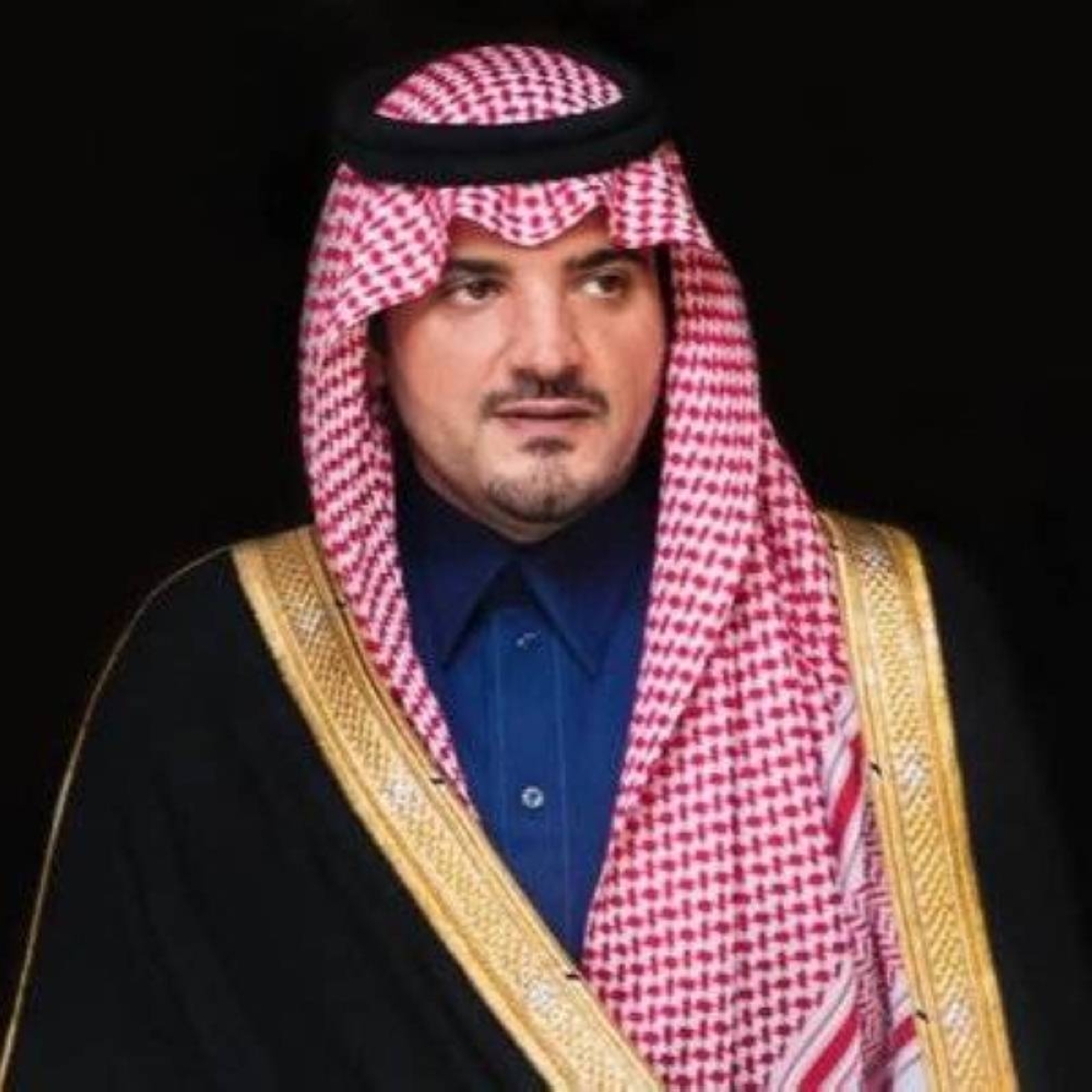
تحت رعاية وزير الداخلية الرئيس الفخري لمجلس وزراء الداخلية العرب رئيس المجلس الأعلى لجامعة نايف العربية للعلوم الأمنية الأمير عبد العزيز بن سعود بن نايف بن عبد العزيز، تستضيف الجامعة بمقرها في الرياض خلال الفترة من 13 إلى 14 أكتوبر 2025 المؤتمر الثاني للإنتربول حول مستقبل العمل الشرطي، الذي تنظمه منظمة الشرطة الجنائية الدولية (الإنتربول) بمشاركة الدول الأعضاء والمنظمات الإقليمية والدولية ذات العلاقة.
ويهدف المؤتمر إلى استشراف مستقبل العمل الشرطي في ظل التطورات التقنية المتسارعة، ومساعدة أجهزة إنفاذ القانون في التعرّف على المتغيرات المحتملة والتأهّب للتعامل معها بفعالية.
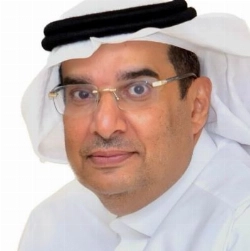
وأكد رئيس جامعة نايف العربية للعلوم الأمنية الدكتور عبدالمجيد البنيان أن رعاية وزير الداخلية رئيس المجلس الأعلى للجامعة لهذا المؤتمر تأتي تأكيدا لأهميته الإستراتيجية، حيث سيناقش العديد من الموضوعات ذات الاهتمام الأمني العالمي، وفي مقدمتها تكييف النماذج الشرطية مع التهديدات في مدن المستقبل، إضافة إلى وضع إطار عالمي لمهارات وكفاءات رجال الأمن، وبلورة نموذج قيادي لمؤسسات الشرطة لمواجهة التحديات المستجدة.
وأوضح أن هذه الرعاية الكريمة تعد امتدادا للاهتمام الدائم الذي يوليه وزير الداخلية لهذه المؤسسة الأمنية الأكاديمية العربية، في إطار ما تجده الجامعة من دعم كريم من دولة المقر بقيادة خادم الحرمين الشريفين الملك سلمان بن عبدالعزيز، وولي عهده الأمير محمد بن سلمان، وهي الرعاية التي مكّنت الجامعة من أداء رسالتها وتحقيق رؤيتها الإستراتيجية في إعداد القادة والخبراء العرب في المجالات الأمنية، ودعم صناعة القرار الأمني العربي.
وأفاد الدكتور البنيان أن المؤتمر في نسخته الثانية سيجمع نخبة من القيادات الأمنية والشرطية، وخبراء القطاع الخاص، لمناقشة إستراتيجيات فعّالة وخطوات عملية للتعامل مع التحديات المعقدة التي ستواجه المجتمع الشرطي خلال السنوات القادمة.
وأشار إلى أن استضافة الجامعة للمؤتمر تأتي أيضا في إطار الشراكة الإستراتيجية المتميزة بين الجامعة والإنتربول، التي بدأت منذ عام 2005، وتطورت بتوقيع مذكرة تفاهم مشترك في عام 2011، وتُوجت بانضمام الجامعة إلى شبكة أكاديمية الإنتربول العالمية في عام 2020، مؤكدا أن هذه الشراكة أثمرت تنظيم العديد من الأنشطة العلمية والتدريبية في مجالات التدريب الشرطي، ومكافحة الاتجار بالبشر، ومكافحة الجريمة المنظمة، والحماية المدنية، ومكافحة الإرهاب والقرصنة.
واختتم بأن جامعة نايف العربية للعلوم الأمنية، وانطلاقا من خطتها الإستراتيجية NAUSS 2029، تُولِي أهمية خاصة لتطوير التعاون الدولي والشراكات الإستراتيجية تنفيذا للتوجيهات الكريمة من الأمير عبدالعزيز بن سعود بن نايف بن عبدالعزيز، وإخوانه وزراء الداخلية العرب، التي تؤكد دائما فتح آفاق جديدة للتعاون العربي الدولي، خصوصا مع المؤسسات الأكاديمية والأمنية والمنظمات ذات العلاقة ببرامج الجامعة.
الجدير بالذكر أن المؤتمر، الذي سيشارك في أعماله قيادات أمنية وشرطية وخبراء في المدن الذكية والذكاء الاصطناعي والتقنيات الناشئة، وأكاديميون في المجالات الأمنية، سيناقش عددا من المحاور أبرزها: العمل الشرطي في مدن المستقبل، والنماذج والأدوار الشرطية المستقبلية ومتطلبات الكفاءة، والقيادة الاستشرافية من أجل الأمن العالمي.
Under the patronage of the Minister of Interior, the honorary president of the Council of Arab Interior Ministers, and the president of the Supreme Council of the Naif Arab University for Security Sciences, Prince Abdulaziz bin Saud bin Naif bin Abdulaziz, the university will host the second Interpol conference on the future of police work at its headquarters in Riyadh from October 13 to 14, 2025. This conference is organized by the International Criminal Police Organization (Interpol) with the participation of member states and relevant regional and international organizations.
The conference aims to anticipate the future of police work in light of rapid technological developments and to assist law enforcement agencies in identifying potential changes and preparing to deal with them effectively.
Dr. Abdulmajid Al-Bunyan, the president of the Naif Arab University for Security Sciences, confirmed that the patronage of the Minister of Interior, the president of the university's Supreme Council, for this conference underscores its strategic importance. Many topics of global security interest will be discussed, foremost among them adapting policing models to the threats in future cities, in addition to establishing a global framework for the skills and competencies of security personnel, and developing a leadership model for police institutions to face emerging challenges.
He explained that this generous patronage is an extension of the ongoing interest that the Minister of Interior shows towards this Arab academic security institution, within the framework of the generous support the university receives from the host country, led by the Custodian of the Two Holy Mosques King Salman bin Abdulaziz and his Crown Prince, Prince Mohammed bin Salman. This support has enabled the university to fulfill its mission and achieve its strategic vision in preparing Arab leaders and experts in security fields and supporting Arab security decision-making.
Dr. Al-Bunyan stated that the second edition of the conference will bring together a select group of security and police leaders, as well as private sector experts, to discuss effective strategies and practical steps to address the complex challenges that the policing community will face in the coming years.
He pointed out that the university's hosting of the conference also falls within the framework of the distinguished strategic partnership between the university and Interpol, which began in 2005, evolved with the signing of a memorandum of understanding in 2011, and culminated in the university joining the Interpol Global Academic Network in 2020. He emphasized that this partnership has resulted in the organization of numerous scientific and training activities in the fields of police training, combating human trafficking, fighting organized crime, civil protection, and counter-terrorism and piracy.
He concluded that the Naif Arab University for Security Sciences, based on its strategic plan NAUSS 2029, places special importance on developing international cooperation and strategic partnerships in implementation of the generous directives from Prince Abdulaziz bin Saud bin Naif bin Abdulaziz and his fellow Arab interior ministers, which always emphasize opening new horizons for Arab international cooperation, especially with academic and security institutions and organizations related to the university's programs.
It is worth noting that the conference, which will involve security and police leaders, experts in smart cities, artificial intelligence, and emerging technologies, as well as academics in security fields, will discuss several key themes, including: police work in future cities, future policing models and roles, competency requirements, and visionary leadership for global security.