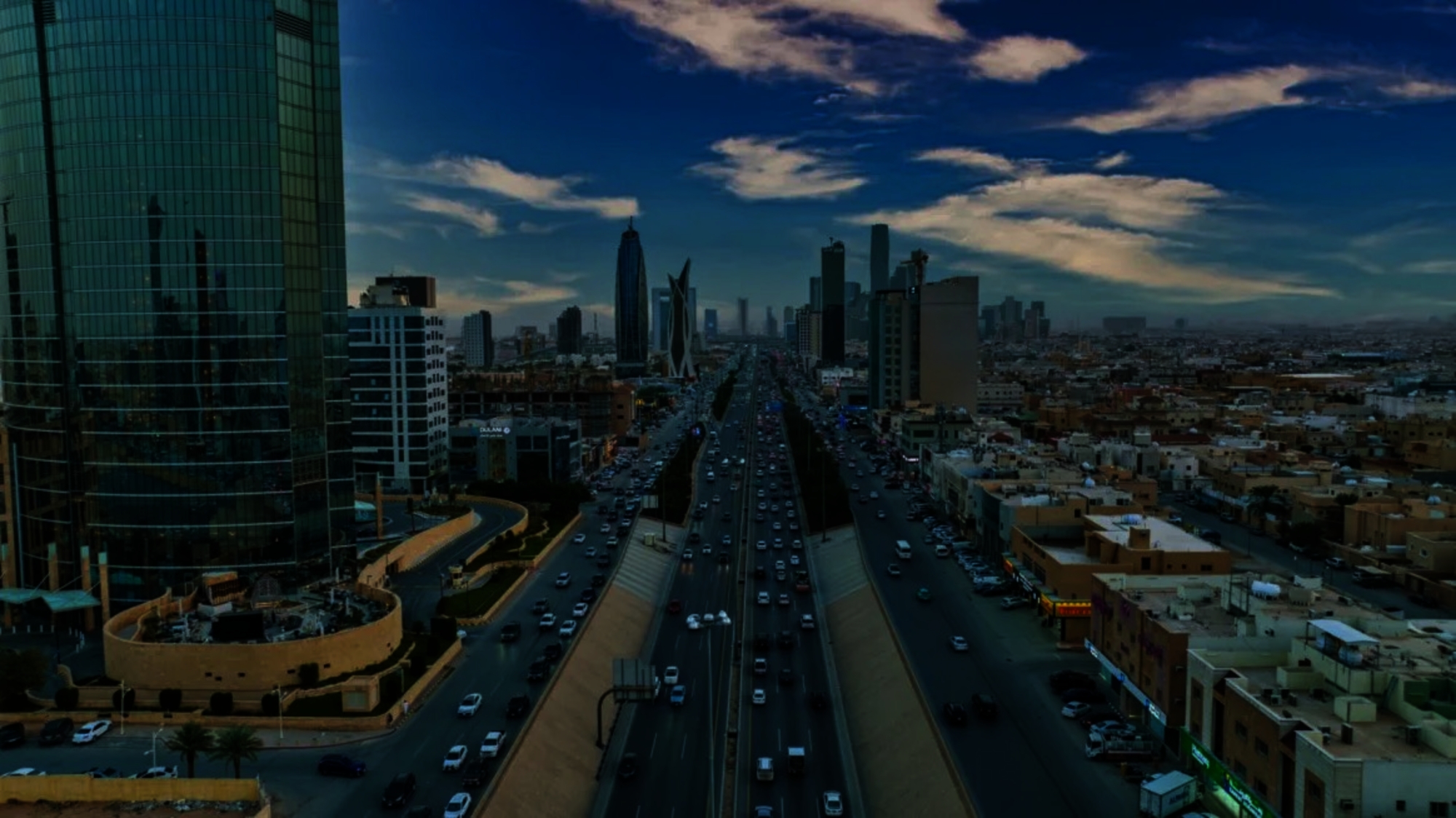
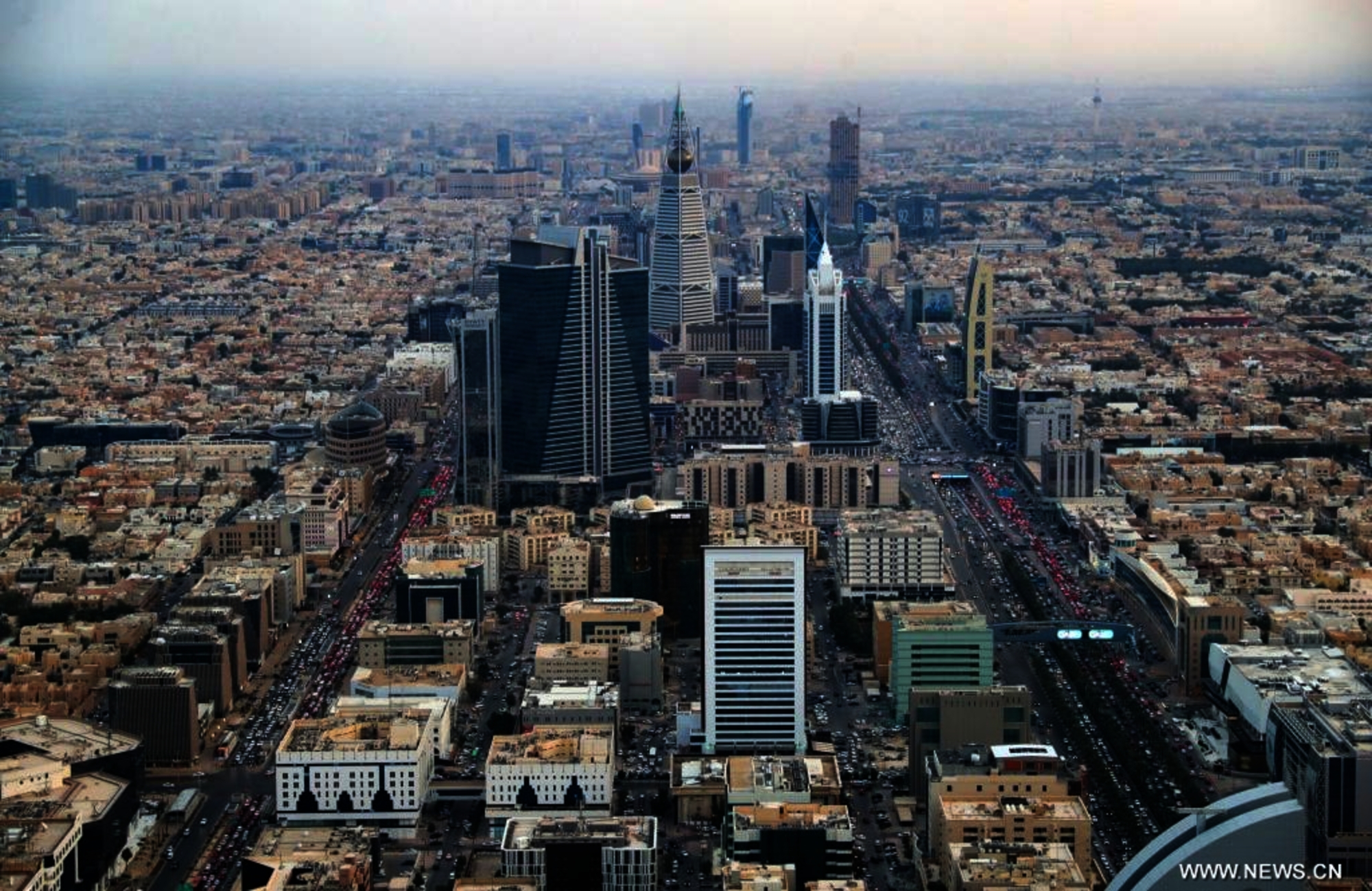
في خطوة تُعيد تعريف مفهوم الإدارة المحلية، دشّنت أمانة منطقة الرياض هيكلاً بلدياً جديداً يُعد الأكبر من نوعه في تاريخ المدن السعودية، بعد أن أُلغيت جميع البلديات في مدينة الرياض رسمياً وأُوقف العمل في مبانيها القديمة، ليبدأ عصر إداري يعتمد على اللامركزية التشغيلية وكفاءة الأداء وجودة الخدمات.
من التشتت إلى التكامل:
كانت أمانة الرياض تدير المدينة سابقاً بنسبة تشغيل بلغت 70%، فيما كانت البلديات تتولى 30% فقط، كل منها ضمن نطاقها الجغرافي المحدود، ما جعل الخدمة رهينة النطاقات والحدود الإدارية.
أما اليوم، فقد انتقلت العاصمة إلى نموذج إداري أكثر مرونة وتكاملاً عبر 5 مناطق تشغيلية رئيسية، يقود كل منها رئيس تنفيذي وفريق عمل متكامل، يتمتع بصلاحيات تشغيلية كاملة بنسبة 100%، في حين بقيت الأمانة كجهاز إستراتيجي معني بالتخطيط ووضع المعايير ومتابعة الأداء العام.
مدينة مؤسسية:
إعادة الهيكلة لم تكن شكلية، بل امتدت إلى عمق المنظومة البلدية، حيث استُحدثت إدارات تنفيذية جديدة تتوزع على 5 مناطق تمثل الأحياء الكبرى للعاصمة، مدعومة بمؤشرات أداء دقيقة وآليات رقابية موحدة.
هذا النموذج يعكس توجهاً متقدماً نحو إدارة المدن الكبرى بمفهوم الشركات الحضرية، إذ تعمل كل منطقة ككيان تشغيلي مستقل ضمن منظومة إستراتيجية واحدة، ما يُحقق سرعة القرار، ووضوح المسؤولية، واستدامة الخدمة.
«مدينتي».. واجهة الرياض:
ضمن هذا التحول، أُنشئت مكاتب خدمات حديثة تحت مسمى «مدينتي» تغطي أنحاء الرياض كافة، وتقدّم جميع الخدمات البلدية دون التقيد بالموقع الجغرافي للمستفيد.
تُعد هذه المكاتب امتداداً رقمياً وميدانياً للأمانة، وتتيح للمواطن والمقيم إتمام معاملاته عبر المنصات الرقمية أو من أي فرع من فروع «مدينتي»، في نقلة نوعية ترفع جودة تجربة المستفيد وتعزز رضا المجتمع.
تحول تنموي:
يقف وراء هذا المشروع توجه وطني متكامل نحو حوكمة المدن السعودية وربط التنمية المحلية برؤية 2030، حيث باتت الرياض نموذجاً في التحول البلدي الذكي، الذي يوحّد الخدمات ويرفع كفاءة التشغيل ويعيد توجيه الإنفاق البلدي نحو التنمية الحضرية والمجتمعية.
كما يعكس المشروع نضوجاً في مفهوم الخدمة البلدية، من كونها مجرد إجراء ميداني إلى كونها منظومة تنموية واقتصادية متكاملة.
الرياض.. مدينة المستقبل:
تحوّل الرياض البلدي هو منعطف تنموي يعيد تعريف إدارة العاصمة كمدينة عالمية تُدار بمنهجية المدن الذكية، حيث تصبح البيانات والمواطنة الرقمية والحوكمة التشغيلية محاور القرار اليومي.
اليوم تتقدم الرياض لتكون مرجعاً حضرياً للمدن السعودية والعربية، تُدار بالمعايير وتُقاس بالأداء وتُبنى على رضا المستفيد، لتكون مدينة تُدار بالعقل قبل البنية.
In a move that redefines the concept of local governance, the Riyadh Municipality has launched a new municipal structure that is the largest of its kind in the history of Saudi cities, after all municipalities in Riyadh were officially abolished and work in their old buildings was halted, marking the beginning of an administrative era based on operational decentralization, performance efficiency, and service quality.
From Fragmentation to Integration:
The Riyadh Municipality previously managed the city with an operational rate of 70%, while the municipalities handled only 30%, each within its limited geographical scope, which made service dependent on administrative boundaries and sectors.
Today, however, the capital has transitioned to a more flexible and integrated administrative model through 5 main operational areas, each led by an executive director and a complete team, enjoying full operational powers at 100%, while the municipality remains a strategic body concerned with planning, setting standards, and monitoring overall performance.
An Institutional City:
The restructuring was not merely formal; it extended deeply into the municipal system, where new executive departments were established across 5 areas representing the major neighborhoods of the capital, supported by precise performance indicators and unified monitoring mechanisms.
This model reflects an advanced approach to managing large cities with the concept of urban corporations, as each area operates as an independent entity within a single strategic framework, achieving decision-making speed, clarity of responsibility, and service sustainability.
“My City”.. The Face of Riyadh:
As part of this transformation, modern service offices were established under the name “My City,” covering all areas of Riyadh and providing all municipal services without being restricted by the geographical location of the beneficiary.
These offices serve as a digital and field extension of the municipality, allowing citizens and residents to complete their transactions through digital platforms or at any branch of “My City,” in a qualitative leap that enhances the quality of the beneficiary's experience and boosts community satisfaction.
Developmental Transformation:
This project is backed by a comprehensive national approach towards the governance of Saudi cities and linking local development with Vision 2030, where Riyadh has become a model for smart municipal transformation, unifying services, enhancing operational efficiency, and redirecting municipal spending towards urban and community development.
The project also reflects a maturity in the concept of municipal service, evolving from a mere field procedure to a comprehensive developmental and economic system.
Riyadh.. The City of the Future:
The municipal transformation of Riyadh is a developmental turning point that redefines the management of the capital as a global city governed by the principles of smart cities, where data, digital citizenship, and operational governance become the focal points of daily decision-making.
Today, Riyadh is advancing to become an urban reference for Saudi and Arab cities, managed by standards, measured by performance, and built on beneficiary satisfaction, making it a city governed by intellect before infrastructure.