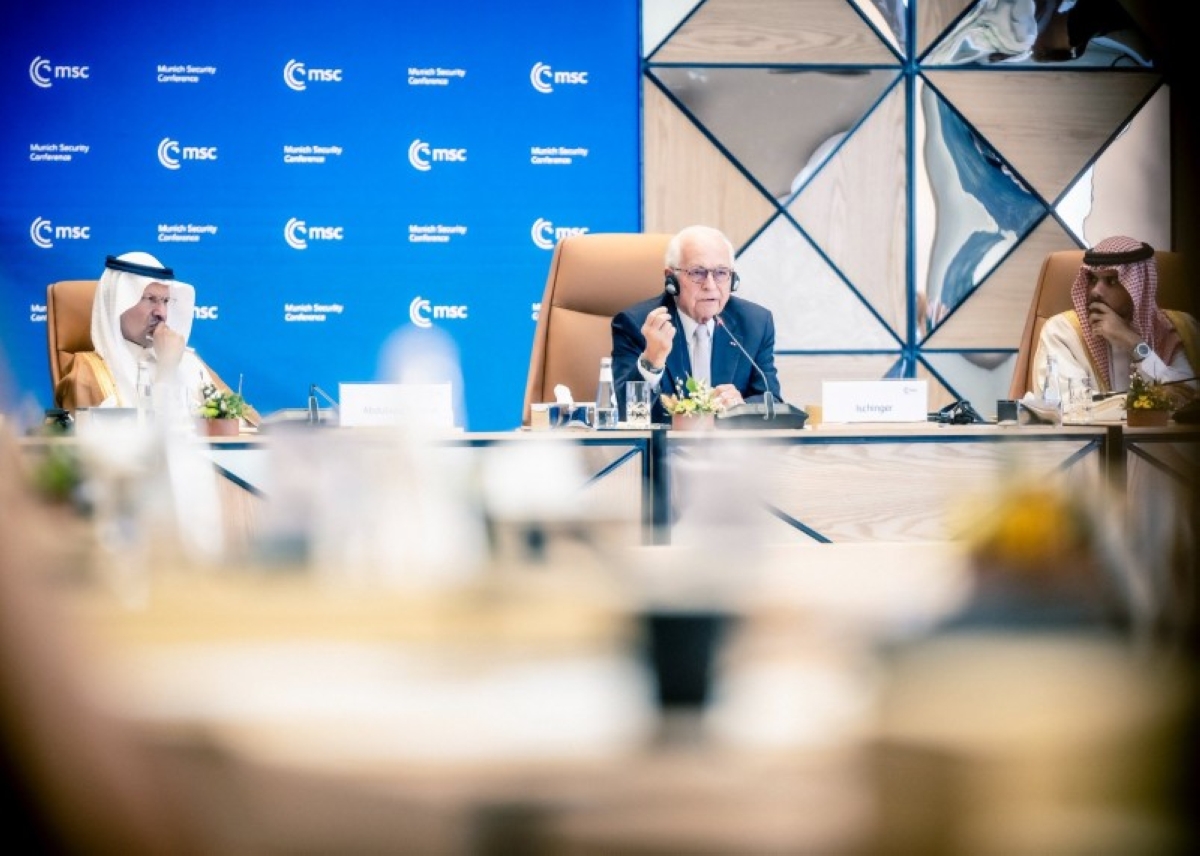
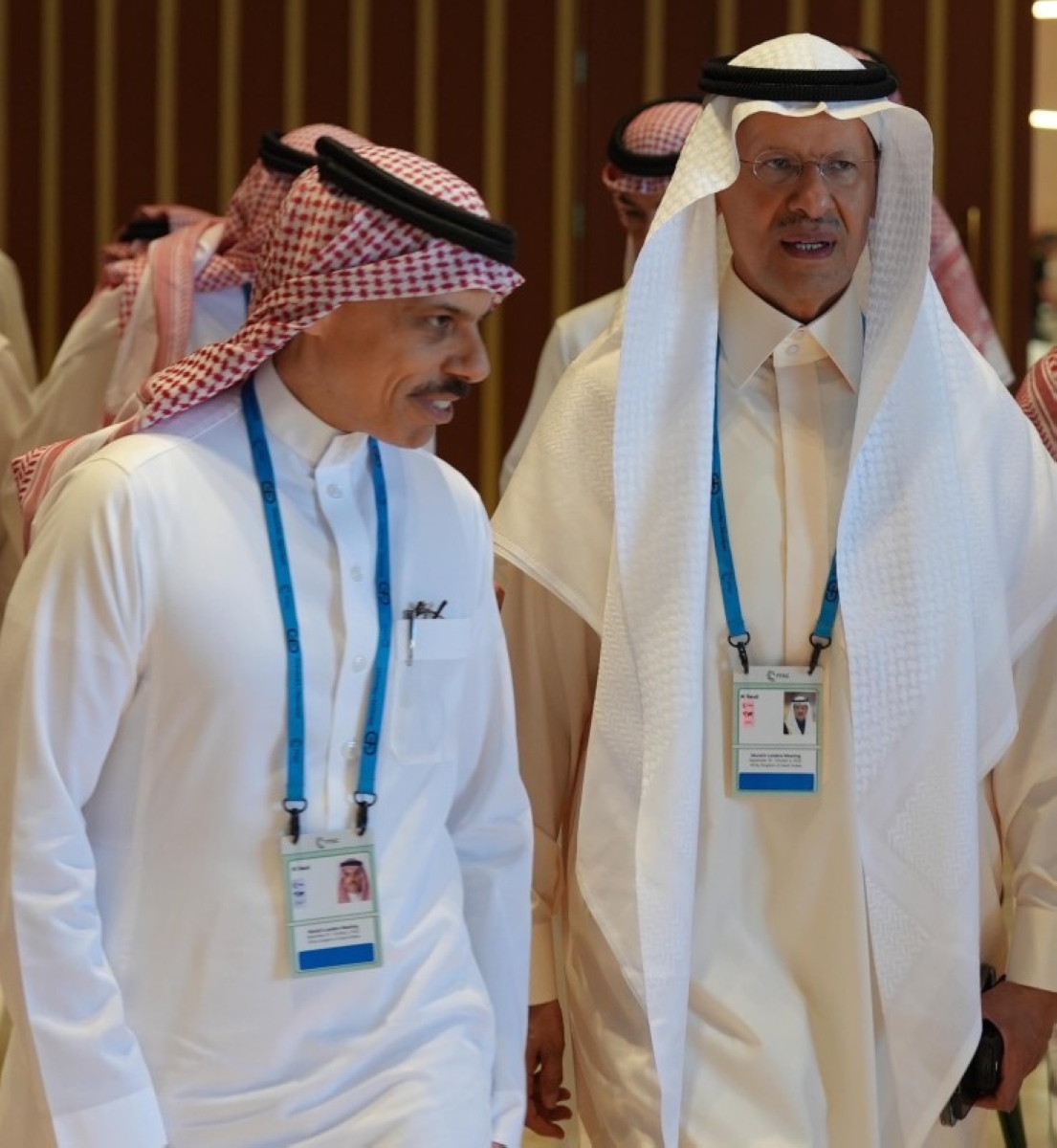
في عالم تتقاطع فيه الأزمات بين الجغرافيا السياسية وسلاسل الإمداد، ترسخ دبلوماسية الطاقة السعودية كإحدى الركائز الأكثر تأثيرًا في صياغة معادلات الأمن الدولي، ومن العُلا، خلال اجتماع قادة مؤتمر ميونخ للأمن، قدّم وزير الطاقة الأمير عبدالعزيز بن سلمان درسًا في أن الطاقة أداة إستراتيجية تُستخدم لضبط التوازنات، وإعادة تعريف التحالفات، وصياغة النظام العالمي القادم.
إدارة سوق النفط:
السعودية عبر وزارة الطاقة لم تعد لاعبًا يوازن العرض والطلب في السوق النفطية فحسب، بل تحولت إلى قوة دبلوماسية تستخدم أدواتها الطاقية لصناعة الاستقرار العالمي، الأمير عبدالعزيز بن سلمان يجسّد هذا التحول: فهو لا يتحدث بلغة الأسعار فقط، بل يربط أمن الطاقة بالأمن السياسي، ويضع احتياجات التنمية في قلب النقاشات الدولية.
الطاقة كرافعة دبلوماسية:
ما عرضه الوزير في العُلا يتجاوز الطرح الفني حول الإمدادات، حديثه عن شبكات الكهرباء، المعادن النادرة، والتحديات السيبرانية، يعبّر عن رؤية سعودية ترى أن الطاقة اليوم معادل إستراتيجي للأمن الدولي، فالمملكة تسعى لتكون الجسر بين المنتجين والمستهلكين، وبين التقليدي والمتجدد، وبين الأسواق المتقلبة والاستقرار طويل الأمد.
مفهوم الشمولية:
جوهر دبلوماسية الطاقة السعودية هو "الشمولية": النفط والغاز لا يغيبان، لكنهما يقفان إلى جانب الطاقة المتجددة، النووية، والهيدروجين، هذه المنظومة المتكاملة تشكل "حزمة نفوذ" تمنح الرياض قدرة تفاوضية أعلى، وتجعلها مرجعًا أساسيًا لأي حوار عالمي حول الطاقة والمناخ والتنمية.
رسائل الوزير:
الدروس التي برزت من الرؤية السعودية في مؤتمر ميونخ للأمن جاءت على لسان وزير الطاقة الأمير عبدالعزيز بن سلمان بن عبدالعزيز آل سعود، الذي يُعدّ مهندس دبلوماسية الطاقة السعودية، فقد أوضح أن العالم لم يعد يحتمل المقاربات الأحادية لمفهوم الطاقة، وأن أي دولة، مهما بلغت إمكاناتها، عاجزة عن ضمان أمنها الطاقي منفردة في ظل تشابك الأسواق واعتمادها المتبادل.
ومن هذا المنطلق، شدد الوزير على أن التعاون الدولي، والابتكار، وتوزيع الأدوار بين المصادر التقليدية والمتجددة، هي المفاتيح التي ترى المملكة أنها السبيل إلى توازن حقيقي واستقرار طويل الأمد.
الأمير عبدالعزيز بن سلمان مهندس دبلوماسية طاقة سعودية يتعامل مع البرميل والكيلوواط والهيدروجين بوصفها أدوات للنفوذ الدولي، ومن العُلا، قدّم للعالم تصورًا يربط الطاقة بالسياسة، الأمن بالتنمية، والمستقبل بالاستدامة هي صياغة لرؤية عالمية تجعل من السعودية ركيزة لا يمكن تجاوزها في معادلة الأمن الدولي الجديد.
In a world where crises intersect between geopolitical issues and supply chains, Saudi energy diplomacy is establishing itself as one of the most influential pillars in shaping the equations of international security. From Al-Ula, during the Munich Security Conference, Minister of Energy Prince Abdulaziz bin Salman presented a lesson that energy is a strategic tool used to adjust balances, redefine alliances, and shape the upcoming global order.
Managing the Oil Market:
Saudi Arabia, through the Ministry of Energy, has transformed from merely balancing supply and demand in the oil market to becoming a diplomatic force that uses its energy tools to create global stability. Prince Abdulaziz bin Salman embodies this transformation: he speaks not only in terms of prices but also connects energy security with political security, placing development needs at the heart of international discussions.
Energy as a Diplomatic Lever:
What the minister presented in Al-Ula goes beyond the technical discourse on supplies. His discussion about electricity networks, rare minerals, and cyber challenges reflects a Saudi vision that sees energy today as a strategic equivalent to international security. The Kingdom seeks to be the bridge between producers and consumers, between traditional and renewable sources, and between volatile markets and long-term stability.
The Concept of Inclusivity:
The essence of Saudi energy diplomacy is "inclusivity": oil and gas are not absent but stand alongside renewable energy, nuclear power, and hydrogen. This integrated system forms a "package of influence" that grants Riyadh higher negotiating power and makes it a key reference for any global dialogue on energy, climate, and development.
The Minister's Messages:
The lessons that emerged from the Saudi vision at the Munich Security Conference were articulated by Minister of Energy Prince Abdulaziz bin Salman bin Abdulaziz Al Saud, who is considered the architect of Saudi energy diplomacy. He clarified that the world can no longer afford unilateral approaches to the concept of energy, and that no country, regardless of its capabilities, can ensure its energy security alone in light of intertwined markets and mutual dependence.
From this standpoint, the minister emphasized that international cooperation, innovation, and the distribution of roles between traditional and renewable sources are the keys that the Kingdom sees as the path to true balance and long-term stability.
Prince Abdulaziz bin Salman, the architect of Saudi energy diplomacy, treats barrels, kilowatts, and hydrogen as tools of international influence. From Al-Ula, he presented to the world a vision that connects energy with politics, security with development, and the future with sustainability—an articulation of a global vision that positions Saudi Arabia as an indispensable pillar in the equation of the new international security.