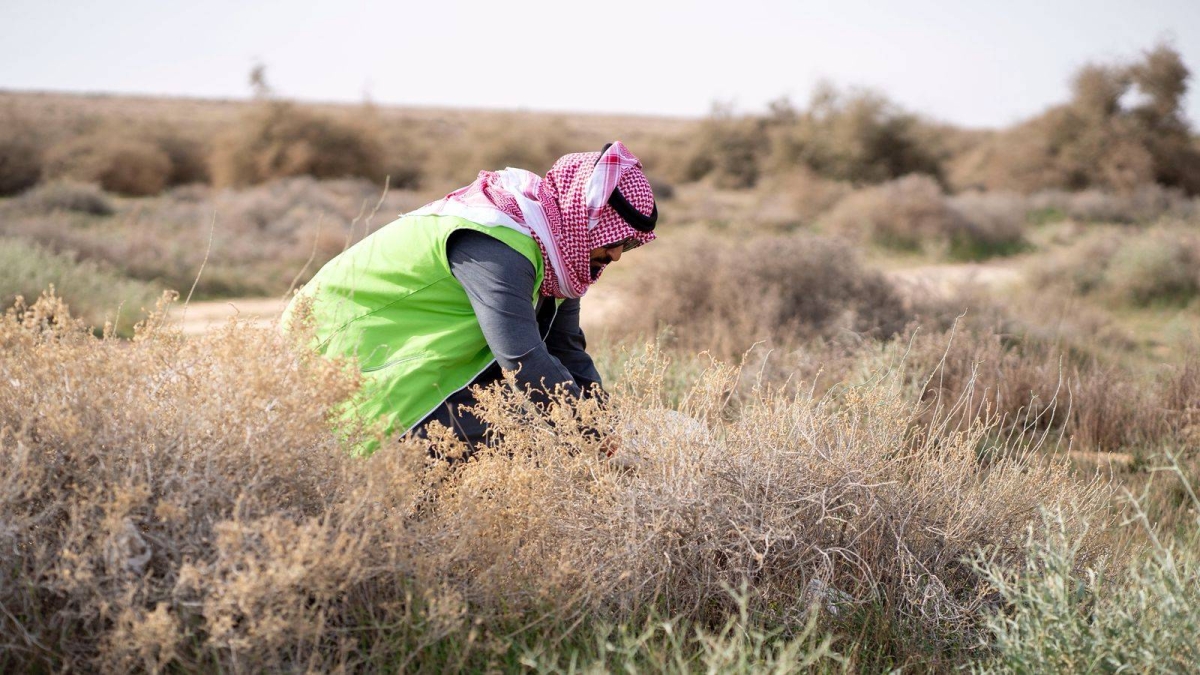
في خطوة مهمة لحماية مستقبل البيئة في المملكة، تم حصر أكثر من 550 موقعاً للأشجار المعمّرة في مختلف المناطق، ضمن جهود تستهدف صون هذه الثروة الطبيعية، التي تمثل رمزاً للصمود والهوية البيئية والثقافية، ودعامة أساسية في مواجهة التغير المناخي والتصحر.
الخبراء يحذرون
ويحذر خبراء من أن التراخي في حماية هذه الأشجار، سيضاعف من خسائر التربة والمياه ويزيد تكاليف مكافحة التصحر بمليارات الريالات، مشيرين إلى أن كل هكتار من الأراضي المستصلحة، يمكن أن يعزل ما بين 2 – 4 أطنان من الكربون سنوياً، ويرفع الغطاء النباتي بنسبة تصل إلى 30% خلال العقد القادم.
وفي سياق متصل، أُطلقت مبادرة لإعادة تأهيل الغطاء النباتي في 33 موقعاً، تشمل معظم مناطق المملكة، بالتعاون مع برنامج استمطار السحب، عبر نثر 80 طناً من بذور النباتات الرعوية المحلية المختارة علمياً، لتعزيز التنوع الأحيائي وتحسين المراعي والحد من زحف الرمال.
ويرى خبراء أن هذه الجهود تمثل استثماراً إستراتيجياً طويل الأمد، في الأمن البيئي والغذائي والاقتصادي، وأن الاستمرار فيها وتوسيع نطاقها أصبح ضرورة وطنية، لضمان مستقبل المملكة واستدامة مواردها الطبيعية.
In an important step to protect the future of the environment in the Kingdom, more than 550 locations of ancient trees have been identified in various regions, as part of efforts aimed at preserving this natural wealth, which represents a symbol of resilience and environmental and cultural identity, and a fundamental pillar in the face of climate change and desertification.
Experts Warn
Experts warn that laxity in protecting these trees will double the losses of soil and water and increase the costs of combating desertification by billions of riyals, noting that each hectare of reclaimed land can sequester between 2 to 4 tons of carbon annually, and increase vegetation cover by up to 30% over the next decade.
In a related context, an initiative has been launched to rehabilitate vegetation cover in 33 locations, covering most areas of the Kingdom, in collaboration with the cloud seeding program, by dispersing 80 tons of scientifically selected local forage plant seeds, to enhance biodiversity, improve pastures, and reduce sand encroachment.
Experts believe that these efforts represent a long-term strategic investment in environmental, food, and economic security, and that continuing and expanding them has become a national necessity to ensure the Kingdom's future and the sustainability of its natural resources.