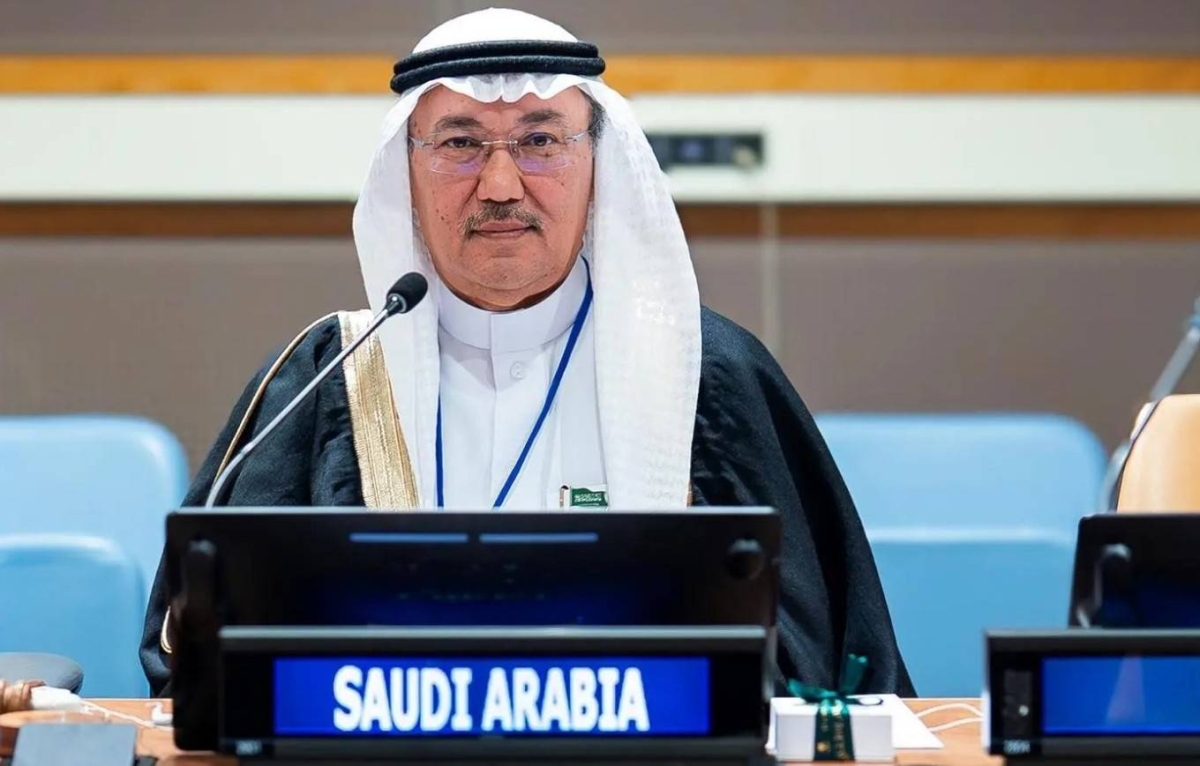
أكد نائب رئيس الهيئة السعودية للبيانات والذكاء الاصطناعي (سدايا) المهندس سامي بن عبدالله مقيم أن الذكاء الاصطناعي يحظى باهتمام القيادة وتمخض عن ذلك إنشاء الهيئة السعودية للبيانات والذكاء الاصطناعي (سدايا) لتكون المرجع الوطني لكل ما يتعلق بهذا المجال من تطوير وتنظيم وتعامل، وسخّرت «سدايا» إمكاناتها كافة وعززتها بالبحث والتطوير والابتكار لتواصل بلادنا تقدمها في تقنيات البيانات والذكاء الاصطناعي وبناء القدرات البشرية فيها مدفوعة برؤية 2030.
وقال المهندس سامي مقيم عقب مشاركته في جلسات أعمال الجمعية العامة للأمم المتحدة في دورتها الثمانين (UNGA 80) بمدينة نيويورك: «تشهد المملكة تطورا ملحوظا في تقنيات البيانات والذكاء الاصطناعي بالاتساق مع تطلعات ولي العهد رئيس مجلس الوزراء رئيس مجلس إدارة الهيئة السعودية للبيانات والذكاء الاصطناعي الأمير محمد بن سلمان للارتقاء بالمملكة ضمن أفضل الاقتصادات العالمية القائمة على البيانات والذكاء الاصطناعي ولتكون كذلك مركزا عالميا للذكاء الاصطناعي».
وأضاف المهندس سامي مقيم أن المملكة ممثلة في «سدايا» هي شريك أساسي في صنع القرار العالمي وتعزيز التعاون الدولي في مجال البيانات والذكاء الاصطناعي، لذلك عززنا ذلك بتنظيمنا ومشاركتنا في فعاليات وجلسات دولية في الأمم المتحدة لنرسخ هذه المكانة وندعم دول العالم في تعميم الفائدة من هذه التقنيات، ومواجهة التحديات التي تحول دون الاستفادة منها، ورفع مستوى الوعي تجاه التعامل معها، بما يتماشى مع مستهدفات رؤية السعودية 2030 التي تدعم جهود المملكة الدولية الرامية إلى تحقيق أهداف رؤية التنمية المستدامة للأمم المتحدة 2030.
ولفت مقيم النظر إلى أن المملكة أولت محليا اهتمامها بتطوير رأس المال البشري في مجال البيانات والذكاء الاصطناعي من خلال برامج ومعسكرات أعدتها «سدايا» بهدف تدريب وتطوير الكوادر الوطنية في هذا المجال داخل المملكة وخارجها ومن ذلك مبادرة مليون سعودي (سماي) لتدريب مليون مواطن ومواطنة على الذكاء الاصطناعي للمساهمة في دعم التحول الرقمي لمجتمع المعرفة، وتعزيز مكانتها بوصفها نموذجا عالميا رائدا في بناء اقتصادات المعرفة لخدمة الأجيال الحاضرة والقادمة.
وبين المهندس سامي مقيم أن المملكة اهتمت بتبني الاستخدام المسؤول والأخلاقي للذكاء الاصطناعي ومن جهودها العمل على تبني إنشاء المركز الدولي لأبحاث وأخلاقيات الذكاء الاصطناعي (ICAIRE) برعاية منظمة اليونسكو ومقره مدينة الرياض حيث يُعد واحدا من الجهود الدولية التي بذلتها المملكة لإقرار أخلاقيات هذه التقنيات المتقدمة وتحقيق الاستفادة المثلى منها على المستوى العالمي، بما يكفل المحافظة على حقوق الإنسان خلال استخدام هذه التقنيات، ما يؤكد التزام المملكة بتبني سياسات وأدوات الذكاء الاصطناعي الأخلاقي والمسؤول مع الشراكات والمنظمات الدولية.
The Deputy President of the Saudi Data and Artificial Intelligence Authority (SDAIA), Engineer Sami bin Abdullah Muqeem, confirmed that artificial intelligence is receiving significant attention from the leadership, resulting in the establishment of the Saudi Data and Artificial Intelligence Authority (SDAIA) to serve as the national reference for everything related to this field, including development, regulation, and interaction. SDAIA has harnessed all its capabilities and enhanced them with research, development, and innovation to continue our country's advancement in data and artificial intelligence technologies and to build human capacities, driven by Vision 2030.
Engineer Sami Muqeem stated after participating in the sessions of the 80th United Nations General Assembly (UNGA 80) in New York City: "The Kingdom is witnessing notable progress in data and artificial intelligence technologies in line with the aspirations of the Crown Prince, Prime Minister, and Chairman of the Saudi Data and Artificial Intelligence Authority, Prince Mohammed bin Salman, to elevate the Kingdom among the best global economies based on data and artificial intelligence and to also be a global hub for artificial intelligence."
Engineer Sami Muqeem added that the Kingdom, represented by SDAIA, is a key partner in global decision-making and enhancing international cooperation in the field of data and artificial intelligence. Therefore, we have strengthened this by organizing and participating in international events and sessions at the United Nations to solidify this position and support countries around the world in maximizing the benefits of these technologies, addressing the challenges that hinder their utilization, and raising awareness about their use, in line with the objectives of Saudi Vision 2030, which supports the Kingdom's international efforts aimed at achieving the United Nations 2030 Sustainable Development Goals.
Muqeem pointed out that the Kingdom has locally focused on developing human capital in the field of data and artificial intelligence through programs and camps prepared by SDAIA aimed at training and developing national cadres in this field both inside and outside the Kingdom, including the Million Saudis Initiative (SMAI) to train one million citizens in artificial intelligence to contribute to supporting the digital transformation of the knowledge society and enhancing its position as a leading global model in building knowledge economies to serve present and future generations.
Engineer Sami Muqeem explained that the Kingdom has prioritized the adoption of responsible and ethical use of artificial intelligence, and among its efforts is the establishment of the International Center for Artificial Intelligence Research and Ethics (ICAIRE) under the auspices of UNESCO, headquartered in Riyadh. This center is one of the international efforts made by the Kingdom to establish the ethics of these advanced technologies and to achieve optimal benefits from them at the global level, ensuring the preservation of human rights during the use of these technologies, which confirms the Kingdom's commitment to adopting ethical and responsible artificial intelligence policies and tools in collaboration with international partnerships and organizations.