


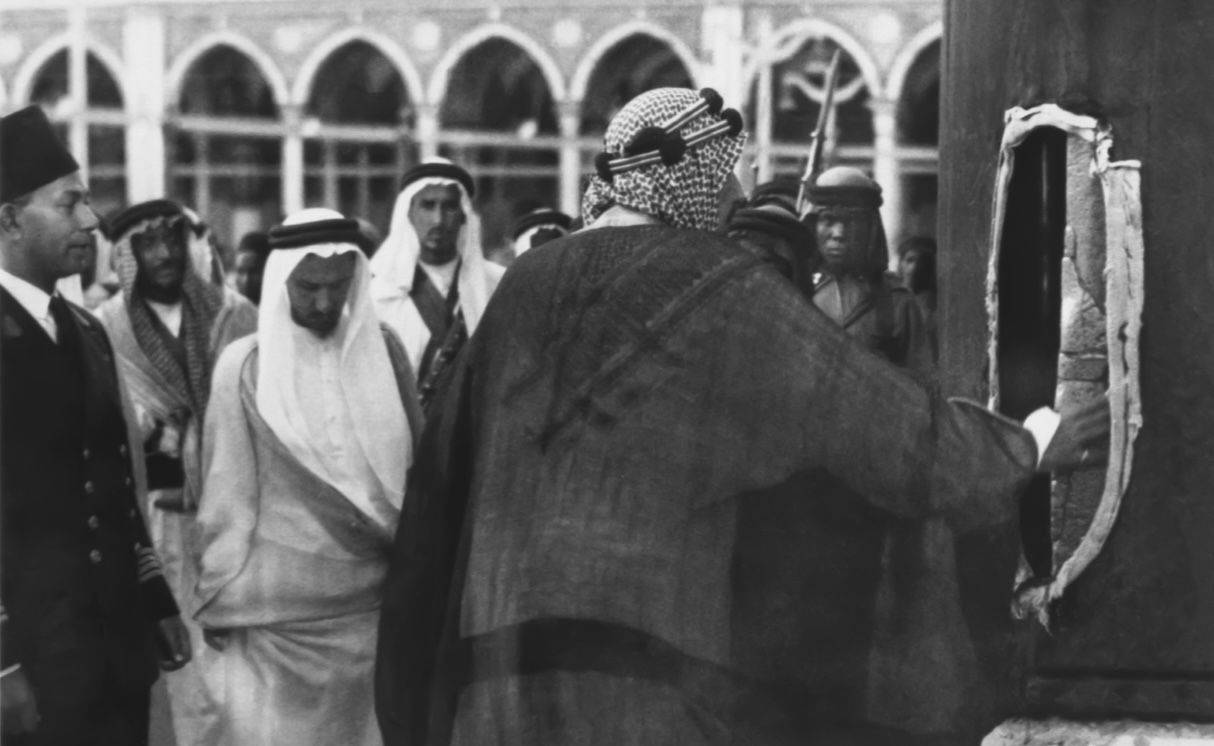
كشفت دارة الملك عبدالعزيز لـ«عكاظ»، حادثة تاريخية تجسّد مكانة الموحّد وحرصه على خدمة الحرمين الشريفين وصيانة شعائر الله، حين أعاد بيده الكريمة قطعة مسروقة من الحجر الأسود إلى مكانها في الركن الشرقي من الكعبة المشرفة، في يوم الأربعاء 28 ربيع الأول 1351هـ/ 31 أغسطس 1932م.
تثبيت الحجر
أوضحت الدارة أن الملك عبدالعزيز بدأ يومه التاريخي بالطواف حول الكعبة المشرفة، وأدّى الصلاة خلف مقام إبراهيم، قبل أن يتقدّم بنفسه لتثبيت قطعة الحجر الأسود في مكانها. وقد شارك الطائفون، ومن بينهم نساء وعجائز، في حمل القطعة وتثبيتها؛ تعظيماً لشأنها وضماناً لمكانها الصحيح.
رسالة دينية ووطنية
وأكدت الدارة أن هذا الموقف يعكس رؤية الموحّد العميقة في الجمع بين الدين والوطن، إذ جعل من خدمة الحرمين الشريفين رسالة سامية وركيزة أساسية لنهضة المملكة. ولم يكن الأمر واجباً دينياً فحسب، بل مسؤولية وطنية وأخلاقية تعكس القيم الراسخة التي قامت عليها الدولة السعودية.
حماية المقدسات
وختمت الدارة تصريحها بالتشديد على أن ما قام به الملك عبدالعزيز يومها يظل شاهداً خالداً على التزامه العميق بحماية المقدسات الإسلامية، وتجسيداً لمكانة المملكة التي أرادها أن تكون قلب العالم الإسلامي، وحاضنة الحرمين الشريفين، وحامية شعائر الله.
«الموحّد» أعاد بيده الحجر الأسود
23 سبتمبر 2025 - 02:58
|
آخر تحديث 23 سبتمبر 2025 - 02:58
ي


تابع قناة عكاظ على الواتساب
متعب العواد (حائل) Motabalawwd@
The King Abdulaziz Foundation revealed to "Okaz" a historical incident that embodies the position of the unifier and his commitment to serving the Two Holy Mosques and preserving the rituals of God, when he personally returned a stolen piece of the Black Stone to its place in the eastern corner of the Kaaba on Wednesday, 28th of Rabi' al-Awwal 1351 AH / 31st of August 1932 AD.
Fixing the Stone
The foundation explained that King Abdulaziz began his historic day by performing Tawaf around the Kaaba and prayed behind the Station of Ibrahim, before personally proceeding to fix the piece of the Black Stone in its place. The pilgrims, including women and elderly people, participated in carrying and securing the piece; honoring its significance and ensuring its correct placement.
A Religious and National Message
The foundation emphasized that this stance reflects the deep vision of the unifier in combining religion and homeland, as he made serving the Two Holy Mosques a noble message and a fundamental pillar for the renaissance of the Kingdom. It was not merely a religious duty, but a national and moral responsibility that reflects the deep-rooted values upon which the Saudi state was established.
Protecting the Sacred Places
The foundation concluded its statement by stressing that what King Abdulaziz did that day remains an eternal testament to his deep commitment to protecting Islamic sanctities, and a manifestation of the position he wanted the Kingdom to hold as the heart of the Islamic world, the sanctuary of the Two Holy Mosques, and the protector of God's rituals.
Fixing the Stone
The foundation explained that King Abdulaziz began his historic day by performing Tawaf around the Kaaba and prayed behind the Station of Ibrahim, before personally proceeding to fix the piece of the Black Stone in its place. The pilgrims, including women and elderly people, participated in carrying and securing the piece; honoring its significance and ensuring its correct placement.
A Religious and National Message
The foundation emphasized that this stance reflects the deep vision of the unifier in combining religion and homeland, as he made serving the Two Holy Mosques a noble message and a fundamental pillar for the renaissance of the Kingdom. It was not merely a religious duty, but a national and moral responsibility that reflects the deep-rooted values upon which the Saudi state was established.
Protecting the Sacred Places
The foundation concluded its statement by stressing that what King Abdulaziz did that day remains an eternal testament to his deep commitment to protecting Islamic sanctities, and a manifestation of the position he wanted the Kingdom to hold as the heart of the Islamic world, the sanctuary of the Two Holy Mosques, and the protector of God's rituals.


