


حدد النظام الجديد المتعلق بنزع ملكية العقارات للمصلحة العامة ووضع اليد المؤقت عليها، كيفية تعويض الأفراد الذين تأثرت ممتلكاتهم العقارية بإجراءات النزع أو وضع اليد المؤقت. وتسري الأحكام الواردة في النظام على حالات نزع ملكية العقارات ووضع اليد المؤقت على العقارات، التي صدرت في شأنها قرارات بالموافقة على البدء في الإجراءات قبل تاريخ نفاذ النظام، ولا تسري أحكام النظام على العقارات المملوكة للدولة أو لأحد أجهزتها ولا تُتخذ إجراءات نزع ملكية العقار أو وضع اليد المؤقت عليه إلا في حال عدم وجود عقارات للدولة تفي بالغرض.
وكشف النظام أنه يُستحق تعويض لصاحب العقار الذي تم نزعه للمصلحة العامة وفقاً لعدة شروط؛ أبرزها الاستناد إلى القيمة السوقية الحالية للعقار، وسيُضاف تعويض بنسبة 20% على هذه القيمة كعوض عن النزع. كما يتم تعويض الأضرار الناتجة عن إجراءات النزع نفسها، وبالنسبة لصاحب العقار الذي وُضعت اليد المؤقتة عليه، يحق له أيضاً تعويض مالي يجب ألا يقل عن أجرة المثل للعقار المتأثر بنسبة 20% من أجرة المثل عن وضع اليد المؤقت، إضافة إلى تعويض عن الأضرار الناتجة عن هذا الإجراء.
وأوضح النظام الحالات التي يتم فيها نزع الملكية ووضع اليد المؤقت عليها، منها نزع ملكية العقارات للمنفعة العامة ووضع اليد المؤقت عليها لمشاريع تطوير مرافق الحرمين الشريفين ولوازم الحج والعمرة، وهي تتطلب تحسينات مستمرة لاستيعاب الأعداد المتزايدة من الحجاج والمعتمرين، وتشمل المشاريع التي تؤدي إلى نزع الملكية مشروعات الطرق والنقل بجميع أشكالها، سواء البرية أو البحرية أو الجوية. وتأتي هذه الخطوات في سياق تحسين وسائل المواصلات العامة وتعزيز السلامة والفاعلية في الخدمات اللوجستية. إضافة إلى ذلك، يتم التركيز على التخطيط والتطوير العمراني، وتشييد المباني ذات الطابع الاجتماعي مثل المساجد، والحدائق، والمراكز التعليمية والصحية. ولا تقتصر توجهات التطوير على المشاريع المدنية فقط، بل تمتد أيضاً إلى مشاريع في قطاع الطاقة، مثل شبكات الكهرباء والمياه وأنظمة الصرف الصحي. ويسهم ذلك في تعزيز الاكتفاء الذاتي ودعم الاقتصاد الوطني. ووفق النظام، يجري العمل على الحفاظ على المحميات البيئية وحماية التراث الحضاري والتاريخي في إطار الحفاظ على الهوية الوطنية. إضافةً إلى مشروعات الأمن الداخلي وإقامة المنشآت العسكرية لضمان الأمان والاستقرار. وتشمل أي نشاطات أخرى قد تُدرج ضمن المصالح العامة بقرار مباشر من مجلس الوزراء.
آليات التعويض النقدي والعيني
عن آلية التعويض النقدي أو العيني، أوضح النظام أنه يكون التعويض عن العقارات المقرر نزع ملكيتها نقداً، ويجوز أن يكون التعويض أو جزء منه عينياً إذا رضي مالك العقار المقرر نزع ملكيته بذلك، ويشمل ذلك التعويض بعقار بديل أو حصص مالية في المشروع الذي نُزعت ملكية العقار من أجله، ويُعفى من تنزع ملكية عقاره من ضريبة التصرفات العقارية المترتبة على شراء عقار بديل من العقار المنزوعة ملكيته، على أن يكون الإعفاء في حدود مبلغ الضريبة المفروض على عملية الشراء فيما لو كان بكامل مبلغ التعويض أو أقل، وأن يكون الإعفاء في حال تمت عملية شراء العقار البديل خلال مدة لا تتجاوز خمس سنوات من تاريخ استلام مبلغ التعويض. ويُعفى من تنزع ملكية عقاره من رسوم الأراضي البيضاء إذا كان التعويض بالنسبة له عبارة عن أرضٍ بديلة، على أن يكون الإعفاء لمدة يتفق وزير المالية ووزير البلديات والإسكان على تحديدها. ويشترط للتعويض بأرض منحة بديلة، على أن تكون في الموقع المنزوعة الملكية فيه، أو أي موقع آخر تتحقق فيه مزايا مماثلة لموقع الأرض المنزوعة ملكيتها، وأن تزيد القيمة السوقية لأرض المنحة البديلة بنسبة لا تقل عن 20% ولا تزيد على 40% عن القيمة السوقية للأرض المنزوعة ملكيتها. وبحسب النظام، فإنه إذا أُخلي العقار المقرر نزع ملكيته قبل استكمال إجراءات صرف التعويض فيستحق مالكو العقارات المقرر نزع ملكيتها أجرة المثل عن المدة التي بين الإخلاء واستكمال إجراءات التعويض، مضافاً إليها نسبة 10% من أجرة المثل؛ ما لم يكن تأخر تسلُّم التعويض بسببهم، وتحدد اللائحة الضوابط اللازمة لذلك.
إضافة 20 % للقيمة السوقية للعقار عند التعويض..
«عكاظ» تنشر تفاصيل وشروط تعويض العقارات المنزوعة للمصلحة العامة
21 سبتمبر 2025 - 00:41
|
آخر تحديث 21 سبتمبر 2025 - 00:41
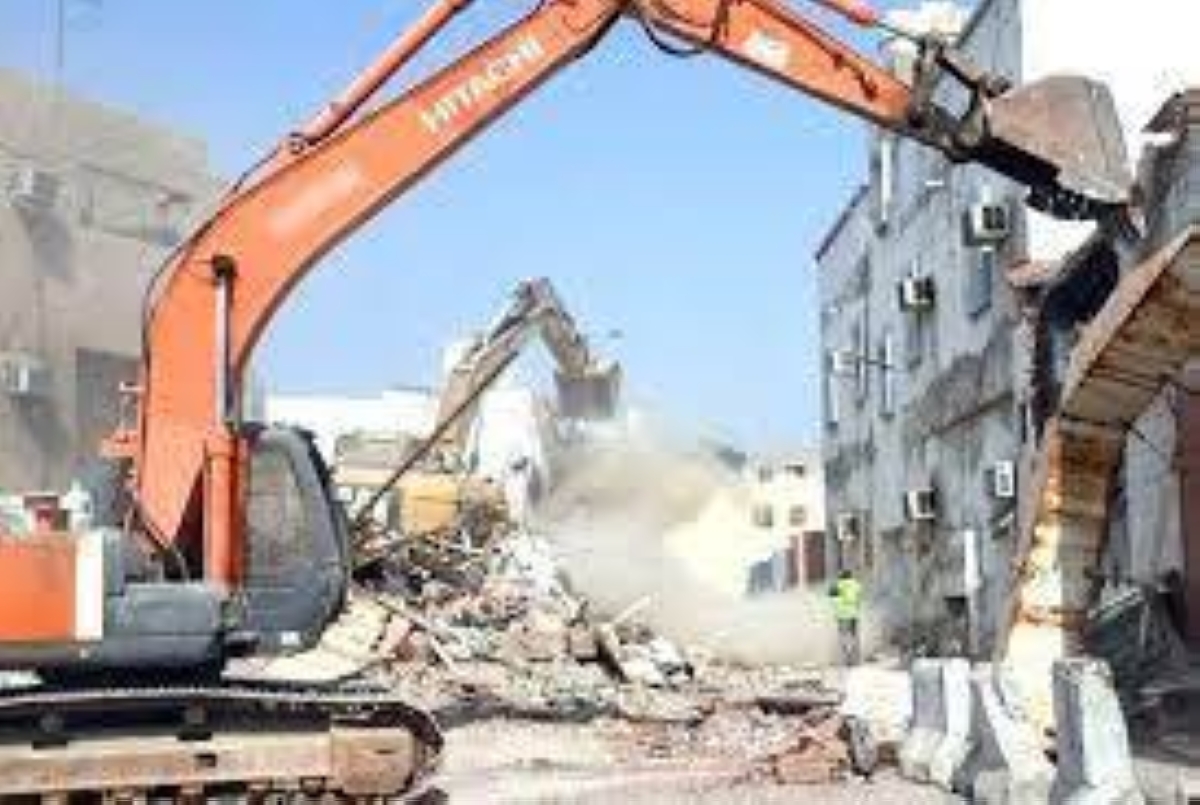
توازن بين التطوير والتعويض، فالنظام الجديد يراعي مصالح المواطنين ويعزز البنية التحتية.


تابع قناة عكاظ على الواتساب
إبراهيم العلوي (جدة) i_waleeed22 @
The new system related to the expropriation of properties for public benefit and temporary possession specifies how individuals whose real estate has been affected by expropriation or temporary possession procedures will be compensated. The provisions contained in the system apply to cases of expropriation of properties and temporary possession of properties for which decisions have been issued approving the commencement of procedures prior to the date of the system's enforcement. The provisions of the system do not apply to properties owned by the state or any of its agencies, and expropriation or temporary possession of a property shall only be undertaken if there are no state properties that fulfill the purpose.
The system revealed that compensation is due to the owner of the property that has been expropriated for public benefit according to several conditions; the most prominent of which is based on the current market value of the property, and a compensation of 20% will be added to this value as compensation for the expropriation. Damages resulting from the expropriation procedures themselves will also be compensated. As for the owner of the property on which temporary possession has been taken, he is also entitled to financial compensation that should not be less than the equivalent rent of the affected property, at a rate of 20% of the equivalent rent for the temporary possession, in addition to compensation for damages resulting from this procedure.
The system clarified the cases in which expropriation and temporary possession occur, including the expropriation of properties for public benefit and temporary possession for the development projects of the Two Holy Mosques and the necessities of Hajj and Umrah, which require continuous improvements to accommodate the increasing numbers of pilgrims and Umrah performers. The projects that lead to expropriation include road and transportation projects in all their forms, whether land, sea, or air. These steps come in the context of improving public transportation means and enhancing safety and efficiency in logistical services. In addition, there is a focus on urban planning and development, and the construction of socially-oriented buildings such as mosques, parks, and educational and health centers. The development directions are not limited to civil projects only, but also extend to projects in the energy sector, such as electricity and water networks and sewage systems. This contributes to enhancing self-sufficiency and supporting the national economy. According to the system, efforts are being made to preserve environmental reserves and protect cultural and historical heritage within the framework of maintaining national identity. Additionally, there are projects for internal security and the establishment of military facilities to ensure safety and stability. This includes any other activities that may be included under public interests by a direct decision from the Council of Ministers.
Cash and In-Kind Compensation Mechanisms
Regarding the mechanism for cash or in-kind compensation, the system clarified that compensation for properties designated for expropriation is to be made in cash, and compensation or part of it may be in kind if the owner of the property designated for expropriation agrees to this. This includes compensation with an alternative property or financial shares in the project for which the property was expropriated. The owner whose property has been expropriated is exempt from the real estate transaction tax resulting from the purchase of an alternative property from the expropriated property, provided that the exemption is within the limits of the tax amount imposed on the purchase transaction if it is for the full amount of compensation or less, and that the exemption applies if the alternative property is purchased within a period not exceeding five years from the date of receiving the compensation amount. The owner whose property has been expropriated is exempt from white land fees if the compensation for him is in the form of alternative land, provided that the exemption is for a period agreed upon by the Minister of Finance and the Minister of Municipal and Rural Affairs and Housing. For compensation with an alternative grant land, it is required that it be in the location from which the property was expropriated, or any other location that provides similar advantages to the location of the expropriated land, and that the market value of the alternative grant land exceeds the market value of the expropriated land by no less than 20% and no more than 40%. According to the system, if the property designated for expropriation is vacated before completing the compensation disbursement procedures, the owners of the properties designated for expropriation are entitled to the equivalent rent for the period between the eviction and the completion of the compensation procedures, plus 10% of the equivalent rent, unless the delay in receiving the compensation is due to them, and the regulations will specify the necessary controls for this.
The system revealed that compensation is due to the owner of the property that has been expropriated for public benefit according to several conditions; the most prominent of which is based on the current market value of the property, and a compensation of 20% will be added to this value as compensation for the expropriation. Damages resulting from the expropriation procedures themselves will also be compensated. As for the owner of the property on which temporary possession has been taken, he is also entitled to financial compensation that should not be less than the equivalent rent of the affected property, at a rate of 20% of the equivalent rent for the temporary possession, in addition to compensation for damages resulting from this procedure.
The system clarified the cases in which expropriation and temporary possession occur, including the expropriation of properties for public benefit and temporary possession for the development projects of the Two Holy Mosques and the necessities of Hajj and Umrah, which require continuous improvements to accommodate the increasing numbers of pilgrims and Umrah performers. The projects that lead to expropriation include road and transportation projects in all their forms, whether land, sea, or air. These steps come in the context of improving public transportation means and enhancing safety and efficiency in logistical services. In addition, there is a focus on urban planning and development, and the construction of socially-oriented buildings such as mosques, parks, and educational and health centers. The development directions are not limited to civil projects only, but also extend to projects in the energy sector, such as electricity and water networks and sewage systems. This contributes to enhancing self-sufficiency and supporting the national economy. According to the system, efforts are being made to preserve environmental reserves and protect cultural and historical heritage within the framework of maintaining national identity. Additionally, there are projects for internal security and the establishment of military facilities to ensure safety and stability. This includes any other activities that may be included under public interests by a direct decision from the Council of Ministers.
Cash and In-Kind Compensation Mechanisms
Regarding the mechanism for cash or in-kind compensation, the system clarified that compensation for properties designated for expropriation is to be made in cash, and compensation or part of it may be in kind if the owner of the property designated for expropriation agrees to this. This includes compensation with an alternative property or financial shares in the project for which the property was expropriated. The owner whose property has been expropriated is exempt from the real estate transaction tax resulting from the purchase of an alternative property from the expropriated property, provided that the exemption is within the limits of the tax amount imposed on the purchase transaction if it is for the full amount of compensation or less, and that the exemption applies if the alternative property is purchased within a period not exceeding five years from the date of receiving the compensation amount. The owner whose property has been expropriated is exempt from white land fees if the compensation for him is in the form of alternative land, provided that the exemption is for a period agreed upon by the Minister of Finance and the Minister of Municipal and Rural Affairs and Housing. For compensation with an alternative grant land, it is required that it be in the location from which the property was expropriated, or any other location that provides similar advantages to the location of the expropriated land, and that the market value of the alternative grant land exceeds the market value of the expropriated land by no less than 20% and no more than 40%. According to the system, if the property designated for expropriation is vacated before completing the compensation disbursement procedures, the owners of the properties designated for expropriation are entitled to the equivalent rent for the period between the eviction and the completion of the compensation procedures, plus 10% of the equivalent rent, unless the delay in receiving the compensation is due to them, and the regulations will specify the necessary controls for this.


